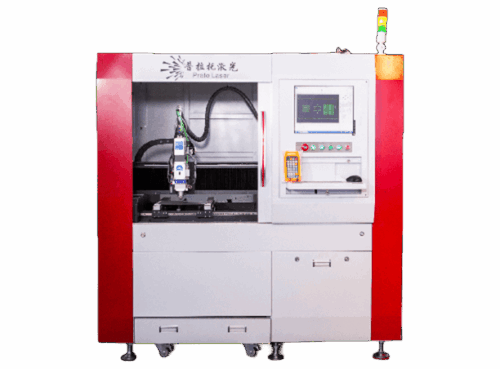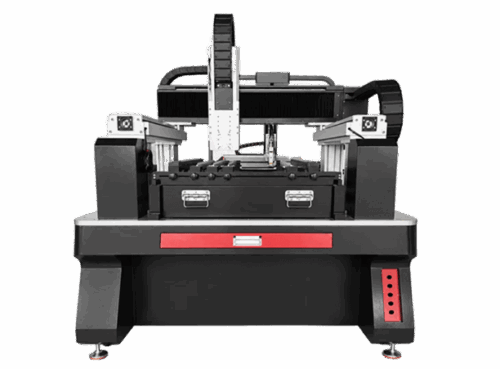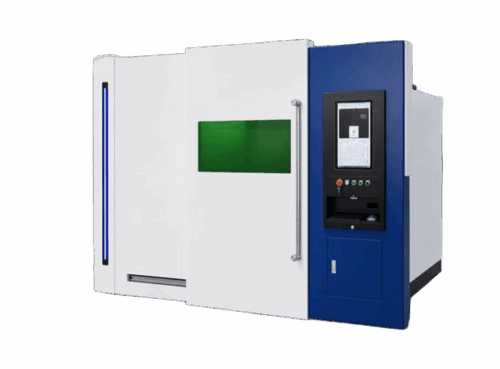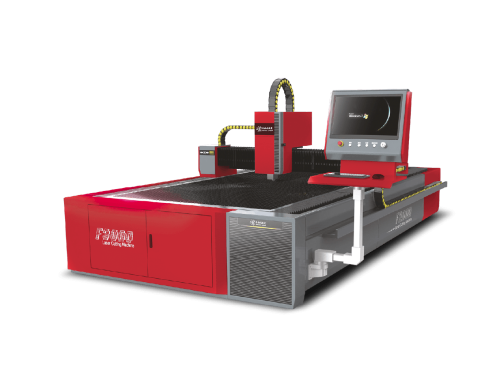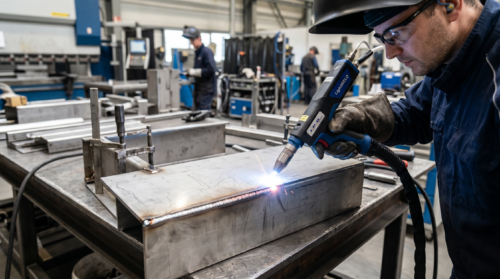


A tube cutting machine is often compared with a sheet laser cutter when metal fabrication companies choose equipment for flat sheet cutting, pipe cutting, or combined sheet and tube processing.
Although these machines all use laser technology to cut metal materials, they are designed for different workpieces, production processes, and application scenarios. Laser cutting uses a focused laser beam to melt or vaporize material along a programmed cutting path, which is widely used in modern metal fabrication. For more technical background, you can refer to the basic laser cutting process explained by TWI. A laser sheet cutting machine is mainly used for flat metal plates, while a laser tube cutting machine is designed for round tubes, square tubes, rectangular tubes, and various metal profiles.
Understanding the difference between these two types of laser cutting machines can help you choose the right equipment, improve production efficiency, and avoid unnecessary investment.
A laser sheet cutting machine is designed to cut flat metal sheets with high speed and high precision. It is commonly used for carbon steel, stainless steel, aluminum, galvanized steel, brass, and other metal plates.
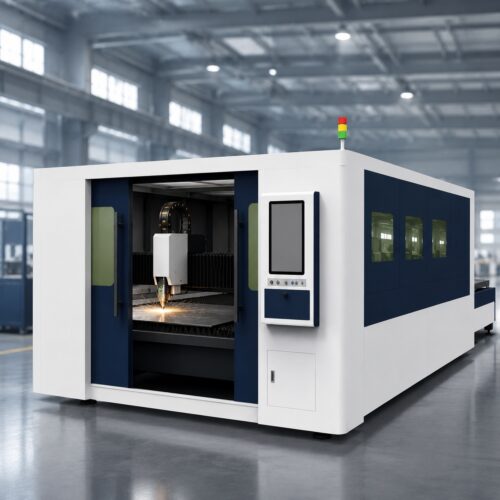
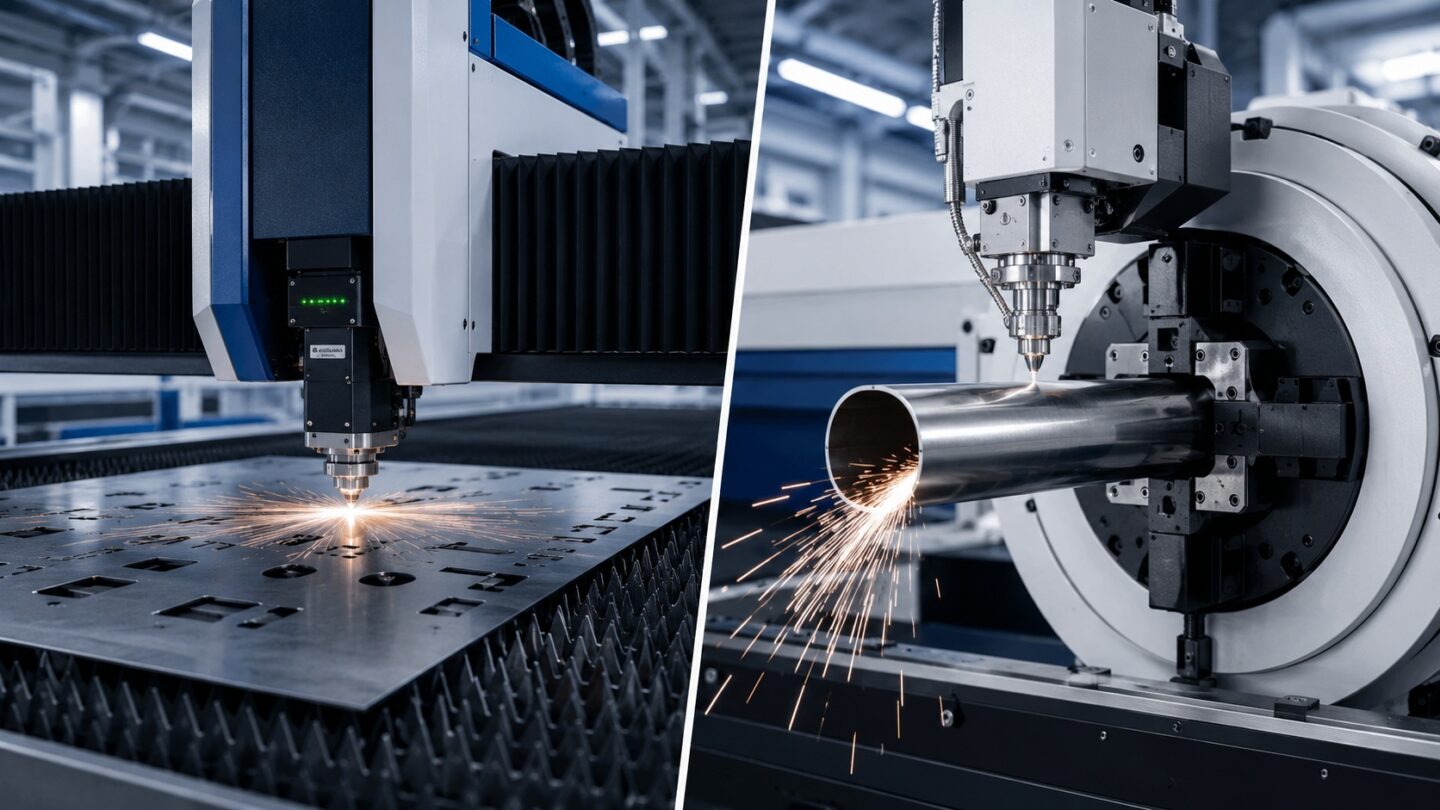
The machine usually includes a flat cutting bed, CNC control system, fiber laser source, cutting head, cooling system, and optional exchange table or automatic loading system. The metal sheet is placed on the cutting bed, and the laser head moves along the programmed cutting path to complete cutting, piercing, engraving, or contour processing.
Laser sheet cutting machines are widely used in sheet metal fabrication, machinery manufacturing, electrical cabinets, kitchen equipment, advertising signs, elevator production, automotive parts, and metal enclosures.
For companies that mainly process flat metal panels, covers, brackets, cabinets, plates, and structural parts, a laser sheet cutting machine is usually the most efficient choice.
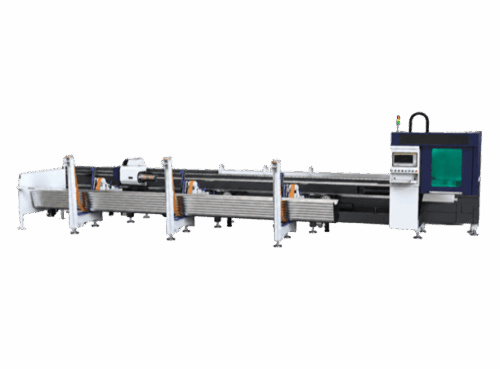
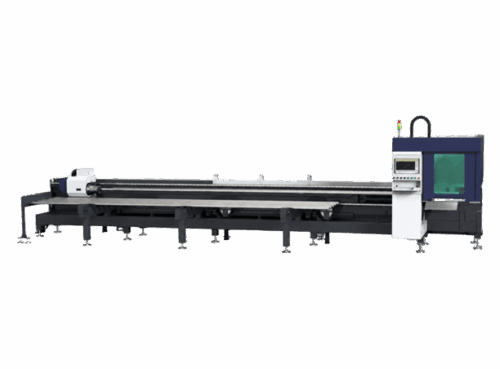
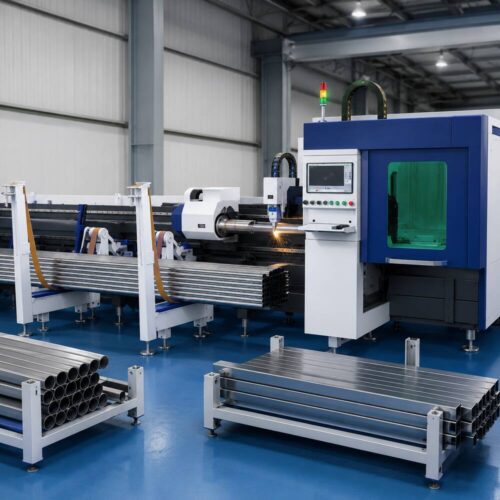
A laser tube cutting machine is specially designed for cutting metal tubes and profiles. It can process round pipes, square tubes, rectangular tubes, oval tubes, angle steel, channel steel, and other special-shaped profiles depending on the machine configuration.
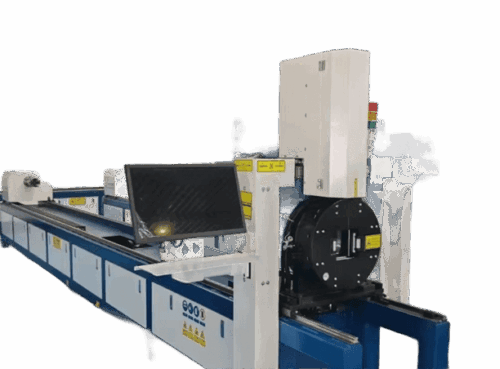
Unlike a flat sheet cutter, a tube laser cutting machine uses a chuck clamping system to hold and rotate the tube. The tube is fed through the machine while the laser cutting head cuts holes, slots, angles, grooves, and complex shapes on the tube surface.
A laser tube cutting machine can replace traditional sawing, drilling, punching, milling, and manual marking processes. This makes it especially useful for industries that require accurate tube cutting and high repeatability.
Common applications include metal furniture, fitness equipment, automotive components, agricultural machinery, guardrails, steel structures, shelves, scaffolding, and pipe processing.
If your main products are frames, pipe structures, metal supports, railings, or tube assemblies, a laser tube cutting machine is the more suitable solution.
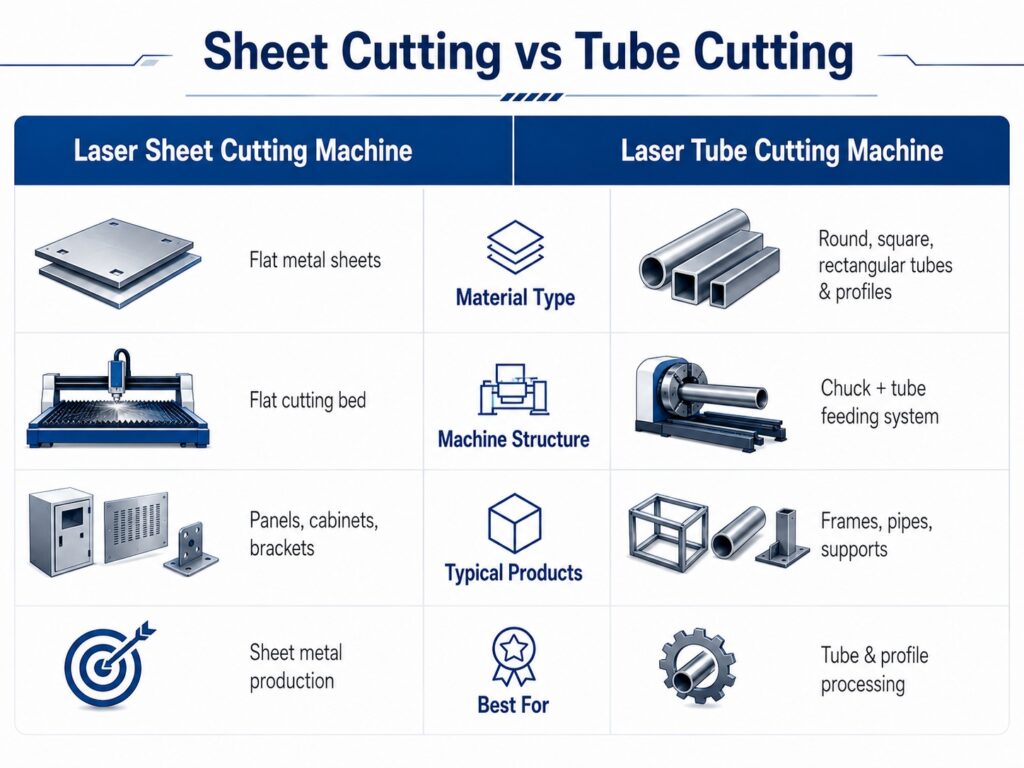
Although both machines use fiber laser cutting technology, their mechanical structure and processing methods are very different.
| Comparison Point | Laser Sheet Cutting Machine | Laser Tube Cutting Machine |
|---|---|---|
| Main Material | Flat metal sheets | Round, square, rectangular tubes and profiles |
| Machine Structure | Flat cutting bed | Chuck clamping and tube feeding system |
| Cutting Movement | X/Y axis flat cutting | Rotary and linear cutting |
| Typical Workpieces | Panels, plates, covers, brackets | Pipes, frames, supports, structural tubes |
| Automation Options | Exchange table, sheet loading system | Automatic tube loading, chuck system, tailing control |
| Best For | Sheet metal production | Tube and profile processing |
| Main Limitation | Not designed for rotating tubes | Not suitable for large flat sheet cutting |
The biggest difference is the shape of the workpiece. A sheet laser cutter is built for flat materials, while a tube laser cutter is built for long and hollow materials that need to rotate during cutting.
This difference directly affects machine design, clamping method, software functions, loading method, cutting path, and final production efficiency.
There is no single machine that is best for every factory. The right choice depends on your material type, production volume, product structure, and budget.
A laser sheet cutting machine is the right choice if most of your orders involve flat sheet metal parts. It is suitable for cutting outer contours, holes, slots, panels, decorative patterns, mounting plates, and other flat components.
You should choose a sheet metal laser cutter if your production focuses on:
For high-volume sheet metal production, a machine with an exchange table or automatic loading system can greatly improve efficiency. It allows operators to load and unload materials while the machine continues cutting, reducing waiting time between jobs.
A laser tube cutting machine is the better choice if your products are mainly made from tubes or profiles. It is especially useful when the tube needs holes, slots, angled cuts, or complex intersections.
You should choose a tube laser cutting machine if your production includes:
Compared with traditional pipe cutting methods, a tube laser cutter can complete multiple processes in one step. It reduces manual measurement, drilling, punching, and secondary processing. This helps improve accuracy and reduce labor costs.
Some companies need to process both metal sheets and tubes, but their production volume may not justify buying two separate machines. In this case, a sheet and tube laser cutting machine can be a flexible solution.
A sheet and tube laser cutting machine combines a flat cutting bed with a tube cutting system. It can cut metal sheets and also process round tubes, square tubes, and rectangular tubes.
This type of machine is suitable for small and medium-sized manufacturers with diverse orders. It helps save workshop space and reduce initial investment.
However, if your sheet cutting and tube cutting volumes are both very high, using one professional laser sheet cutting machine and one professional laser tube cutting machine may provide higher productivity.
When comparing a laser sheet cutting machine and a laser tube cutting machine, price is only one part of the decision. You should also consider production efficiency, labor savings, automation level, and long-term return on investment.
Laser sheet cutting machines usually offer many choices in power, working area, protection design, and loading system. Entry-level models can be used for basic sheet cutting, while high-power models are suitable for thick plate and high-speed production.
Laser tube cutting machines are more specialized. They need a chuck system, tube support system, feeding device, and tube cutting software. Because of this, their configuration is closely related to tube diameter, tube length, tube weight, and cutting accuracy requirements.
A laser sheet cutting machine is highly efficient for flat metal parts. It can nest many parts on one sheet to improve material utilization. It is ideal for batch production of sheet metal components.
A laser tube cutting machine improves efficiency in another way. It can reduce several traditional processes, such as sawing, drilling, punching, and manual marking. For tube processing factories, this can significantly shorten the production process.
For laser sheet cutting machines, common automation options include:
For laser tube cutting machines, common automation options include:
The more automated the machine is, the more suitable it becomes for continuous production and labor-saving operation.
In addition, industrial laser cutting equipment should always be operated with proper safety protection, training, and machine enclosure when required. Operators should follow recognized laser safety standards to reduce risks during daily production.
A sheet and tube laser cutting machine is often attractive for companies that want one machine to handle two types of materials. It is especially useful for factories that receive mixed orders, such as sheet metal parts and tube frame components.
The main advantages include lower initial investment compared with buying two machines, reduced workshop space, and flexible production capability.
However, it is important to understand that a combined machine is not always the best choice for every business. If your company only cuts sheets, a dedicated sheet laser cutter is simpler and more efficient. If your company only cuts tubes, a dedicated tube laser cutter provides stronger professional performance.
The best choice depends on your real production needs rather than the machine name.
Before purchasing a fiber laser cutting machine, you should clearly define your production requirements. The following questions can help you make the right decision:
If most of your workpieces are flat plates, choose a fiber laser sheet cutting machine.
If most of your workpieces are pipes or profiles, choose a fiber laser tube cutting machine.
If you process both sheets and tubes, consider a sheet and tube laser cutting machine.
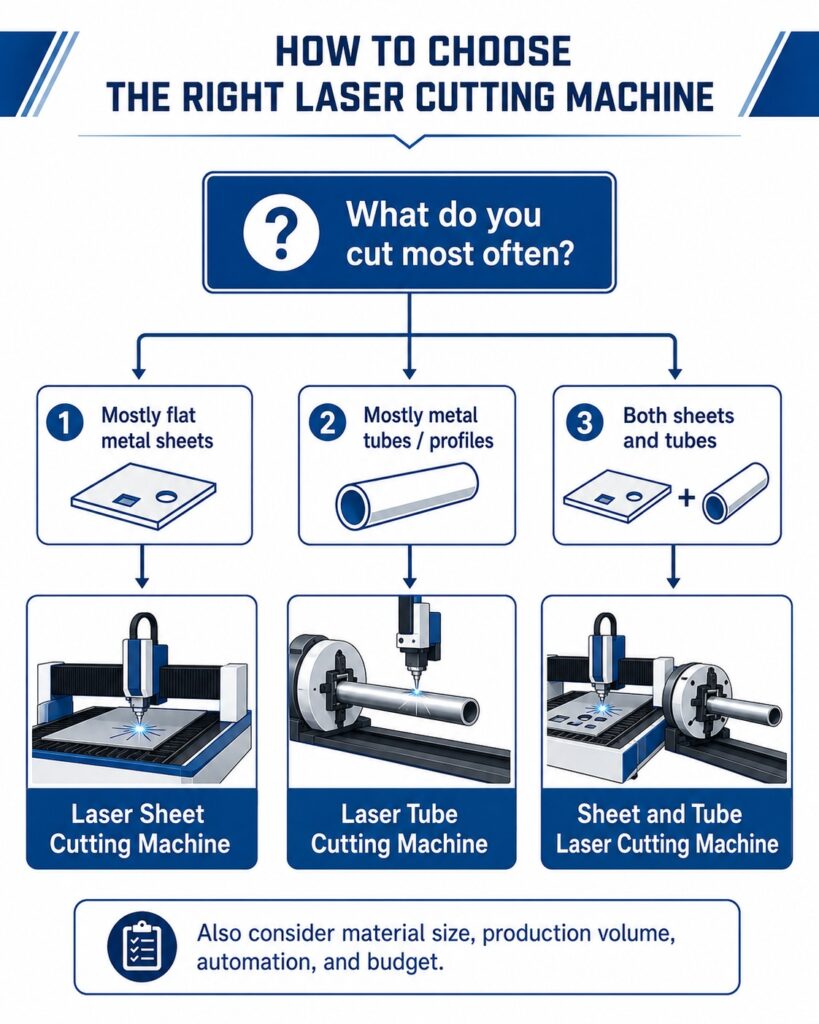
Prato Laser provides customized fiber laser cutting solutions for different metal processing needs. Whether you need a laser sheet cutting machine, laser tube cutting machine, or sheet and tube laser cutting machine, our team can recommend the right configuration according to your material type, cutting thickness, production volume, automation needs, and budget.
Our laser cutting machines are suitable for sheet metal fabrication, machinery manufacturing, automotive parts, furniture production, steel structures, fitness equipment, advertising signs, electrical cabinets, and many other industries.
If you are not sure which machine is right for your business, contact Prato Laser for a professional recommendation. We can help you compare machine models, cutting power, working size, automation options, and total investment cost.
Laser sheet cutting machines and laser tube cutting machines are both important tools in modern metal fabrication, but they are designed for different purposes.
A laser sheet cutting machine is best for flat metal plates, sheet metal parts, panels, and brackets. A laser tube cutting machine is best for round tubes, square tubes, rectangular tubes, and metal profiles. A sheet and tube laser cutting machine is a flexible option for companies that need to process both material types.
The right choice depends on your main products, material size, cutting thickness, production volume, automation requirements, and budget.
For a customized solution, contact Prato Laser and tell us your cutting requirements. Our team will help you choose the most suitable laser cutting machine for your production line.
A standard laser sheet cutting machine is not designed for tube cutting. It does not have a rotary chuck system or tube support structure, so it cannot hold and rotate tubes properly during cutting.
A professional laser tube cutting machine is mainly designed for pipes and profiles. It is not suitable for large flat sheet cutting because it does not have a flat cutting bed for sheet materials.
If you need to cut both metal sheets and tubes, a sheet and tube laser cutting machine can be a good choice. It is suitable for companies with mixed production needs and limited workshop space.
Laser tube cutting machines are widely used in metal furniture, fitness equipment, automotive parts, guardrails, agricultural machinery, shelves, scaffolding, and steel structure production.
Yes. Fiber laser technology is widely used for both sheet and tube metal cutting. The key is choosing the correct machine structure. Sheet cutting requires a flat bed, while tube cutting requires a chuck and feeding system.
Laser power depends on your material type, cutting thickness, speed requirements, and budget. Thicker materials usually require higher laser power. For accurate recommendations, it is best to provide your material, thickness range, and production requirements to the machine supplier.

English