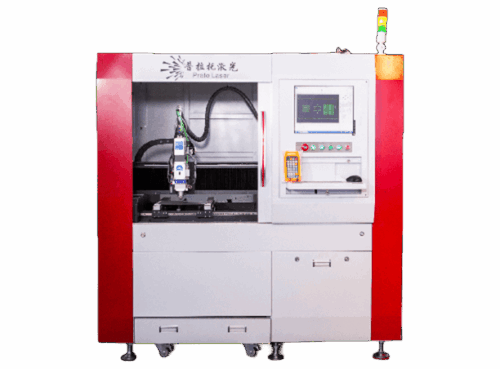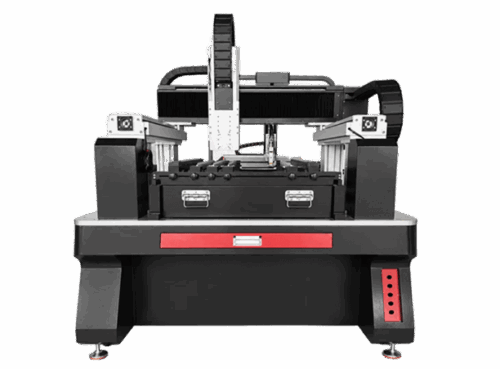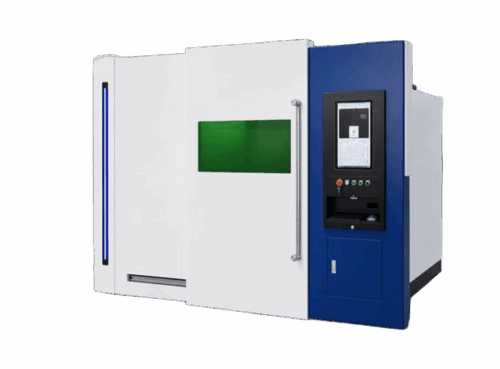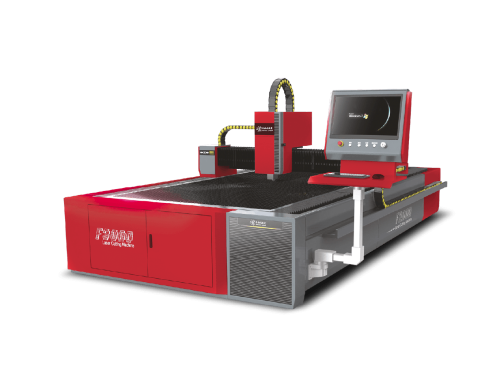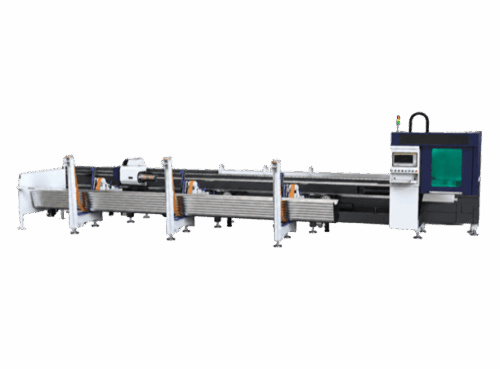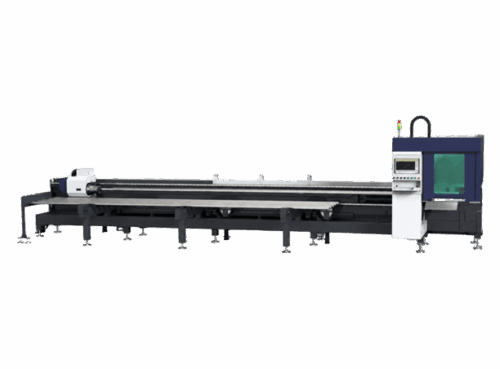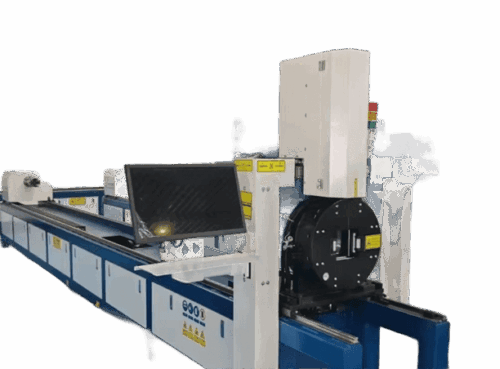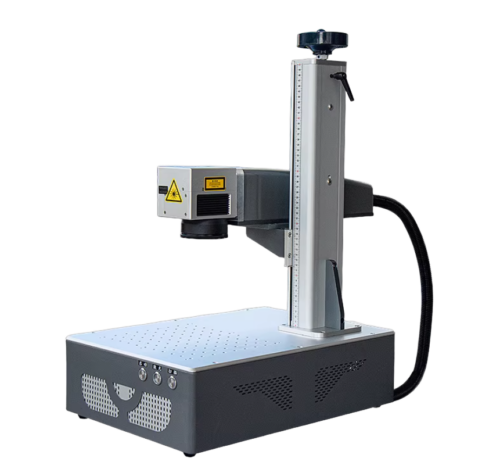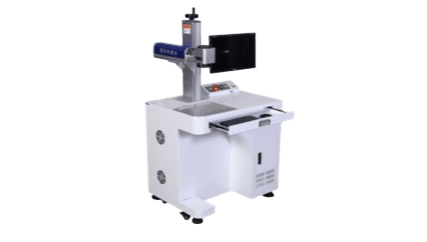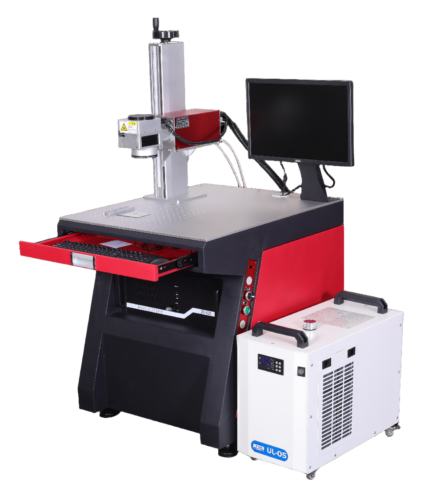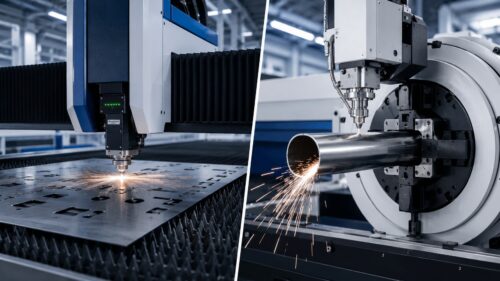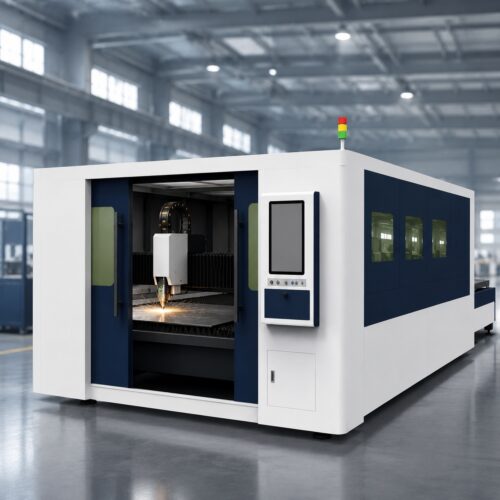


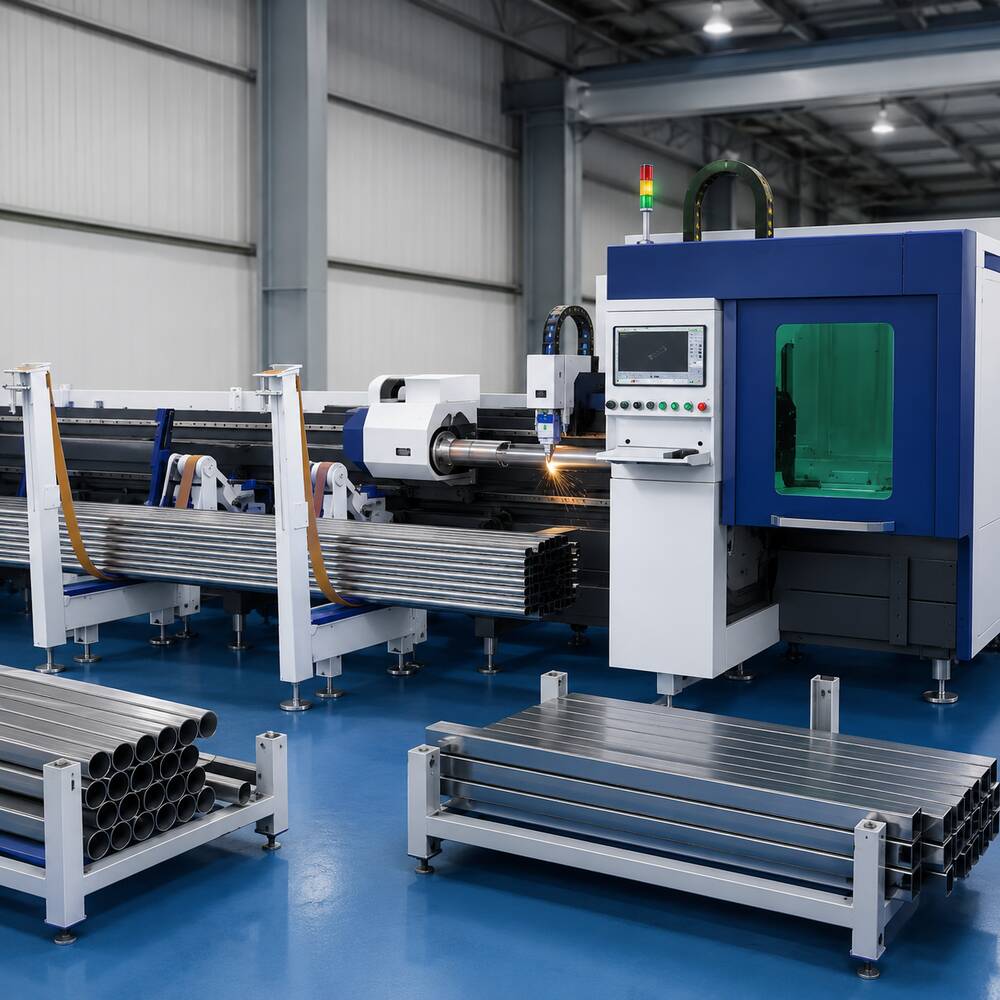
A tube laser cutter has become an essential piece of equipment for manufacturers processing metal tubes and structural profiles. From steel furniture and fitness equipment to automotive components and construction materials, laser tube processing offers higher precision, faster production speeds, and greater flexibility than traditional cutting methods.
As manufacturers seek to improve efficiency and reduce labor costs, investing in the right tube cutting solution has become a strategic decision. Understanding material requirements, production volume, and automation needs is critical when selecting equipment that can support long-term growth.
Traditional tube processing often involves multiple operations, including sawing, drilling, punching, and secondary finishing. These processes require additional labor and increase production time.
Modern laser tube cutting systems combine these operations into a single automated process, improving consistency and reducing handling requirements.
Key drivers behind market adoption include:
As a result, tube laser cutting technology has become increasingly common among manufacturers looking to improve productivity and product quality.
Laser technology provides accurate cuts with minimal deviation, helping manufacturers maintain consistent quality across large production runs.
Advanced nesting software helps optimize material utilization and reduce scrap rates.
A single machine can perform cutting, slotting, hole-making, beveling, and contour processing without multiple setups.
Automation reduces manual intervention and allows operators to manage production more efficiently.
Complex tube geometries and customized profiles can be processed without special tooling.
One of the main advantages of laser tube processing is its versatility.
This flexibility makes laser tube processing suitable for a wide range of industries.
The first consideration should be the dimensions of the materials processed most frequently.
Questions to ask include:
Choosing a machine that matches actual production requirements helps maximize efficiency and control investment costs.
Laser power should be selected based on material thickness and production volume.
Typical recommendations include:
Higher power levels improve cutting speed but are not always necessary.
For high-volume production, automation often provides greater productivity gains than increasing power alone.
Useful features include:
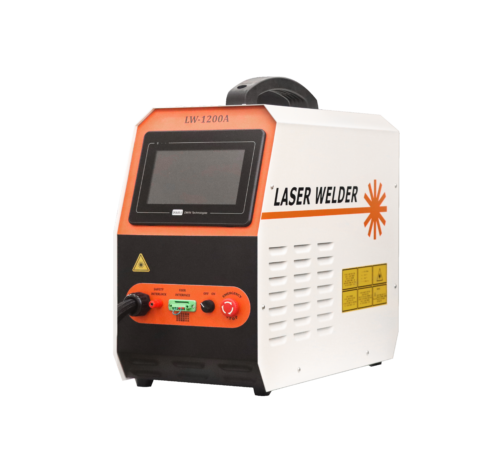
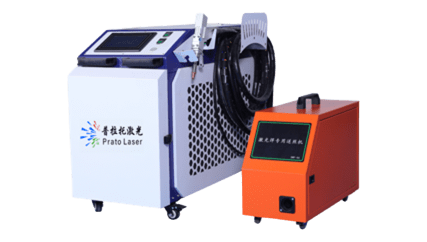
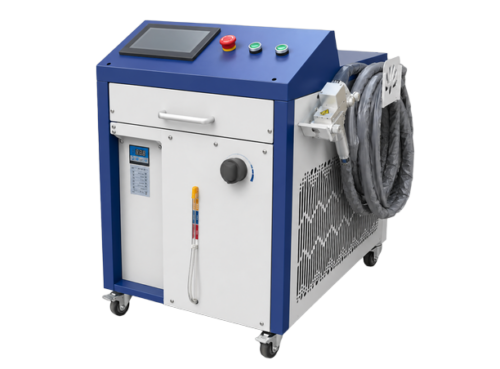
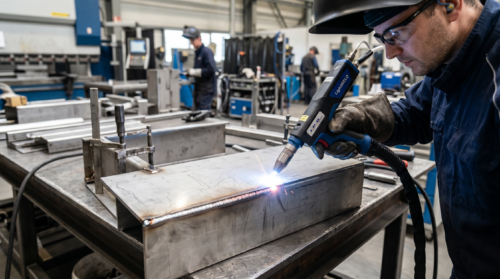
Many manufacturers also integrate tube processing with a Handheld Laser Welding Machine to improve downstream fabrication efficiency.
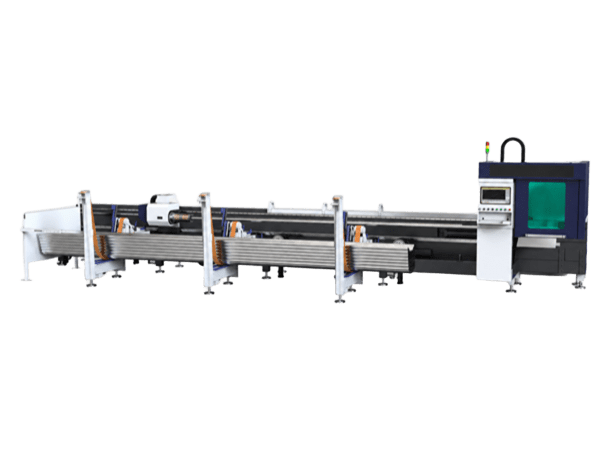
Two-chuck and three-chuck systems offer different advantages.
Manufacturers focused on maximizing material efficiency often prefer three-chuck configurations.
Tube processing technology supports numerous industries.
Steel frameworks, railings, support structures, and architectural components require precise tube cutting.
Modern fitness equipment relies heavily on laser-cut tubing for consistent quality and attractive product design.
Vehicle frames, support brackets, and exhaust systems frequently incorporate laser-cut tubes.
Manufacturers use laser processing to improve consistency and production efficiency for structural components.
Office furniture, shelving systems, and decorative metal products often require complex tube processing.
Manufacturers seeking dedicated tube processing solutions can explore the Laser Tube Cutting Machine product range.
The lowest-cost machine is not always the most economical solution over its lifecycle.
Consider:
Production requirements often increase over time. Equipment should support future expansion as well as current demand.
Overspecifying equipment increases investment costs without always providing meaningful productivity improvements.
Manufacturers serving international markets should consider quality management requirements established by ISO:
Industry research published by SME (Society of Manufacturing Engineers) also highlights the growing importance of automation and laser processing in modern manufacturing:
Before purchasing a laser tube cutting system, manufacturers should:
Companies looking for additional fabrication solutions can review the complete Products portfolio.
A tube laser cutter can significantly improve manufacturing efficiency, product quality, and production flexibility. Whether producing automotive components, steel structures, fitness equipment, or furniture, laser tube processing provides advantages that traditional methods often cannot match.
The most suitable machine is not necessarily the most powerful one. It is the system that best aligns with production requirements, material specifications, and long-term business goals.
Manufacturers with specific project requirements can contact the Prato Laser team through Contact Us for professional recommendations.
A tube laser cutter uses a fiber laser beam to cut, drill, notch, and shape metal tubes with high precision.
Most systems can process carbon steel, stainless steel, aluminum, brass, copper, and galvanized steel.
Round, square, rectangular, oval, angle steel, channel steel, and many custom profiles can be processed.
The required power depends on material type, wall thickness, and production volume. Most manufacturers use systems ranging from 1500W to 6000W.
Three-chuck systems typically improve material utilization and reduce tail material waste compared with two-chuck designs.
For most fabrication applications, laser processing offers greater precision, flexibility, and productivity.
Many manufacturers achieve payback within 12 to 36 months through labor savings, improved efficiency, and reduced material waste.
Evaluate technical support, spare parts availability, software capabilities, warranty coverage, and customer references before making a purchasing decision.

English