

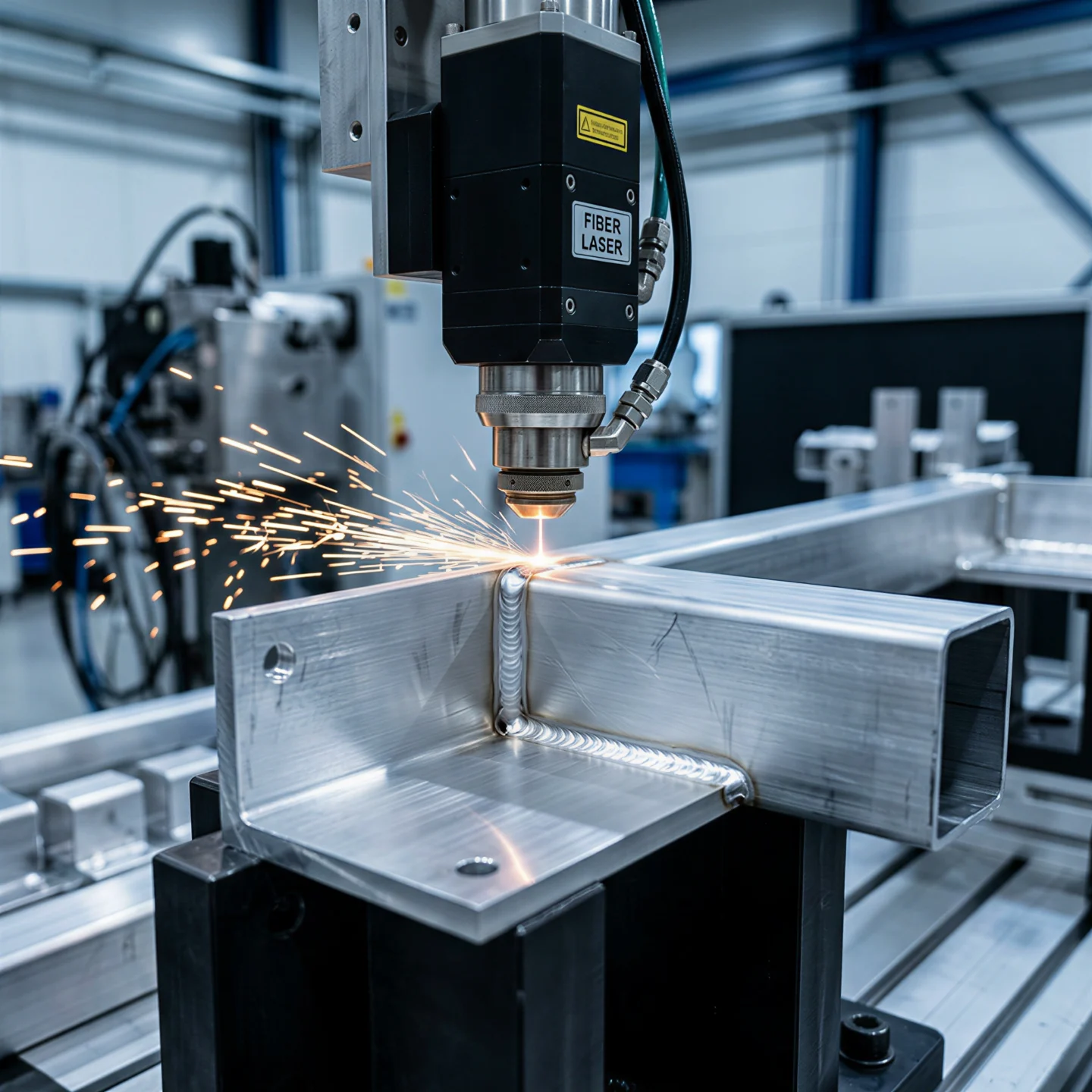
Laser welding aluminum has become an increasingly important manufacturing process across industries such as automotive, aerospace, electronics, and metal fabrication.
As manufacturers continue to pursue lightweight designs and higher production efficiency, laser welding aluminum has emerged as a preferred joining technology. Compared with traditional welding methods, laser welding offers higher speed, improved precision, reduced heat input, and greater automation potential.
However, aluminum is not always easy to weld. Its unique material characteristics create challenges that require proper equipment, process control, and operator knowledge. Understanding these factors is essential for achieving consistent, high-quality welds.
This guide explores the challenges, advantages, applications, and best practices of laser welding aluminum in modern manufacturing environments.
The global demand for aluminum continues to increase due to its versatility and performance advantages. Manufacturers across various industries are replacing heavier materials with aluminum to improve efficiency and reduce operational costs.
Key benefits of aluminum include:
In automotive manufacturing, reducing vehicle weight improves fuel efficiency and extends electric vehicle battery range. In aerospace applications, lighter structures contribute directly to lower operating costs and improved performance.
These advantages explain why aluminum has become a critical material in today's manufacturing sector.
Despite its many advantages, aluminum presents several welding challenges that manufacturers must address.
One of the biggest obstacles is the natural oxide layer that forms on aluminum surfaces. This oxide melts at approximately 2,037°C, while the aluminum base material melts at around 660°C. The large temperature difference can complicate weld penetration and consistency.
Additional challenges include:
The oxide layer protects aluminum from corrosion but creates difficulties during welding. Surface preparation is essential to ensure proper energy absorption and weld quality.
Hydrogen contamination can easily become trapped within molten aluminum, resulting in porosity. Improper cleaning, moisture, oil, and unsuitable shielding gas conditions often contribute to this problem.
Aluminum reflects more laser energy than steel, particularly when using lower-power systems. Modern fiber laser technology has significantly improved energy absorption, helping manufacturers overcome this challenge.
Laser welding offers several advantages compared with traditional welding methods such as TIG and MIG welding.
Laser welding can be several times faster than conventional welding processes. Faster production speeds allow manufacturers to increase throughput and reduce labor costs.
Because laser energy is concentrated into a small area, heat input remains localized. This reduces distortion and minimizes thermal damage to surrounding materials.
Laser welds are typically cleaner and more consistent than traditional welds. Reduced spatter and smoother weld seams often decrease post-processing requirements.
Laser systems provide exceptional control, making them suitable for thin materials, complex assemblies, and precision components.
Laser welding systems integrate seamlessly with robotic automation and smart manufacturing systems, supporting modern production environments.
Laser welding aluminum is used across numerous industries where lightweight, durable structures are required.
The automotive sector is one of the largest users of aluminum laser welding technology.
Applications include:
As electric vehicle production continues to grow, aluminum welding demand is expected to increase significantly.
Aircraft manufacturers use aluminum alloys extensively due to their combination of strength and low weight.
Laser welding supports the production of:
Electronic products often require lightweight metal housings and heat dissipation components. Laser welding enables precise joining while minimizing thermal impact on sensitive parts.
Architectural projects increasingly use aluminum for decorative panels, curtain walls, railings, and structural elements.
Laser welding helps achieve clean welds that improve both appearance and durability.
Modern trains and rail vehicles rely heavily on aluminum structures to reduce weight and improve energy efficiency.
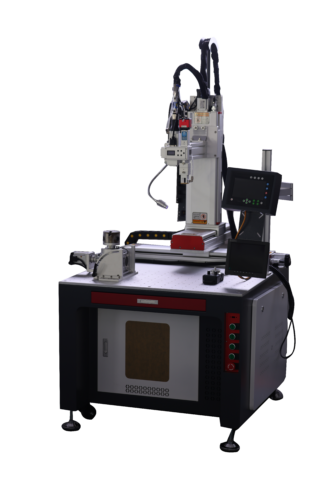
Selecting the proper welding equipment directly impacts productivity, weld quality, and operating costs.
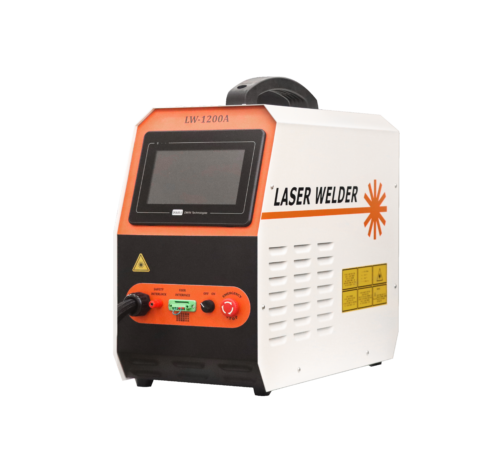
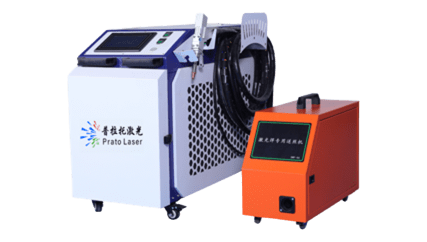
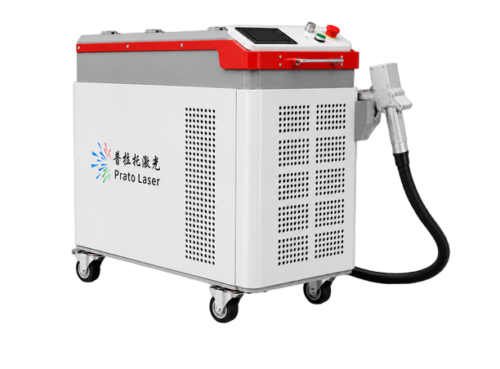
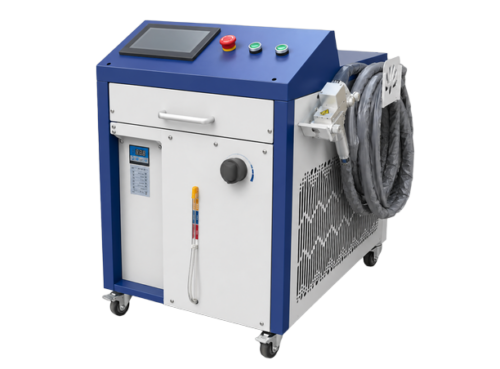
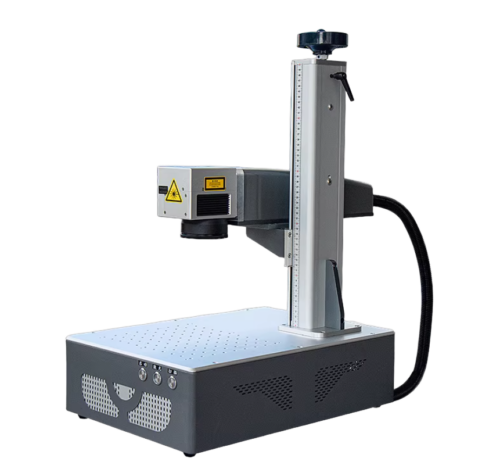
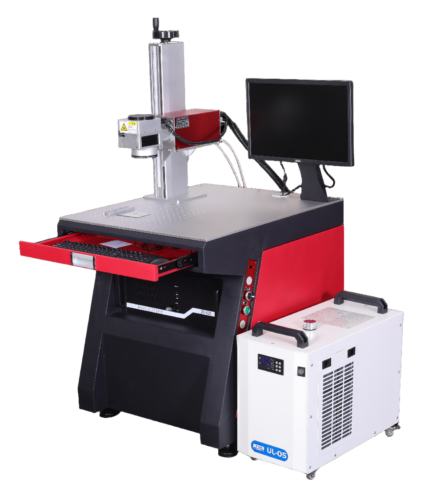
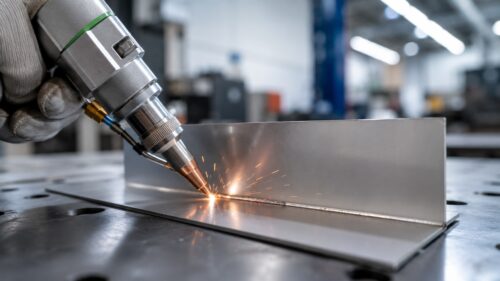
For many fabrication shops, modern handheld fiber laser welding machines provide an excellent balance between performance, flexibility, and investment cost.
When evaluating equipment, manufacturers should consider:
General recommendations include:
1500W Fiber Laser Welder
Suitable for:
2000W Fiber Laser Welder
Suitable for:
3000W Fiber Laser Welder
Suitable for:
Actual power requirements depend on alloy type, joint design, production targets, and desired welding speed.
Achieving consistent weld quality requires more than simply selecting the correct machine.
Surface contamination is one of the most common causes of weld defects.
Before welding, operators should remove:
Proper preparation significantly improves weld quality.
Laser power, welding speed, focal position, and shielding gas settings must be adjusted according to material thickness and alloy characteristics.
Small parameter changes can dramatically affect weld penetration and appearance.
Argon remains the most commonly used shielding gas for aluminum laser welding.
Proper gas flow protects the molten weld pool from atmospheric contamination and reduces oxidation.
Before launching production, manufacturers should perform sample welds and quality inspections to verify process stability.
Although laser welding is easier to learn than traditional welding methods, operator training remains important for maximizing productivity and minimizing defects.
Manufacturers should also follow relevant safety practices outlined by OSHA welding safety guidelines when implementing laser welding systems.
Several emerging technologies are shaping the future of aluminum welding.
Artificial intelligence is increasingly being used to automatically adjust welding parameters based on real-time production data.
Advanced sensors now allow manufacturers to monitor weld quality during production, helping identify potential defects before they become costly issues.
Laser welding systems are becoming more connected with MES, ERP, and Industry 4.0 platforms, enabling improved production visibility.
Collaborative robots are making automated welding more accessible to small and medium-sized manufacturers.
New generations of fiber laser sources continue to deliver greater efficiency, stability, and performance.
These developments are expected to further expand the adoption of laser welding aluminum across global manufacturing industries.
Laser welding aluminum has become a critical manufacturing technology for industries seeking lightweight, durable, and high-performance products. Compared with traditional welding methods, laser welding offers higher speed, greater precision, improved automation compatibility, and reduced heat input.
While aluminum presents unique challenges such as oxide formation, reflectivity, and porosity risks, modern fiber laser welding systems can effectively overcome these obstacles when combined with proper preparation and process control.
As industries continue moving toward lightweight materials and automated production, laser welding aluminum will play an increasingly important role in the future of manufacturing.
Laser welding generally offers faster processing speeds, lower heat input, and better automation capabilities. TIG welding may still be suitable for certain repair applications and low-volume production.
Yes. Modern handheld fiber laser welders can effectively weld many aluminum alloys when proper settings and preparation methods are used.
The achievable thickness depends on laser power, alloy type, and joint design. Most industrial systems can weld aluminum from thin sheets to several millimeters thick.
Yes. Cleaning the surface to remove contaminants and oxide layers is highly recommended for achieving high-quality welds.
Argon is the most commonly used shielding gas because it protects the weld pool and helps reduce oxidation.
Automotive manufacturing, aerospace, electronics, rail transportation, renewable energy, and architectural fabrication are among the industries that benefit most from aluminum laser welding technology.
The highly concentrated laser beam creates a smaller heat-affected zone, reducing thermal deformation compared with conventional welding methods.
Yes. Fiber laser welding systems integrate easily with robotic automation and smart manufacturing systems, making them ideal for high-volume production environments.

English