

Zero Tail Cutting is becoming an important topic for factories that process metal tubes every day. In laser tube cutting, even a small leftover tail on each tube can become a large material cost when production volume increases.
For many buyers, laser power and cutting speed are easy to compare. However, tailing waste is often ignored during machine selection. As a result, some factories only notice the real cost after running batch production for weeks or months.
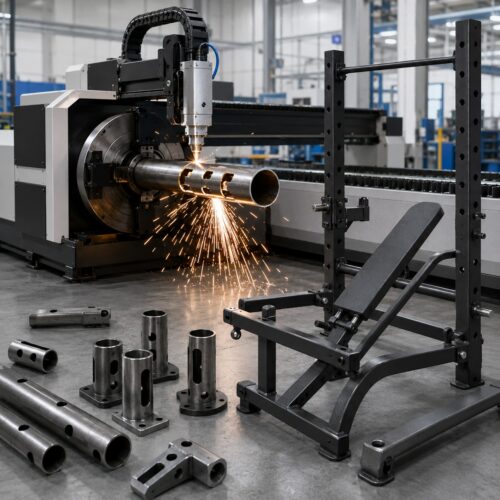
Zero Tail Cutting is not just a machine feature. It is a material-saving strategy for tube fabrication, metal furniture, fitness equipment, automotive parts, guardrails, machinery frames, and steel structure production.
Zero Tail Cutting refers to a tube cutting method designed to reduce the unused tail material left at the end of a metal tube. In real production, it does not always mean that there is absolutely no material loss. Instead, it means the machine is designed to cut closer to the tube end and reduce unnecessary leftover material.
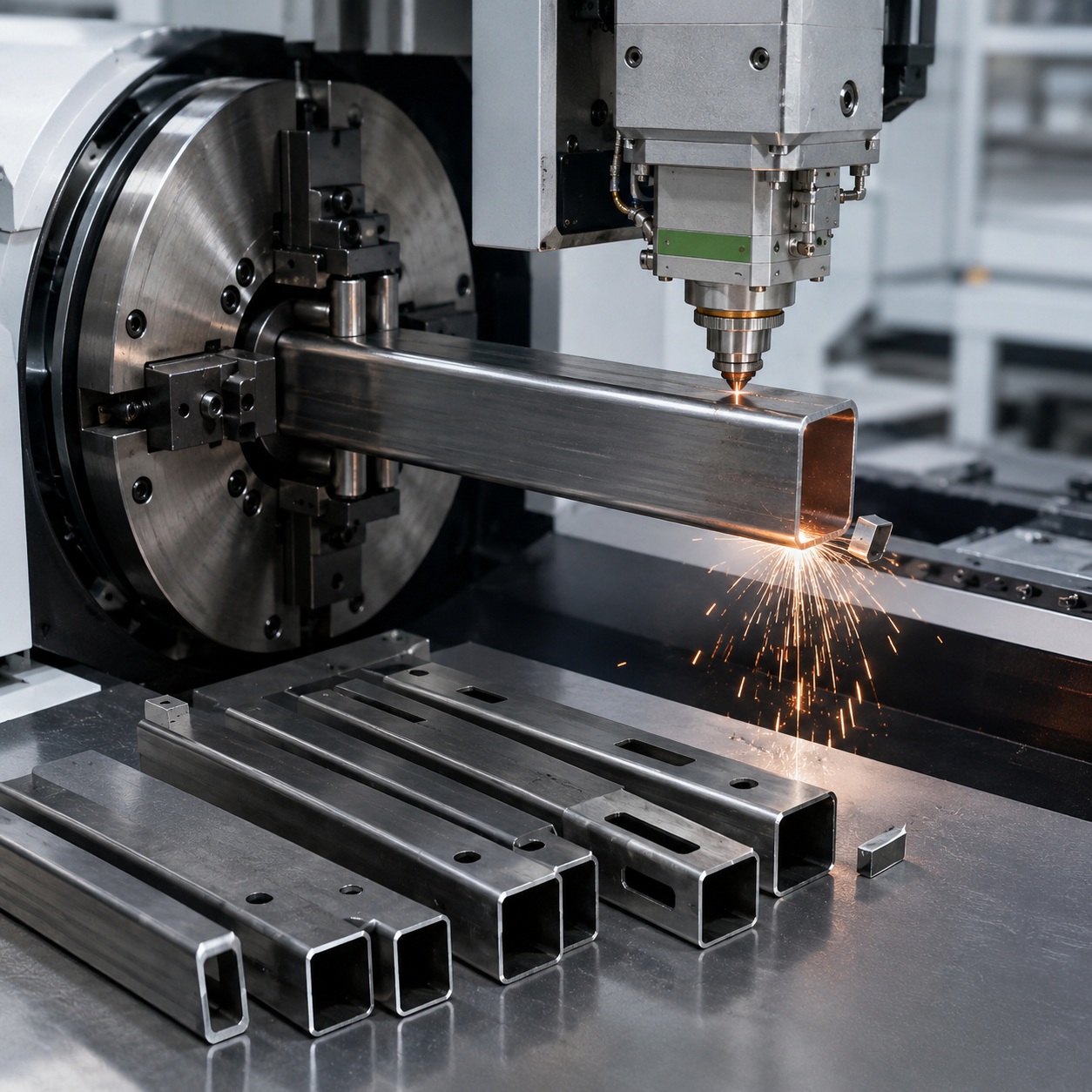
A traditional tube cutting process may leave a tail section because the chuck needs enough space to hold the tube safely. However, an advanced laser tube cutting machine can use better chuck movement, feeding control, and clamping design to reduce that remaining section.
Therefore, Zero Tail Cutting is closely related to the chuck system, tube support, machine structure, and cutting program. It should not be viewed as a single isolated function.
Tailing waste may look small on one tube. However, the cost becomes much higher in batch production.
For example, a factory that cuts stainless steel tubes, aluminum profiles, carbon steel pipes, or shaped tubes may process hundreds or thousands of tubes each month. If each tube leaves an unusable tail, the total waste can become a serious cost.
In addition, tailing waste is not only about material price. It also affects storage, handling, scrap management, and production planning. When leftover tubes cannot be reused, they take up space and reduce overall material efficiency.
As a result, factories that process expensive tubes or high-volume orders should pay close attention to tailing length before choosing a tube laser cutter.
Zero Tail Cutting works through a combination of mechanical design and intelligent control. The most important factors include chuck configuration, tube feeding, clamping stability, and cutting path planning.
A laser tube cutting machine usually clamps the tube with one or more chucks. When the tube moves forward, the chuck system controls rotation, positioning, and support. If the chuck can move closer to the tube end or support the final cutting section more effectively, the machine can reduce the unused tail.
In many cases, front chuck over-travel, servo feeding, precision chuck clamping, and multi-chuck support can help improve material utilization. Also, automatic loading and unloading systems can make the whole process more stable for batch production.
Therefore, Zero Tail Cutting depends on the full machine configuration, not only one part.
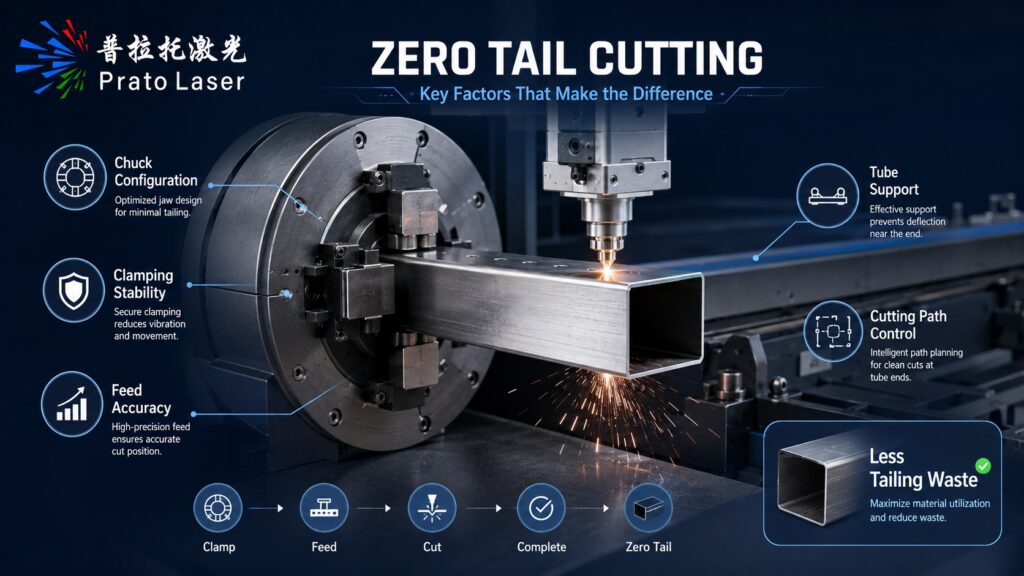
Different chuck configurations fit different production needs.
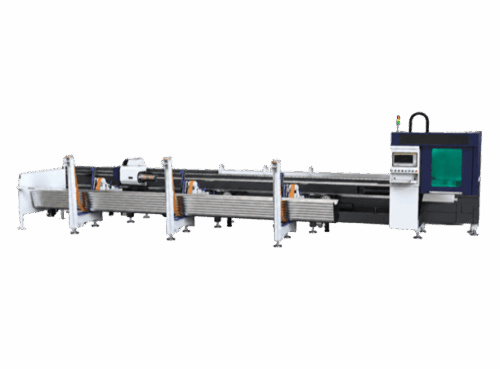
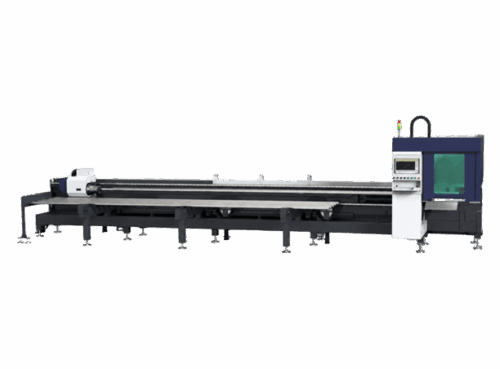
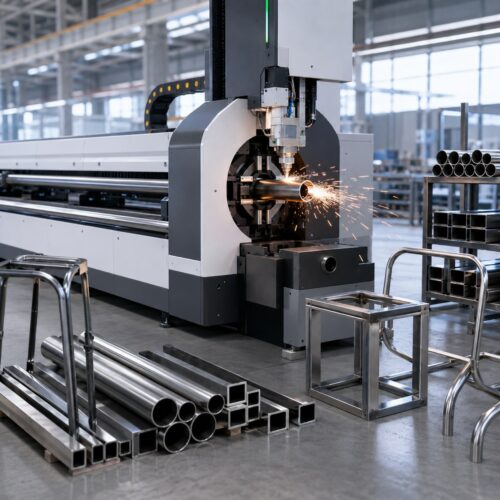
A double chuck laser tube cutting machine is suitable for many standard tube cutting applications. It can process common round tubes, square tubes, rectangular tubes, and simple profiles. For small and medium workshops, this can be a practical and cost-effective choice.
Meanwhile, a three chuck laser tube cutter can provide stronger tube support and better material control. Because the additional chuck improves positioning during the final cutting stage, it may help reduce tailing waste in many applications.
In contrast, a four chuck tube laser cutter is usually used for longer tubes, heavier tubes, larger profiles, or more demanding production requirements. It can provide stronger support and better stability for complex tube processing.
Therefore, buyers should not choose the chuck configuration only by price. Tube length, tube diameter, wall thickness, tube weight, accuracy requirement, and acceptable tailing length should all be considered.
Zero Tail Cutting is especially useful for factories with stable tube processing demand. If a factory cuts only a few tubes occasionally, the cost saving may not be obvious. However, for daily tube cutting production, the long-term value can be significant.
Metal furniture manufacturers often process round and square tubes for chairs, tables, shelves, and frames. Therefore, reducing tailing waste can help improve material efficiency.
Fitness equipment factories also use many tube parts. Because frames, handles, and support structures require consistent dimensions, stable cutting and material savings are both important.
Guardrail and handrail manufacturers may process long tubes in large batches. In this case, low-tail or zero-tail cutting can help reduce scrap over time.
Automotive parts suppliers, machinery frame manufacturers, agricultural equipment producers, and construction machinery factories can also benefit from better tube utilization. For these industries, tube material cost and cutting consistency both affect final production value.
Material saving is the most direct benefit of Zero Tail Cutting. However, it is not the only advantage.
A better zero-tail tube cutting system can also improve tube support during processing. With stronger clamping and feeding control, the tube is less likely to slip, vibrate, or shift during cutting.
In addition, stable tube support can improve hole accuracy, profile consistency, and repeatability. This is important for parts that will be welded, assembled, or installed after cutting.
Also, when tailing waste is reduced, production planning becomes easier. Factories can calculate material use more accurately and reduce unexpected scrap.
Therefore, Zero Tail Cutting can support both cost control and production stability.
Before choosing a zero-tail tube cutting machine, buyers should prepare real production information. This helps the supplier recommend the right machine configuration.
Important questions include:
In addition, buyers should request sample cutting when possible. Real tube samples and drawings can show tailing length, cutting quality, clamping stability, and machine performance more clearly than basic specifications.
Zero Tail Cutting focuses on material saving, but safety should still be part of machine planning. Laser tube cutting produces light radiation, smoke, dust, and moving mechanical parts. Therefore, buyers should consider machine enclosure, dust extraction, operator training, and daily maintenance.
For laser equipment safety, buyers can review OSHA laser hazards guidance when planning workshop safety and operator protection.
In addition, tube cutting production should include regular chuck cleaning, air pressure checks, lubrication, and jaw inspection. These steps help keep clamping stable and reduce accuracy problems over time.
Prato Laser provides laser cutting solutions for sheet and tube metal processing. For tube cutting projects, machine selection should be based on real materials, tube sizes, production volume, cutting drawings, and tailing waste requirements.
Prato Laser can help buyers evaluate tube diameter, wall thickness, chuck configuration, loading method, cutting power, and sample testing needs before choosing a laser tube cutting machine.
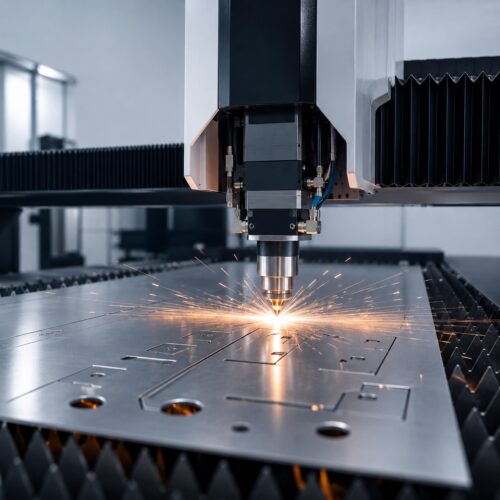
For factories that process both flat metal sheets and tubes, a complete production setup may also include a fiber laser cutting machine and a laser tube cutting machine. If higher productivity is required, buyers can also review the high-speed laser cutting machine.
To learn more about Prato Laser equipment and metal processing solutions, visit the Prato Laser homepage.
A zero-tail tube laser cutting machine should be selected based on long-term production value, not only the machine price.
First, check whether the factory processes enough tubes to benefit from tailing waste reduction. Next, compare the tube sizes, materials, and part drawings with the machine’s chuck capacity. In addition, ask the supplier about real tailing length under actual cutting conditions.
Also, review the machine structure, feeding accuracy, chuck stability, loading system, software support, and spare parts availability. Finally, test samples before purchase whenever possible.
This process can help buyers avoid wrong model selection and choose a machine that matches real production needs.
Zero Tail Cutting is not simply a technical term. It is a practical way to reduce tube waste, improve material utilization, and support more stable tube fabrication.
For factories processing metal furniture, fitness equipment, guardrails, automotive parts, machinery frames, and steel structures, tailing waste can become a hidden cost. Therefore, choosing the right laser tube cutting machine and chuck configuration is important.
A double chuck system may be enough for standard tube cutting. Meanwhile, three chuck or four chuck systems may provide better support for longer tubes, heavier materials, and lower tailing waste requirements.
In the end, the best solution depends on real production needs. Buyers should compare tube size, material type, wall thickness, daily output, acceptable tailing length, and sample cutting results before making a decision.
Zero Tail Cutting is a tube cutting method designed to reduce the unused tail material left at the end of a tube. It helps improve material utilization in laser tube cutting.
Not always. In real production, Zero Tail Cutting usually means reducing the unusable tail section as much as possible. The final result depends on tube size, chuck design, cutting path, and machine configuration.
A laser tube cutting machine can reduce tailing waste through precision chuck clamping, servo feeding, front chuck over-travel, multi-chuck support, and optimized cutting programs.
A three chuck system can provide better tube support and may help reduce tailing waste compared with some standard configurations. However, the best choice depends on tube length, diameter, weight, wall thickness, and production needs.
Zero Tail Cutting is useful for metal furniture, fitness equipment, guardrails, automotive parts, machinery frames, steel structures, agricultural machinery, and construction equipment manufacturing.
Buyers should check tube diameter, tube length, wall thickness, tube weight, material type, acceptable tailing length, chuck configuration, loading method, sample cutting result, and after-sales support.
Yes. By reducing tube tailing waste, Zero Tail Cutting can improve material utilization and lower long-term production costs, especially in batch tube processing.
No. It is more obvious with expensive materials such as stainless steel or aluminum profiles. However, even carbon steel tube waste can become costly when production volume is high.

English