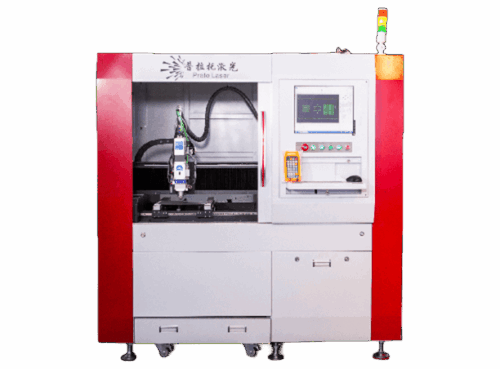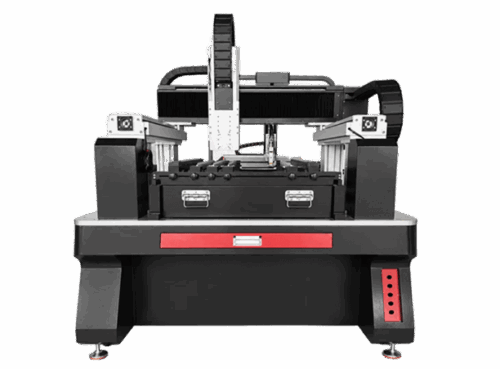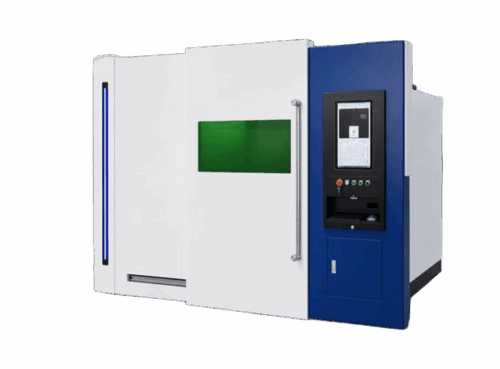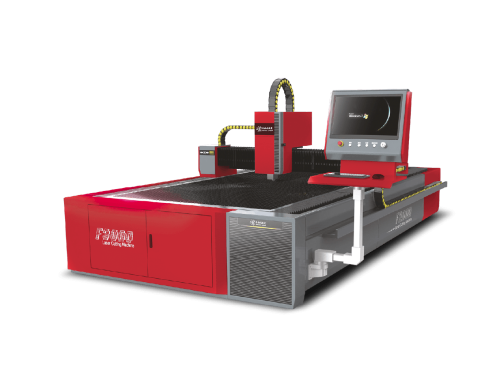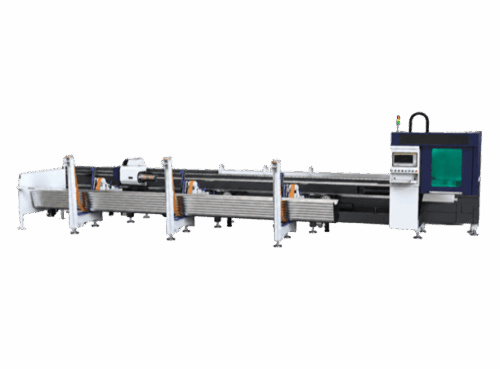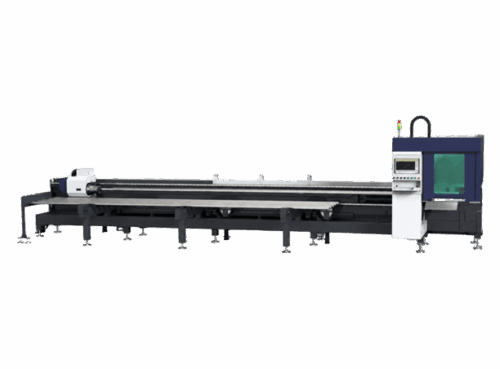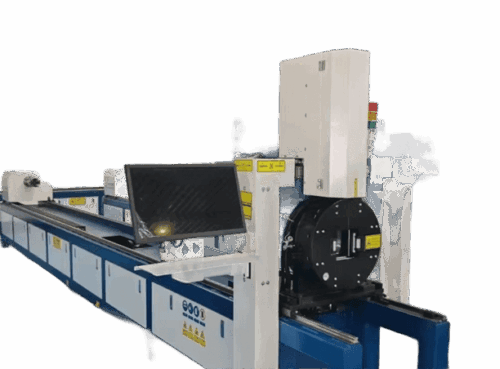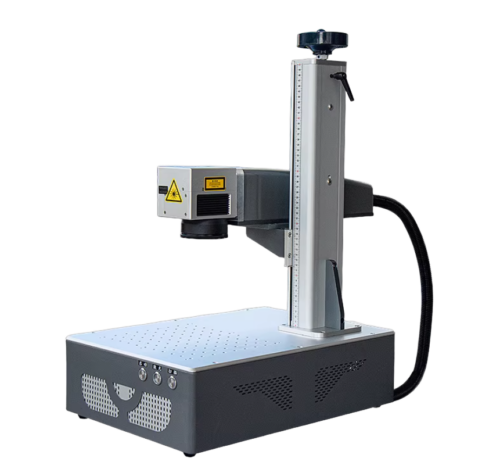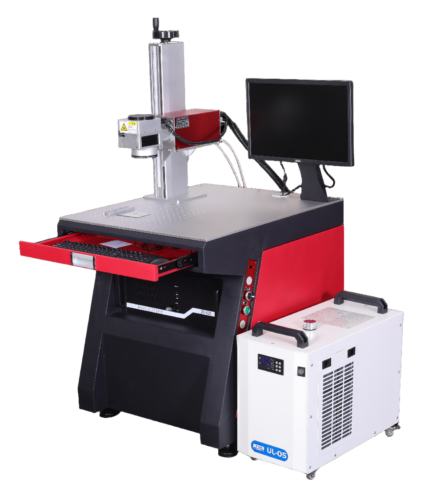


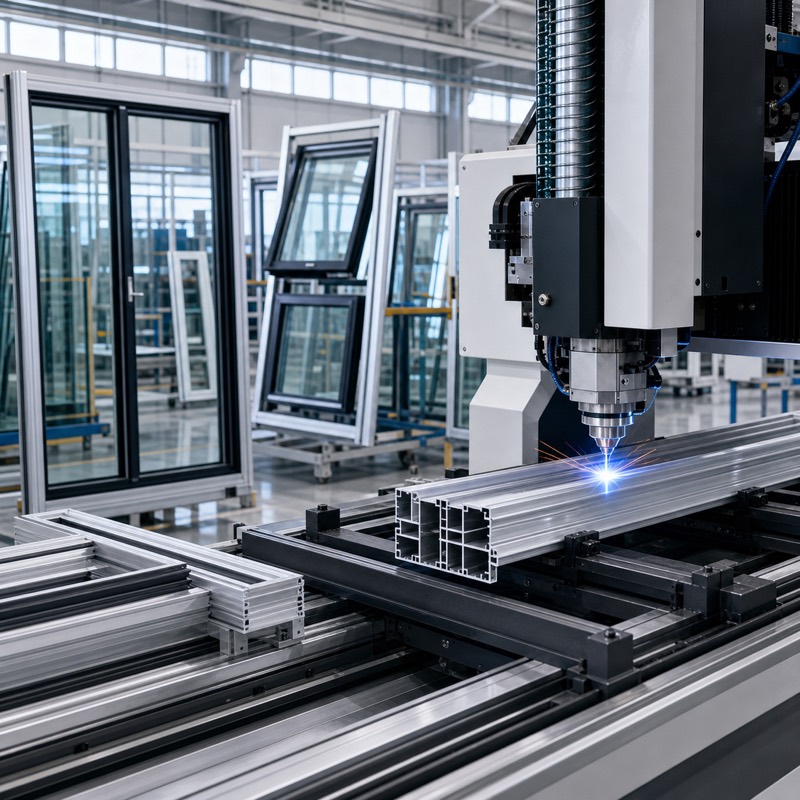
A window door laser machine is essential for modern manufacturers producing aluminum windows, steel doors, and curtain wall frames. Rising labor costs and stricter quality requirements have made laser processing key for achieving high precision, reducing material waste, and improving production efficiency.
Traditional manufacturing methods such as saw cutting, punching, and mechanical welding still exist in many factories. However, they often struggle to meet modern production requirements.
Laser processing offers several advantages:
Door and window profiles require accurate dimensions to ensure proper assembly and sealing performance. Laser cutting provides consistent tolerances and clean edges.
Material costs continue to rise, particularly for aluminum and stainless steel. Laser nesting software helps optimize sheet utilization and reduce scrap rates.
Modern fiber laser systems can process large volumes of profiles and sheet metal components much faster than conventional methods.
Laser-cut edges often require less secondary processing, helping manufacturers achieve a cleaner final product.
According to manufacturing quality standards promoted by ISO, consistent production quality plays a critical role in reducing defects and improving customer satisfaction.
Different materials require different laser configurations.
Aluminum remains the dominant material for commercial and residential window systems.
Key requirements:
Frequently used in luxury doors, security doors, and architectural decoration projects.
Requirements:
Common in industrial doors and structural frames.
Requirements:
Used in specialized door manufacturing applications.
Requirements:
Many manufacturers focus only on cutting equipment. In reality, welding often becomes the production bottleneck.
Choose a cutting solution if your factory mainly processes:
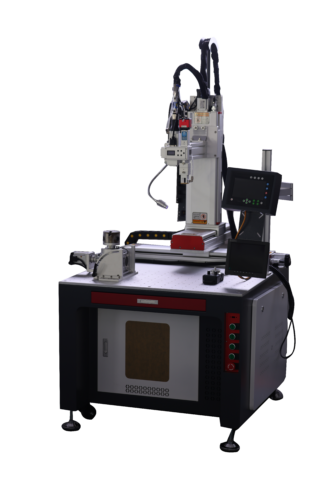
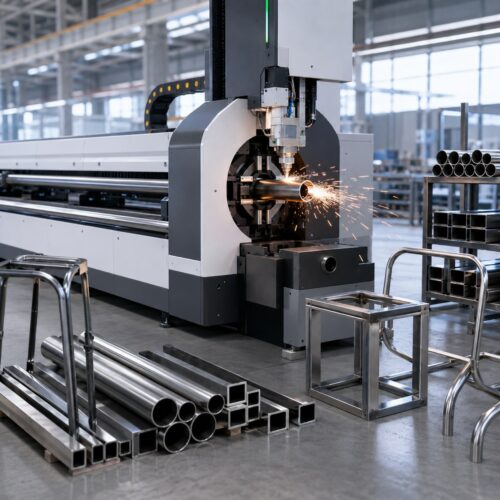
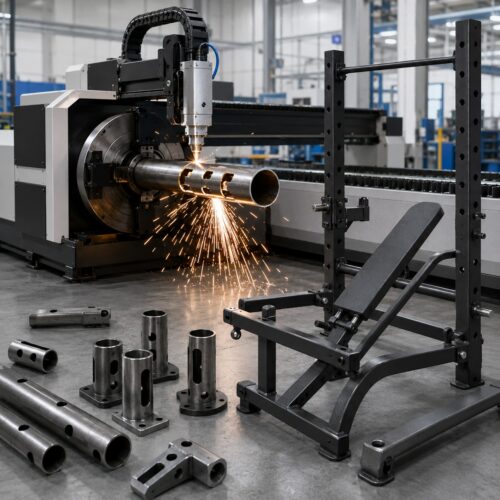
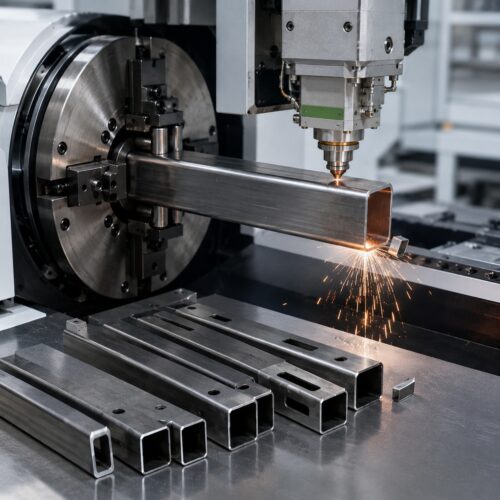
For these applications, a high-performance Laser Tube Cutting Machine can significantly improve production efficiency.
Laser welding becomes essential when producing:
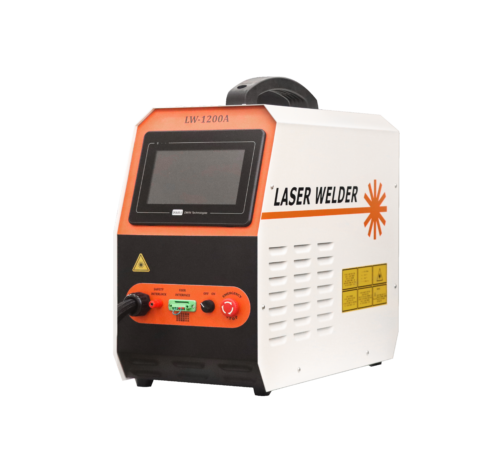
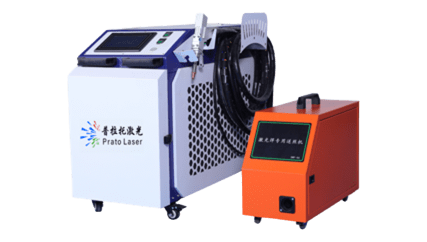
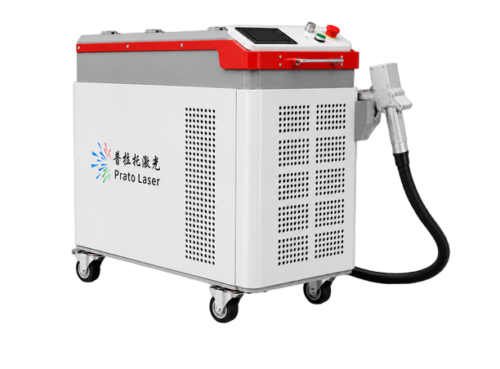
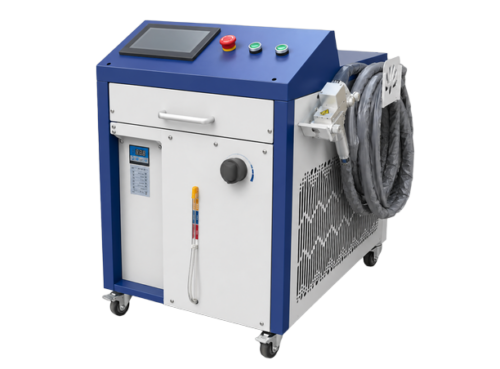
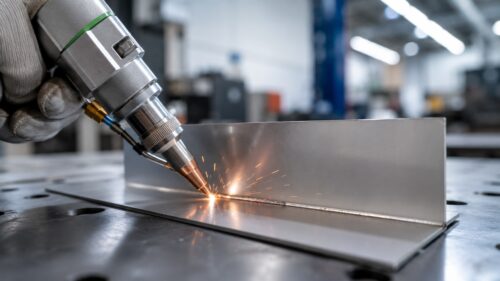
Modern Handheld Laser Welding Machine systems offer flexibility for both workshop and on-site fabrication.
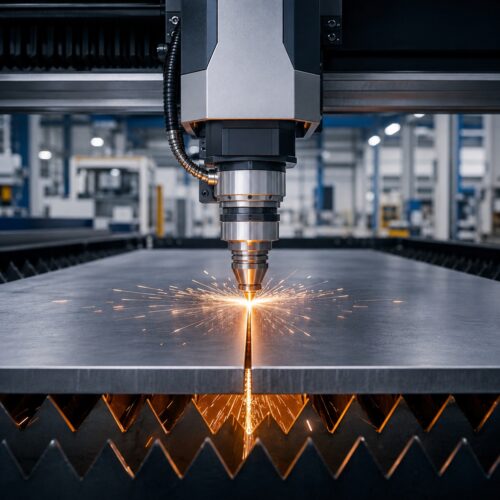
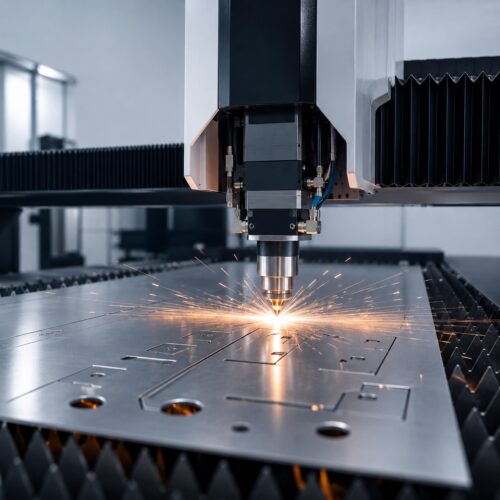
Fiber laser cutting machines have become the preferred solution for many manufacturers because of their versatility and low operating costs.
Laser-cut edges often eliminate the need for additional grinding or finishing.
Fiber laser sources typically require less maintenance compared with older CO₂ systems.
Suitable for:
Many factories integrate fiber laser cutting systems with automatic loading and unloading devices.
For manufacturers processing both sheets and tubes, reviewing the complete Products portfolio can help identify suitable automation options.
One trend gaining momentum is the use of handheld laser welding systems.
Compared with traditional TIG welding, handheld laser welders offer:
Operators can complete many welds significantly faster.
Many workers can become productive after a short training period.
Laser weld seams are often smoother and require less polishing.
Heat input is lower, helping maintain dimensional accuracy.
These advantages make handheld systems particularly attractive for aluminum door and window manufacturers.
Many buyers assume higher power always means better productivity.
In reality, machine power should match material thickness and production volume.
A machine that meets today's requirements may become insufficient within two years.
Consider future production growth when selecting equipment.
Low-cost equipment may lead to:
The total cost of ownership is often more important than the initial investment.
Equipment should comply with recognized safety requirements.
Manufacturers should review recommendations from OSHA regarding laser safety and workplace protection.
Return on investment varies between factories, but several factors consistently influence results.
Higher throughput generally shortens payback periods.
Factories facing skilled labor shortages often achieve faster returns.
Companies producing customized doors and windows typically benefit more from laser flexibility.
Reducing scrap rates can create substantial annual savings.
Many fabricators report payback periods between 12 and 36 months depending on utilization rates.
Based on industry experience, manufacturers can simplify the selection process by focusing on three questions:
The answer determines required power levels and machine configuration.
Equipment should support both current and projected demand.
Many growing factories eventually adopt both technologies to improve workflow efficiency.
Before making a final decision, buyers should request sample testing, evaluate service support, and verify certification compliance.
Learning more about the manufacturer is equally important. Buyers can review the company's background through About Us and discuss specific production requirements through Contact Us.
The window and door industry continues to move toward higher precision, greater automation, and shorter delivery cycles.
A properly selected Laser Machine for Window and Door Manufacturing can help manufacturers improve quality, reduce labor dependence, and increase profitability. The ideal solution depends on material type, production volume, and long-term business objectives rather than simply choosing the highest-powered machine available.
Factories that align equipment investment with production requirements are often the ones that achieve the fastest returns and the most sustainable growth.
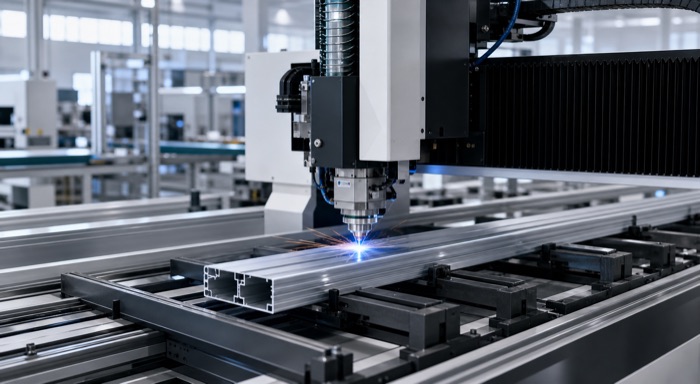
Fiber laser cutting machines are commonly used for cutting aluminum and steel profiles, while handheld laser welding machines are ideal for frame assembly and finishing.
Yes. Fiber laser technology provides clean edges, high precision, and minimal material deformation when processing aluminum profiles.
Most manufacturers use machines ranging from 1.5kW to 6kW, depending on material thickness and daily production requirements.
Laser cutting typically offers higher precision, less material waste, and greater flexibility for customized production.
Many manufacturers achieve payback within 12–36 months through labor savings, improved productivity, and reduced material waste.
Most modern fiber laser sources have an expected service life of 50,000 to 100,000 operating hours under normal conditions.
For international markets, buyers should look for CE certification and ISO9001 quality management compliance.
Evaluate factors such as manufacturing experience, technical support, spare parts availability, training services, and customer references before making a purchasing decision.

English