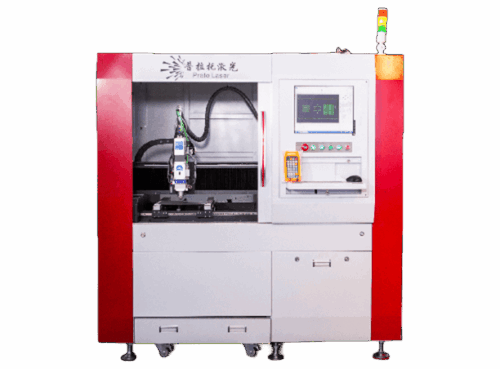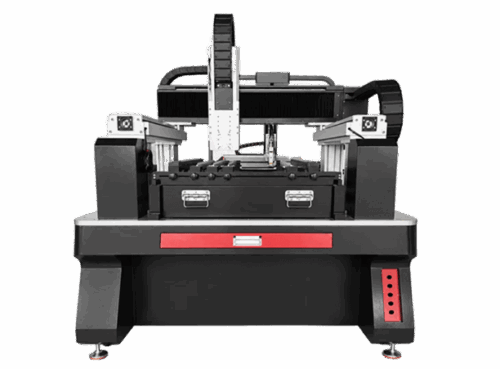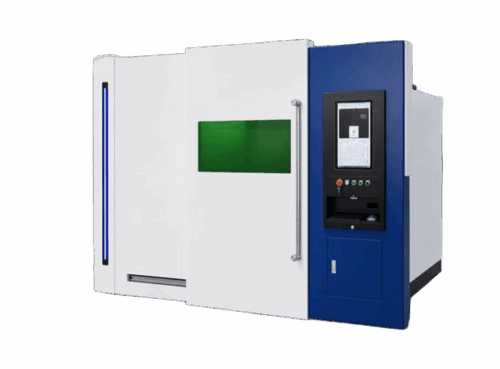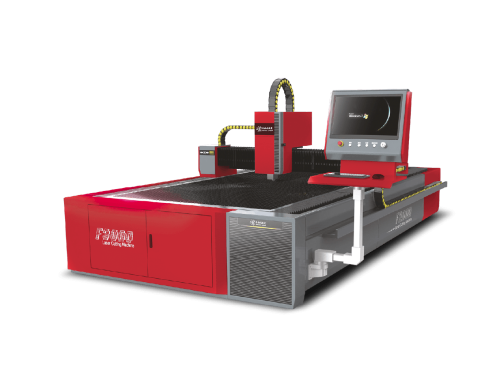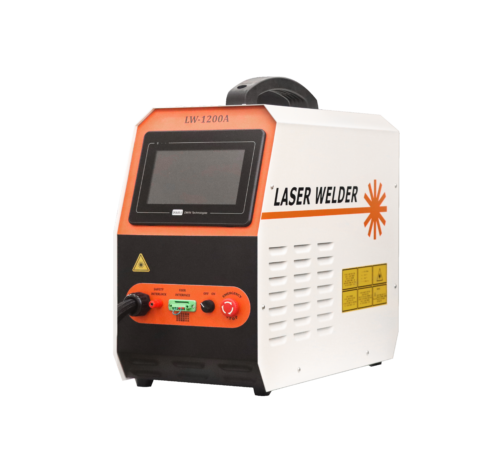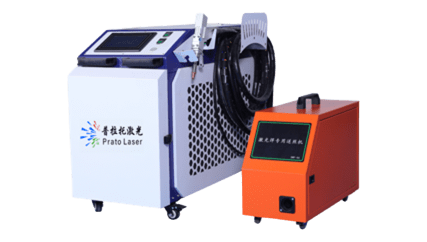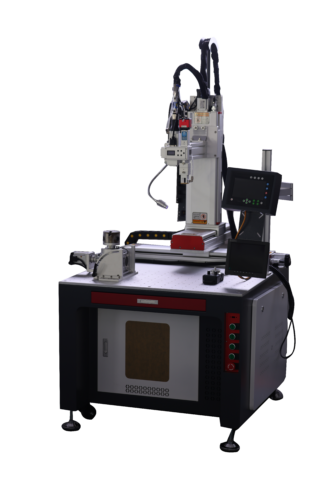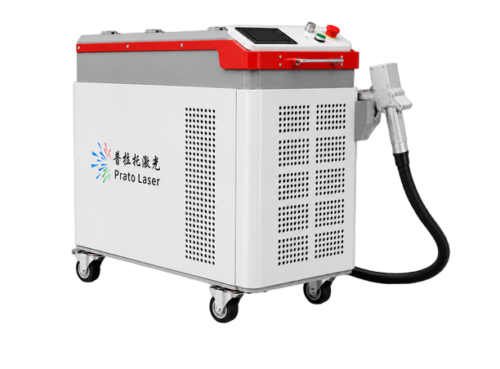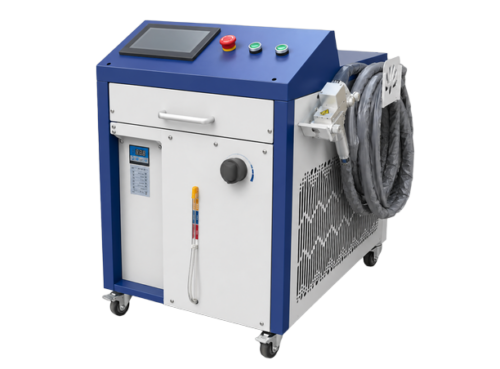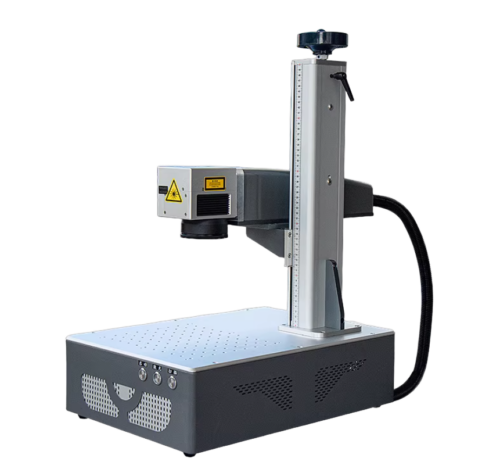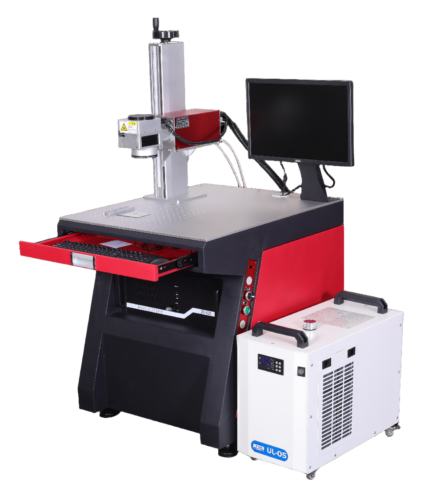


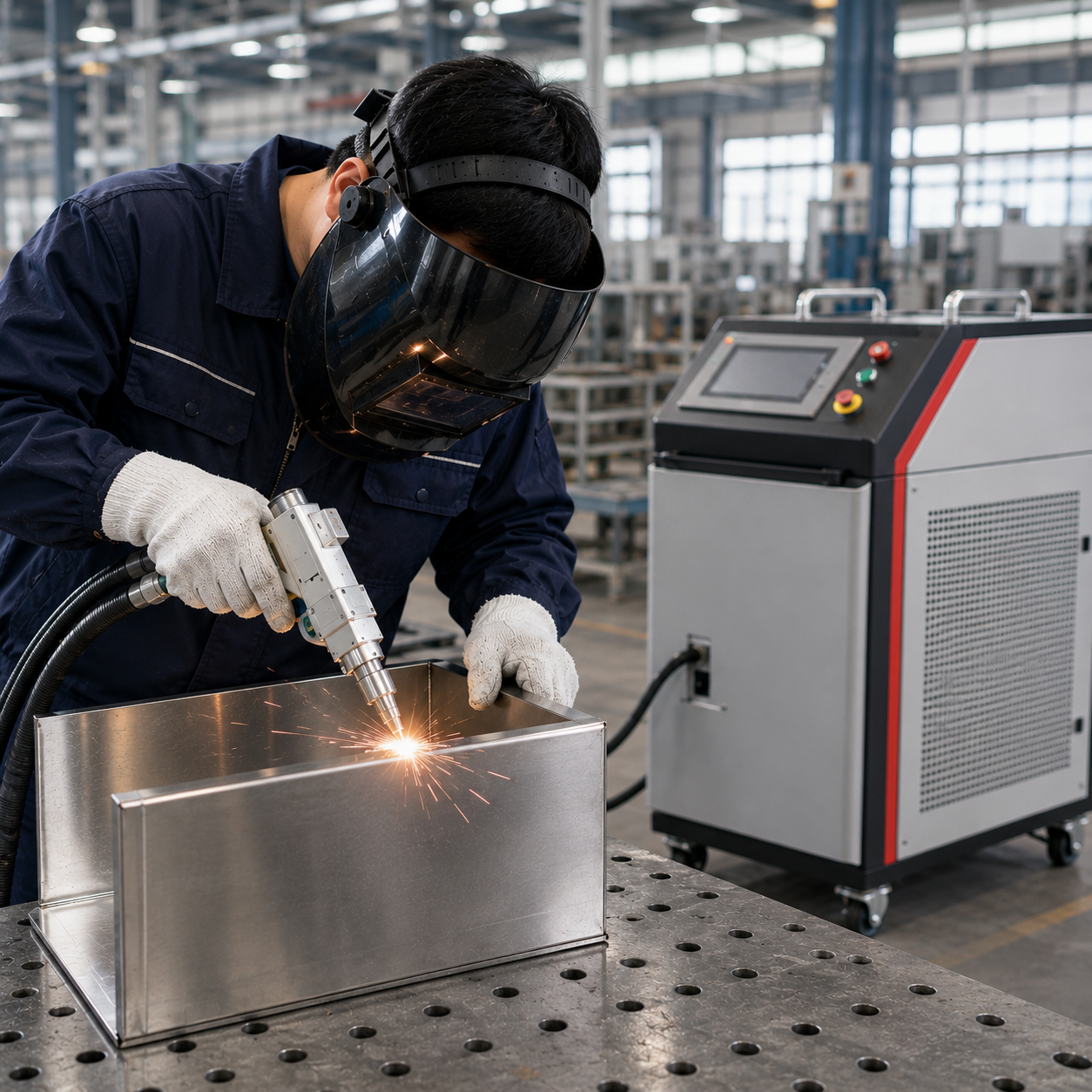
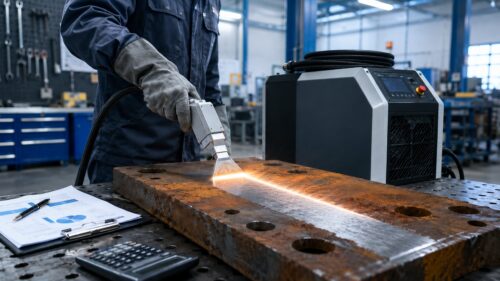
Handheld laser welding is rapidly becoming one of the most adopted joining technologies in metal fabrication. Compared with traditional TIG and MIG welding, handheld laser welding offers faster processing speeds, lower heat input, reduced distortion, and simplified operation. Manufacturers across automotive, construction, kitchen equipment, and sheet metal industries are increasingly investing in handheld laser welding systems to improve productivity and weld quality.
Industrial manufacturers face increasing demand for precision, speed, and consistent quality. Traditional welding techniques often require skilled operators and longer processing times. Laser welding technology bridges this gap by allowing operators to perform high-quality welds quickly, reducing labor dependence and improving production efficiency.
Adoption is especially notable in:
As manufacturers seek higher throughput and more flexible production methods, handheld laser welding continues to gain traction in both developed and emerging markets.
Operators can complete welds significantly faster than conventional methods, improving productivity and reducing labor costs.
Modern laser welders feature user-friendly interfaces, allowing operators to become productive with minimal training.
The concentrated laser beam produces a smaller heat-affected zone, helping maintain dimensional accuracy and reducing rework.
Laser weld seams are cleaner and smoother, often eliminating the need for grinding and polishing.
Lower labor requirements, reduced consumable usage, and improved efficiency contribute to a faster return on investment.
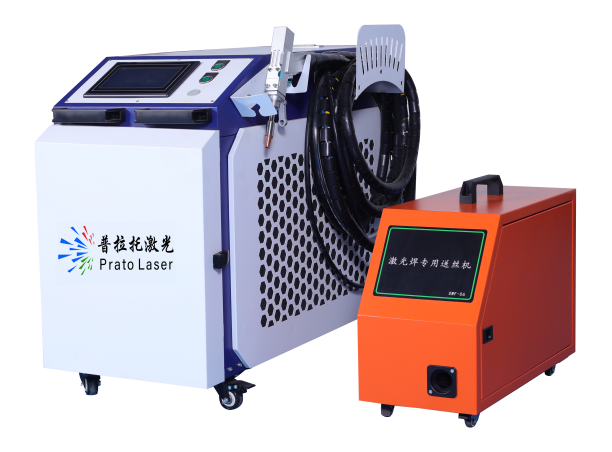
The versatility of portable laser welding makes it suitable for a wide range of industries and applications.
Common applications include:
Manufacturers looking to improve welding efficiency can explore industrial-grade Handheld Laser Welding Machine solutions designed for modern fabrication environments.
For surface preparation and post-weld cleaning, combining welding systems with a Laser Cleaning Machine can further improve production quality.
Different materials require different power levels and welding parameters. Stainless steel, aluminum, carbon steel, and galvanized steel may all require unique settings.
Production volume plays an important role in selecting machine power and duty cycle. Higher-volume operations may benefit from more powerful systems.
Equipment should comply with internationally recognized standards. Manufacturers should review laser safety guidelines from OSHA and quality management standards established by ISO.
Technical support, spare parts availability, operator training, and after-sales service can significantly impact long-term productivity.
Learn more about the manufacturer through About Us or discuss project requirements via Contact Us.
Traditional TIG and MIG welding remain common in many fabrication facilities. However, laser welding equipment offers several advantages.
Laser welding generally achieves faster welding speeds, especially for thin and medium-thickness materials.
Lower heat input minimizes deformation and reduces the need for corrective work.
Handheld laser welding typically requires less operator experience than traditional welding processes.
Laser welds often require little or no post-processing, helping reduce overall production costs.
While traditional welding remains suitable for some heavy-duty applications, laser welder is becoming the preferred choice for many precision fabrication tasks.
Higher wattage does not automatically result in better productivity. Machine specifications should align with actual production needs.
The lowest-priced machine may not deliver the best long-term value. Buyers should consider reliability, support, and operating costs.
Production requirements often grow over time. Investing in equipment with some capacity for future expansion can prevent costly upgrades later.
Reliable technical support and spare parts availability are essential for minimizing downtime.
Before purchasing a handheld laser welding system, manufacturers should:
Companies looking for complete fabrication solutions can review the full range of Products available for metal processing applications.
Handheld laser welding has moved beyond being a niche technology and is now a mainstream solution for modern metal fabrication. Its ability to improve productivity, reduce distortion, simplify operation, and lower overall production costs makes it an attractive investment for manufacturers of all sizes.
As labor challenges and quality requirements continue to shape the industry, handheld laser welding is expected to play an increasingly important role in the future of industrial manufacturing.
Handheld laser welding uses a fiber laser source and portable welding gun to join metal parts with high precision and low heat input.
Common materials include stainless steel, carbon steel, aluminum, galvanized steel, brass, and certain titanium alloys.
For many applications, portable laser welding offers faster processing speeds, less distortion, and lower finishing requirements than TIG welding.
Most industrial users select 1500W to 3000W systems depending on material thickness and production requirements.
Many manufacturers achieve payback within 12 to 24 months through labor savings and increased productivity.
Modern fiber laser sources typically provide 50,000 to 100,000 operating hours.
CE certification and ISO9001 quality management compliance are commonly required for international markets.
Evaluate manufacturing experience, after-sales support, training services, spare parts availability, and customer references before purchasing.


English