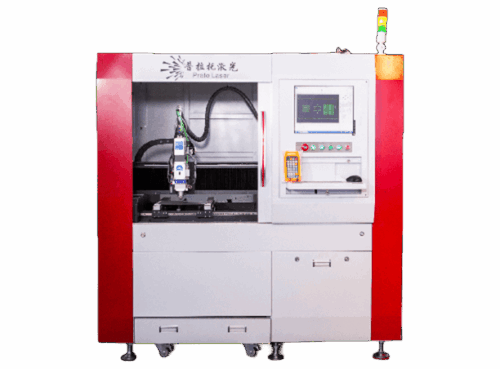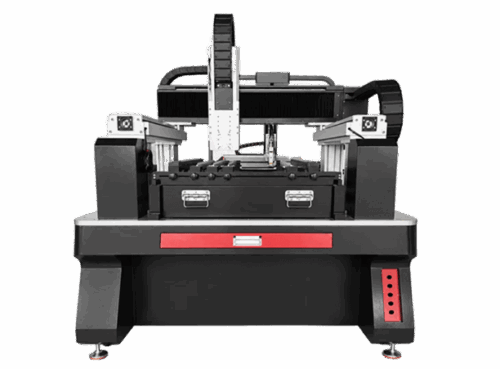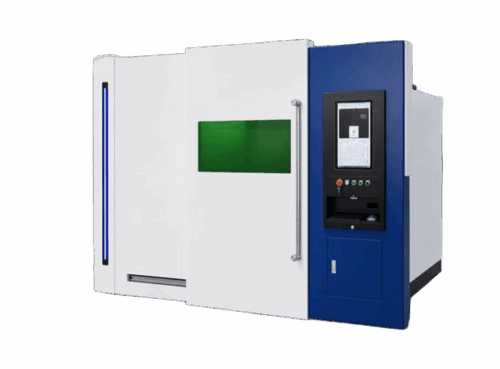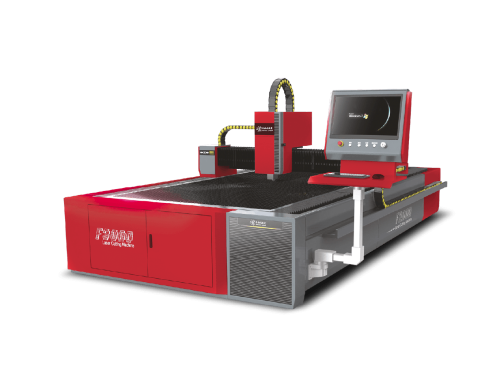


When purchasing a fiber laser cutting machine, many customers find that different suppliers offer very different prices for seemingly similar equipment.
Some machines may have a much lower quotation, while others can cost significantly more. Understanding fiber laser cutting machine price differences helps manufacturers choose the right equipment based on their production requirements. Why is there such a large price gap between different fiber laser cutting machines?
The price of a laser cutting machine is not only determined by the machine itself. Factors such as laser source, machine structure, key components, automation level, cutting size, and after-sales service all influence the final cost.
Understanding these differences can help manufacturers make a better purchasing decision instead of simply choosing the lowest price.
The laser source is one of the most important components of a fiber laser cutting machine.
Different laser powers provide different cutting capabilities and application ranges.
For example:
Low-power machines are suitable for thin metal sheets and general metal fabrication.
Higher-power machines are designed for thicker materials and higher production efficiency.
Besides power, the laser source brand also affects:
When comparing quotations, customers should confirm whether the machines use the same laser power and similar performance levels.
A 1000W fiber laser cutting machine and a 6000W laser cutting machine may look similar in appearance, but their applications and production capabilities are completely different.
Many buyers focus mainly on the laser source but overlook the importance of the machine bed structure.
A high-quality laser cutting machine usually features:
During high-speed cutting operations, machine stability directly affects cutting precision and production consistency.
Even if two machines use the same laser power, differences in machine design and manufacturing standards can lead to significant price differences.
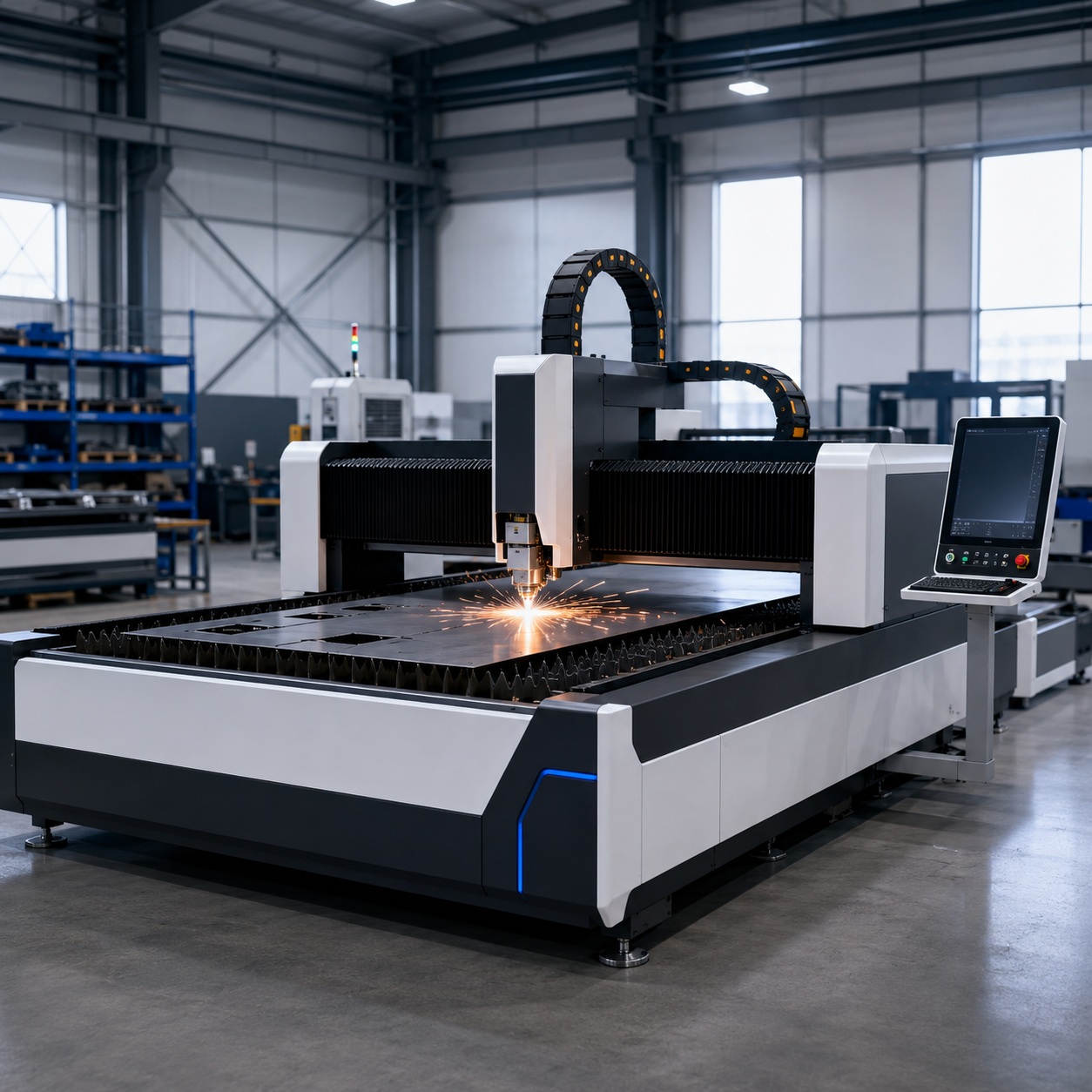
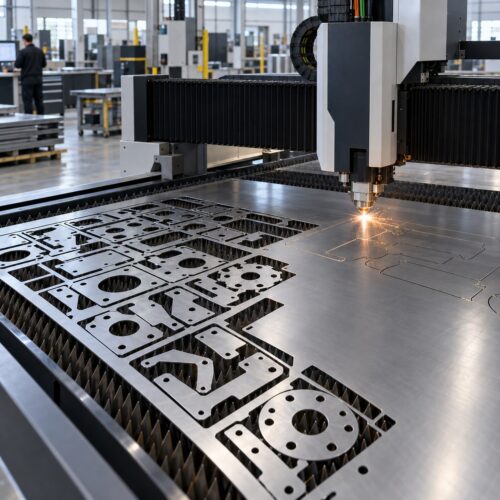
A reliable Fiber Laser Cutting Machine is not only about the laser source, but also about the overall mechanical performance.
Fiber laser cutting machines are available with different configurations, which directly affect the final quotation.
Common configuration differences include:
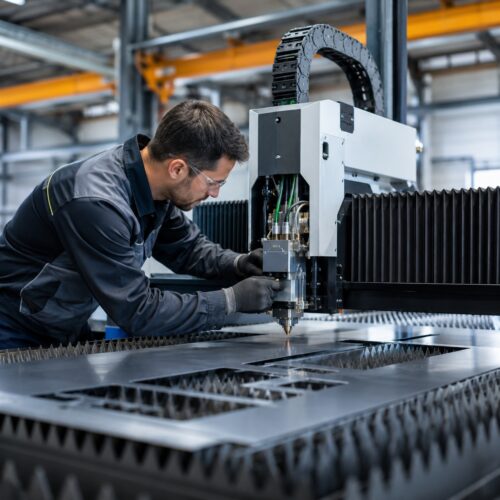
High-performance cutting heads may include automatic focusing, intelligent sensing, and improved cutting stability.
Different CNC systems provide different levels of operation convenience, cutting accuracy, and processing efficiency.
Manual exchange tables and automatic exchange platforms have different production efficiencies.
Some manufacturers choose automatic loading and unloading systems to reduce labor costs and improve production capacity.
Therefore, when comparing prices, customers should always confirm whether the equipment configuration is the same.
Fiber laser cutting machines are available in different working sizes, such as:
A larger cutting area requires:
As the working area increases, the manufacturing cost also increases.
Manufacturers should select the right cutting size based on actual production needs instead of choosing the largest model unnecessarily.
Different factories have different production requirements.
For small-batch and multi-product manufacturing, a standard Metal Laser Cutting Machine may already meet production needs.
For high-volume production, additional automation options can improve efficiency, including:
Higher automation usually increases the initial investment, but it can help reduce labor costs and improve production efficiency over time.
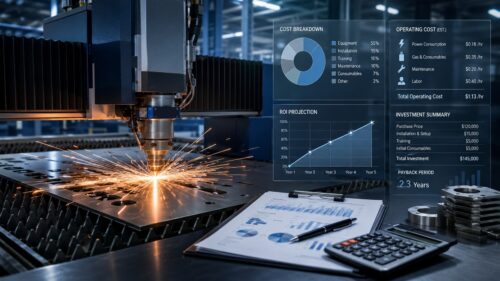
The purchase price is not the only cost when investing in a laser cutting machine.
Manufacturers should also consider:
A low-cost machine may appear attractive at the beginning, but insufficient technical support can affect production efficiency and increase long-term maintenance costs.
Choosing a supplier with manufacturing experience and reliable service support can reduce operational risks.
Different quotations usually represent differences in equipment configuration, manufacturing standards, and service capabilities.
Before comparing prices, customers should confirm:
Only when the configuration and service level are similar does price comparison become meaningful.
According to the International Federation of Robotics (IFR), manufacturing industries are increasingly moving toward automation and higher production efficiency, making equipment performance and long-term value important considerations for manufacturers.
The price difference usually comes from differences in laser source, machine structure, components, automation level, cutting size, and after-sales service.
Not necessarily. The best machine depends on your materials, production requirements, and processing needs.
Besides cost, customers should evaluate machine stability, core components, cutting performance, technical support, and after-sales service.
Even with the same power, machines may use different laser sources, cutting heads, CNC systems, machine structures, and manufacturing processes.
Choose a supplier that can provide sample testing, technical support, machine training, and long-term service.
The price difference between fiber laser cutting machines is caused by many factors, including core components, machine design, automation level, and service capability.
When purchasing a laser cutting machine, manufacturers should not focus only on the lowest quotation. A suitable machine configuration can provide better cutting performance, higher production efficiency, and lower long-term operating costs.
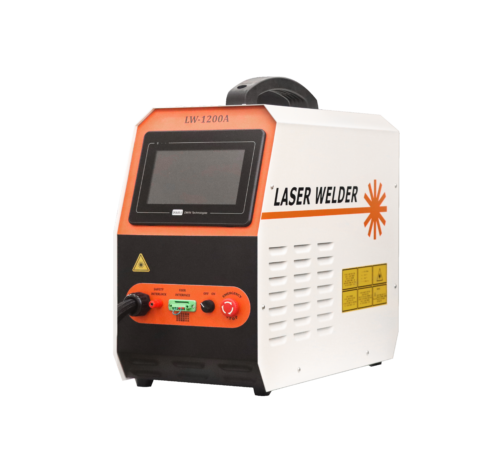
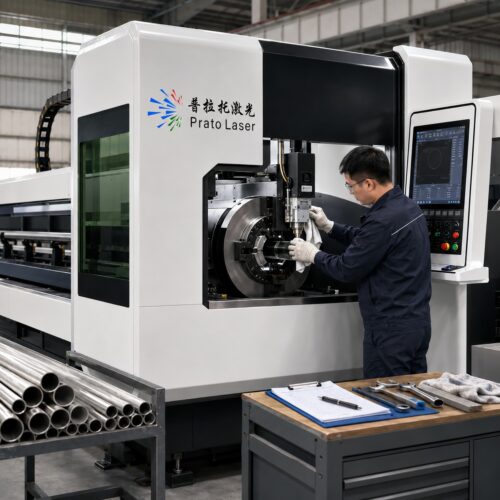
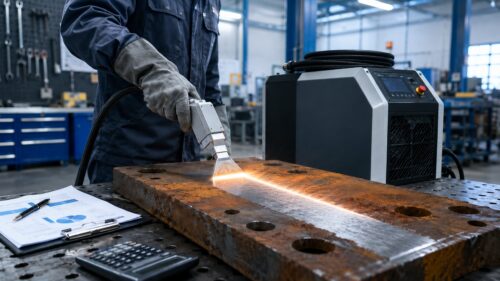
Prato Laser provides professional laser solutions including Fiber Laser Cutting Machines, laser welding machines, tube laser cutting machines, laser cleaning machines, and laser marking machines.
For a suitable laser cutting solution, please contact Prato Laser.

English