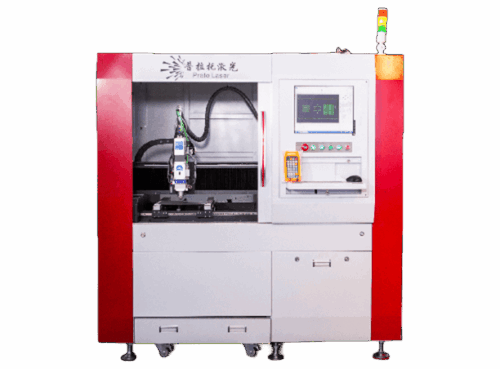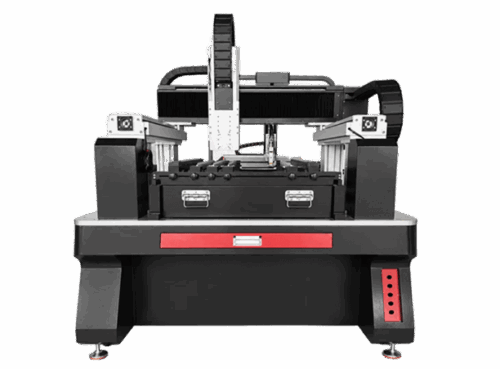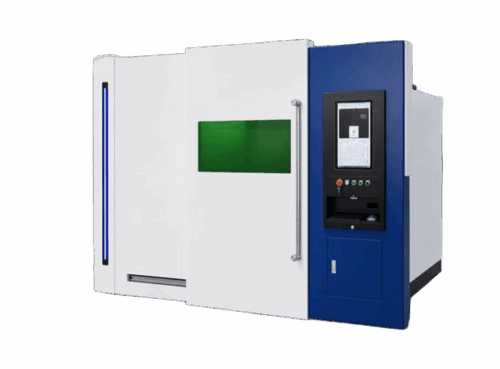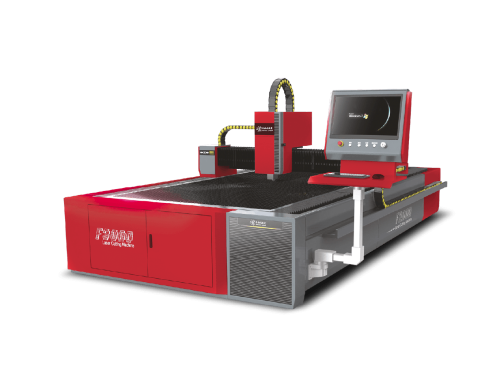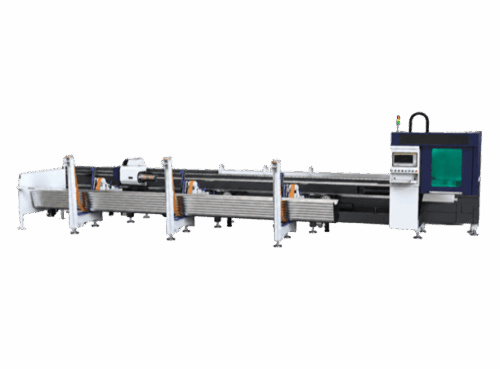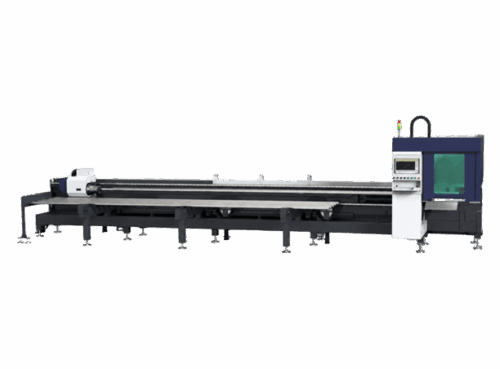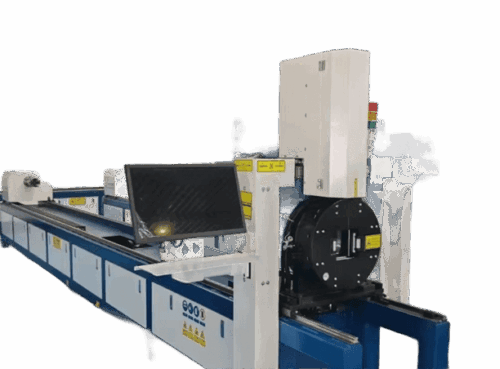


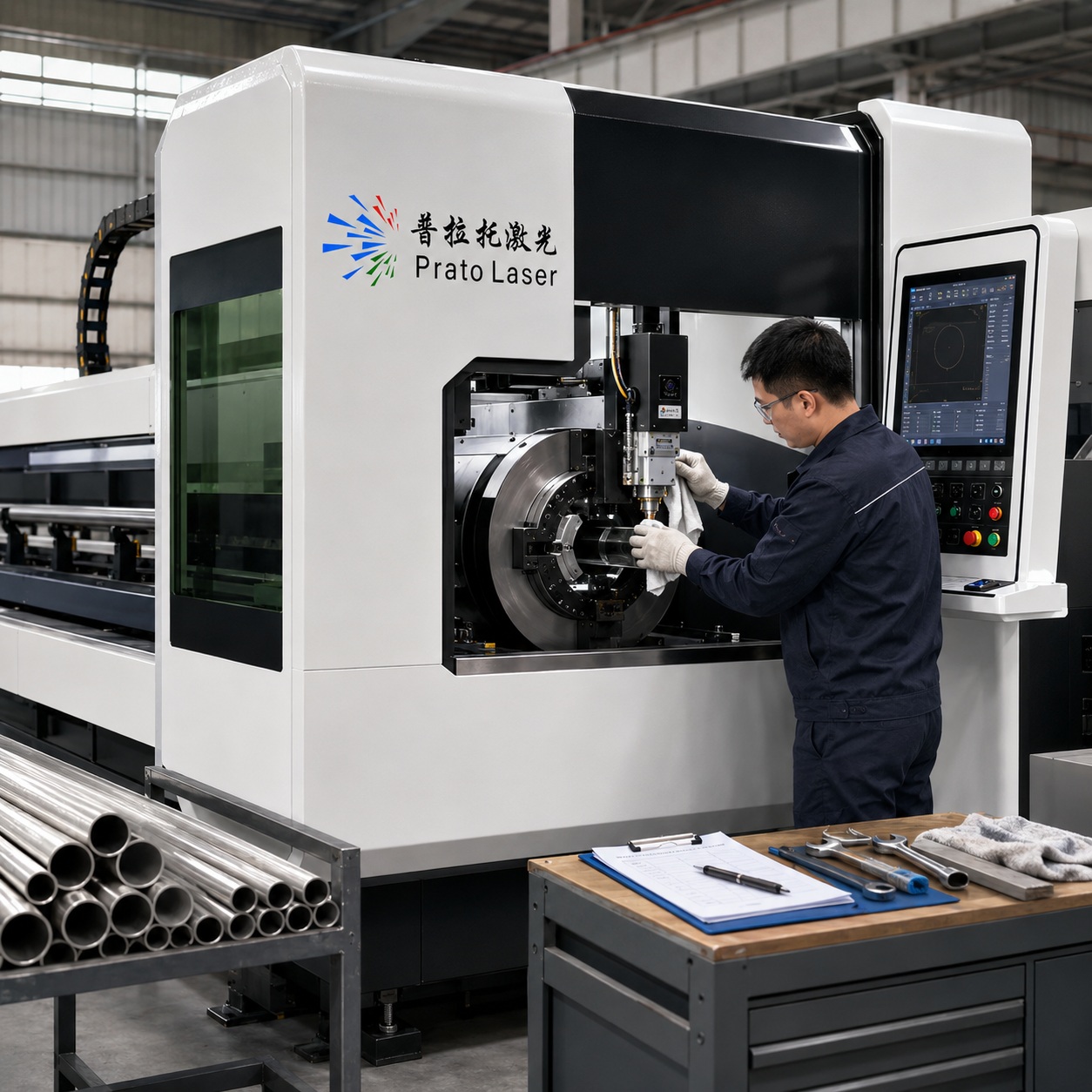
A laser tube cutting machine is an important tool for metal tube processing. It can cut round tubes, square tubes, rectangular tubes, and other metal profiles with high speed, flexible shapes, and stable accuracy. However, to keep the machine working well in daily production, regular maintenance is essential.
Good maintenance helps reduce unexpected downtime, improve cutting quality, extend machine life, and keep production more stable. For manufacturers that rely on tube cutting for batch production, daily inspection and preventive maintenance are just as important as machine configuration.
Laser tube cutting involves many systems working together, including the laser source, cutting head, nozzle, lens, chuck, guide rail, gas system, cooling system, electrical system, and control software.
If one part is dirty, loose, blocked, or poorly adjusted, the final cutting result may be affected. Common problems such as burrs, dross, unstable cutting, inaccurate holes, tube vibration, and incomplete cutting can sometimes be related to poor maintenance.
Regular maintenance does not only solve problems after they appear. It helps prevent problems before they affect production.
Daily maintenance should be simple, quick, and consistent. Operators can check the basic condition of the machine before starting production and after finishing work.
Metal tube cutting produces dust, slag, small metal pieces, and cutting residue. If these materials stay around the machine for too long, they may affect movement, clamping, and safety.
Operators should clean the working area, remove waste materials, and keep the machine bed and surrounding floor organized. A clean workshop also helps reduce safety risks.
The nozzle plays an important role in gas flow and cutting quality. If the nozzle is blocked, damaged, or misaligned, the assist gas may not flow properly through the cutting area.
Before cutting, operators should check whether the nozzle is clean and in good condition. If the nozzle is burned, deformed, or blocked, it should be cleaned or replaced in time.
The protective lens helps protect the cutting head from dust, smoke, and spatter. If the lens is dirty or damaged, laser energy transmission may be reduced, causing poor cutting quality or incomplete cutting.
Operators should inspect the protective lens regularly. When cleaning the lens, use proper cleaning tools and avoid touching the surface directly with fingers.
Assist gas is used to remove molten metal, improve cutting quality, and protect the cutting area. Unstable gas pressure may cause burrs, dross, rough edges, or incomplete cutting.
Before production, operators should confirm that the gas pressure is stable and suitable for the material and thickness being processed.
Stable clamping is important for accurate tube cutting. If the chuck does not clamp the tube firmly, the tube may move or vibrate during cutting.
Operators should check whether the chuck is clean, whether the clamping force is suitable, and whether the tube is properly positioned before cutting.
Weekly maintenance should focus on parts that affect movement, positioning, and long-term stability.
Guide rails, racks, and transmission parts support machine movement. Dust, metal particles, and oil contamination may affect motion accuracy and increase wear.
Operators should clean guide rails and related transmission parts according to the maintenance instructions. Lubrication should also be checked and added when needed.
The chuck is one of the key parts of a laser tube cutting machine. It holds and rotates the tube during cutting. If the chuck is dirty, worn, or poorly adjusted, cutting accuracy may be affected.
Weekly inspection should include chuck surface cleaning, clamping condition, rotation stability, and air pressure connection.
Long tubes need proper support during feeding and cutting. If the support system is not adjusted correctly, tubes may bend, shake, or rotate unevenly.
Operators should check support rollers, brackets, and adjustment parts to make sure the tube remains stable during processing.
The cutting head should move smoothly and respond accurately to the control system. If movement is abnormal, operators should stop production and check the related mechanical or electrical components.
A stable cutting head helps maintain consistent focus distance and better cutting quality.
Monthly maintenance should be more detailed and should focus on machine stability, calibration, and system performance.
Over time, mechanical movement and positioning accuracy may change slightly. Regular calibration helps maintain dimensional accuracy, especially for parts that require accurate holes, slots, angles, and connection positions.
If the final tube parts show repeated size deviation, calibration should be checked as soon as possible.
Electrical cabinets, wiring, connectors, switches, and sensors should be checked regularly. Loose wiring or poor connections may cause unstable operation or unexpected alarms.
Operators should keep the electrical cabinet clean and dry. Maintenance should be done by trained personnel.
The cooling system helps maintain stable laser source and cutting head temperature. If cooling performance is poor, it may affect machine stability and laser output.
Operators should check water level, water quality, temperature settings, filters, and cooling system alarms according to the machine requirements.
Cutting parameters should be reviewed based on actual production results. If materials, thickness, or tube shapes change, operators should update cutting parameters accordingly.
Saved programs and cutting files should also be organized to avoid using wrong files in production.
Good maintenance directly supports better cutting quality. To keep the machine stable, manufacturers should build a clear maintenance routine.
First, assign trained operators to check key parts regularly. Second, record common problems, parameter changes, and maintenance actions. Third, replace worn parts before they cause serious production issues.
For factories with heavy daily production, preventive maintenance is especially important. Waiting until the machine stops can lead to longer downtime and higher repair costs.
Small burrs, dross, or size deviation may be early signs of maintenance issues. If operators ignore these problems, the cutting result may become worse over time.
A damaged nozzle can affect gas flow and cutting quality. Replacing nozzles on time is a simple but important maintenance step.
Improper lens cleaning may scratch or damage the surface. Operators should follow the correct cleaning method and use suitable tools.
Dust, slag, and metal waste around the machine may affect both safety and machine performance. A clean workshop supports more stable production.
Without maintenance records, it is difficult to know when parts were last checked, cleaned, or replaced. Records help factories manage machine condition more effectively.
Maintenance should always be done safely. Before cleaning or inspecting machine parts, operators should follow the machine manual and make sure the equipment is in a safe condition. For general industrial laser safety information, manufacturers can refer to laser safety guidance from OSHA.
Operators should wear suitable protective equipment and avoid touching optical or electrical components without proper training.
Basic cleaning and inspection should be done every day. Guide rails, chucks, support systems, and gas systems can be checked weekly. Calibration, electrical systems, and cooling systems should be checked regularly based on production frequency.
Poor maintenance can cause dirty lenses, blocked nozzles, unstable gas pressure, loose clamping, poor movement, and inaccurate positioning. These problems may lead to burrs, dross, incomplete cutting, vibration, and size deviation.
Operators should check the nozzle, protective lens, gas pressure, chuck clamping, tube support, working area, and basic machine status before daily production.
To reduce downtime, factories should follow a preventive maintenance schedule, replace worn parts in time, keep maintenance records, and train operators to identify early signs of machine problems.
Yes. The chuck should be cleaned and inspected regularly because it affects tube clamping, rotation stability, and cutting accuracy. Poor chuck condition may cause tube movement or vibration during cutting.
The protective lens should be replaced when it is dirty, burned, scratched, cracked, or cannot be cleaned properly. A damaged lens can reduce laser transmission and affect cutting performance.
Yes. Prato Laser can provide machine guidance and support for different laser tube cutting solutions based on the machine model, production conditions, and customer requirements.
Regular maintenance is essential for keeping a laser tube cutting machine stable, accurate, and efficient. Daily cleaning, nozzle inspection, lens protection, gas pressure checking, chuck maintenance, guide rail cleaning, cooling system inspection, and calibration all help improve long-term production performance.
For manufacturers, maintenance is not only a technical task. It is also a way to reduce downtime, improve cutting quality, and protect production efficiency.
Prato Laser provides laser cutting, welding, marking, and cleaning solutions for metal processing industries. If you need a suitable tube cutting machine or maintenance guidance for your production line, you can contact Prato Laser for support.


English