

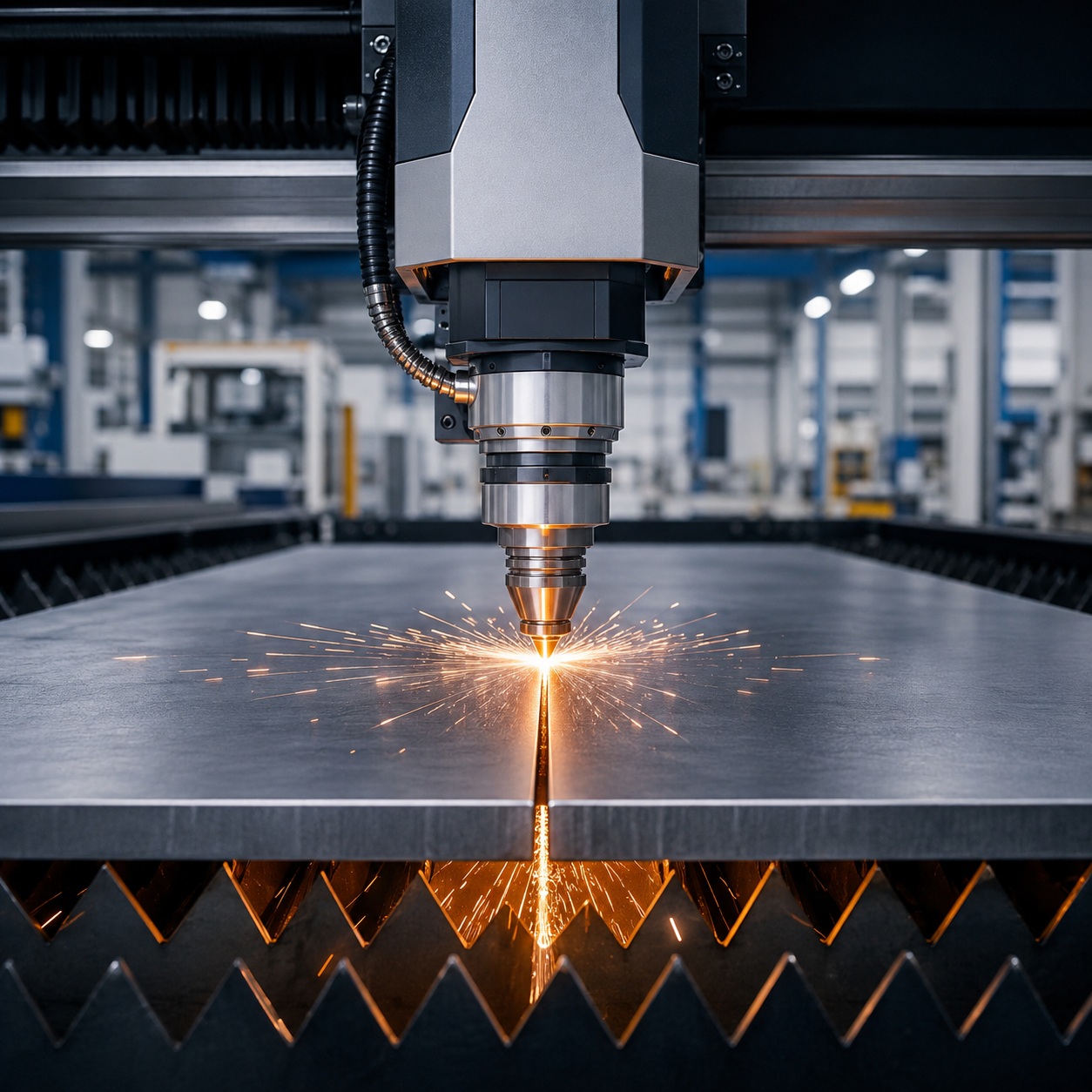
Laser cutting kerf refers to the width of material removed by the laser beam during the cutting process. Although the kerf is usually very narrow, even a small change can affect part dimensions, fitting accuracy, material utilization, and overall cutting quality.
For manufacturers producing precision sheet metal parts, understanding laser cutting kerf is important when setting cutting parameters and preparing CAD or nesting files.
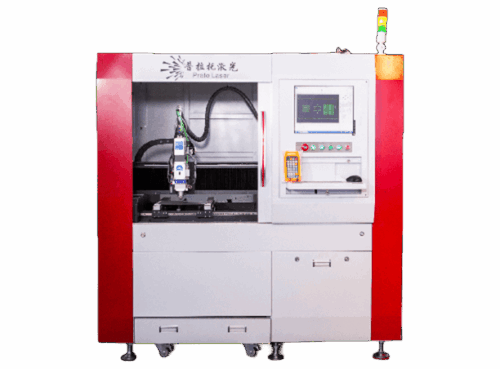
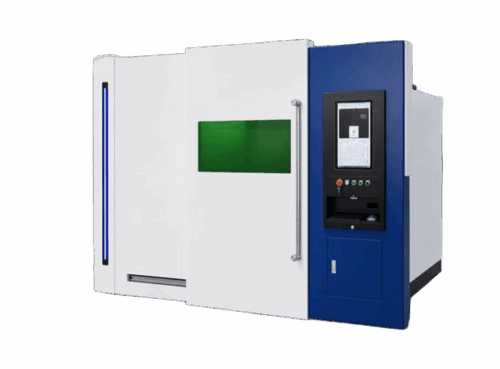
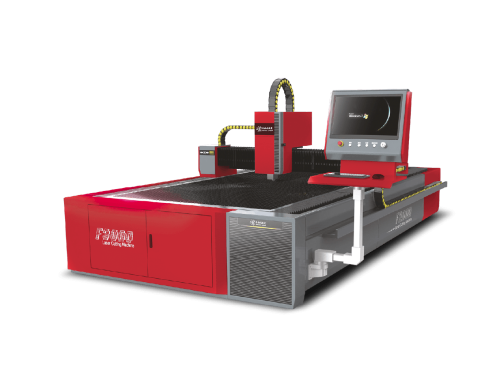
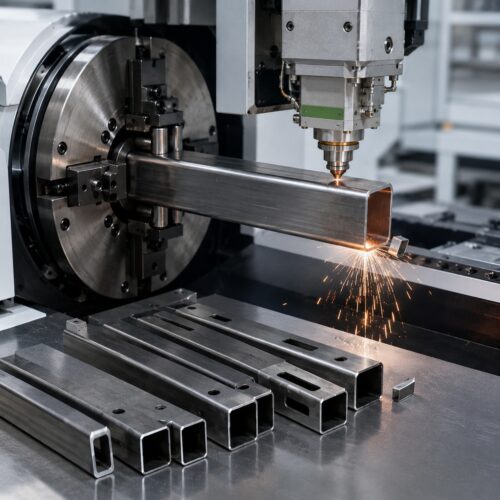
Modern fiber laser cutting machines are designed to provide stable beam control and precise motion, helping manufacturers achieve consistent cutting results across different materials and thicknesses.
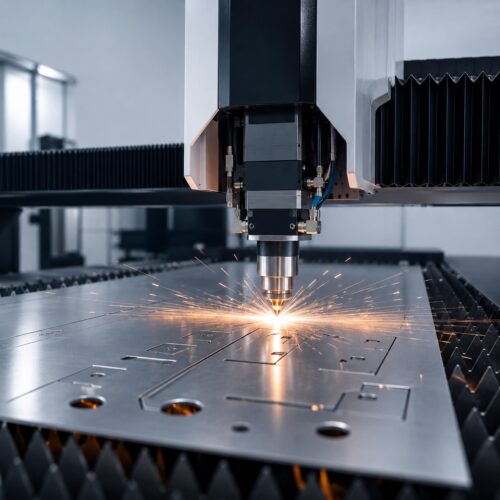
When a laser beam cuts through metal, it melts or vaporizes a narrow section of material. This removed area forms the cutting kerf.
Laser cutting generally produces a much narrower kerf than many traditional cutting processes, which makes it suitable for complex contours, small features, and precision parts.
According to TRUMPF, laser cutting can produce a kerf that is only slightly wider than the laser beam, helping manufacturers process detailed shapes with high accuracy.
However, the actual kerf width is not fixed. It changes depending on the cutting conditions.
Laser power directly affects the amount of energy delivered to the material.
If the power is too high for the material thickness, more material may be melted, which can increase kerf width.
If the power is too low, the laser may not fully penetrate the sheet or may create unstable cutting results.
The correct power setting should therefore match the material type and thickness.
Cutting speed is another important factor.
A slower cutting speed keeps the laser beam in contact with the material for longer, increasing heat input and potentially widening the kerf.
If the cutting speed is too fast, the beam may not remove enough material, resulting in incomplete cutting or poor edge quality.
Finding the right balance between laser power and cutting speed is essential for maintaining consistent kerf width.
The focus position determines where the laser beam reaches its smallest diameter.
Incorrect focus settings can increase the effective beam diameter at the cutting surface and affect kerf shape.
For precision applications, operators should adjust the focus position according to:
Stable focus control is especially important when cutting small or detailed components.
Thicker materials generally require more laser energy and longer interaction between the laser beam and the workpiece.
As material thickness increases, the kerf may become wider or develop different widths at the top and bottom of the cut.
Operators should therefore use cutting parameters specifically matched to each sheet thickness.
The cutting nozzle controls the flow of auxiliary gas through the cutting area.
A damaged, contaminated, or misaligned nozzle can disturb the gas flow and affect material removal.
Regular inspection of the nozzle helps maintain stable cutting performance and consistent kerf width.
Oxygen, nitrogen, and compressed air interact differently with molten material during laser cutting.
Gas pressure, purity, and flow can influence:
Stable gas supply is therefore an important part of controlling the cutting process.
When a laser cuts along a programmed path, some material is removed on both sides of the cutting line.
If the kerf is not properly compensated for, the finished part may be slightly smaller or larger than the design dimensions.
This becomes especially important for:
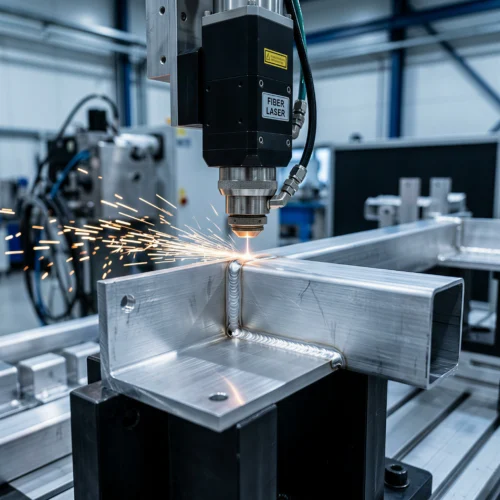
In metal fabrication, many parts must fit together during welding, bending, or final assembly.
Small dimensional differences can create gaps or alignment problems.
Consistent kerf control helps improve part fit and reduce additional adjustment work.
Kerf width also affects nesting.
When parts are arranged closely on a sheet, accurate kerf compensation allows manufacturers to optimize spacing while reducing unnecessary material waste.
This is particularly valuable in high-volume sheet metal production.
Kerf variation between different parts or production batches can indicate unstable cutting parameters or machine conditions.
Monitoring kerf width can help operators identify issues related to:
This makes kerf an useful indicator of overall cutting stability.
Kerf compensation means adjusting the cutting path so that the final part dimensions match the CAD design.
For example, when cutting the outside contour of a component, the machine control system can offset the cutting path based on the expected kerf width.
For internal holes or slots, the compensation direction is reversed.
Modern CNC laser cutting systems can handle this automatically once the correct kerf value is entered.
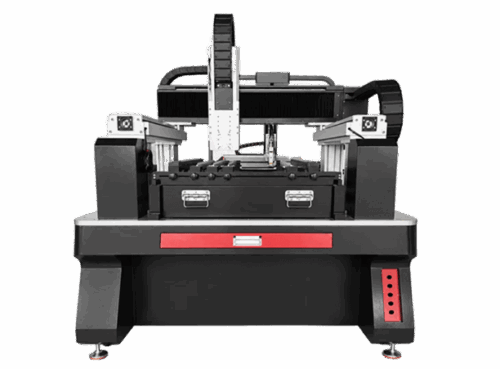
For manufacturers working with small components or tight tolerances, a precision laser cutting machine can provide greater control over detailed cutting applications.
Manufacturers can improve kerf consistency by following several basic practices:
When changing material thickness or material type, operators should verify cutting parameters instead of using the same settings for every job.
Kerf is the narrow width of material removed by the laser beam during the cutting process.
Yes. Higher laser power can increase heat input and may widen the kerf if the cutting parameters are not properly matched.
Kerf compensation helps ensure that finished parts match the dimensions specified in the CAD drawing.
Yes. Thicker materials usually require different power, speed, focus, and gas settings, which can affect kerf width.
Stable machine settings, clean optics, proper nozzle alignment, correct focus, and consistent auxiliary gas supply can help improve kerf consistency.
Laser cutting kerf may only represent a very small amount of removed material, but it has an important effect on dimensional accuracy, part fit, material utilization, and production consistency.
By controlling laser power, cutting speed, focus position, nozzle condition, and auxiliary gas, manufacturers can maintain a more stable kerf and achieve better cutting results.
Prato Laser provides fiber laser cutting machines for sheet metal processing, including solutions for standard production and precision cutting applications.

English