

Thin metal sheets are widely used in sheet metal fabrication, cabinets, kitchen equipment, automotive parts, metal furniture, and precision components. However, welding thin materials can be challenging because excessive heat can quickly cause burn-through, warping, or visible deformation.
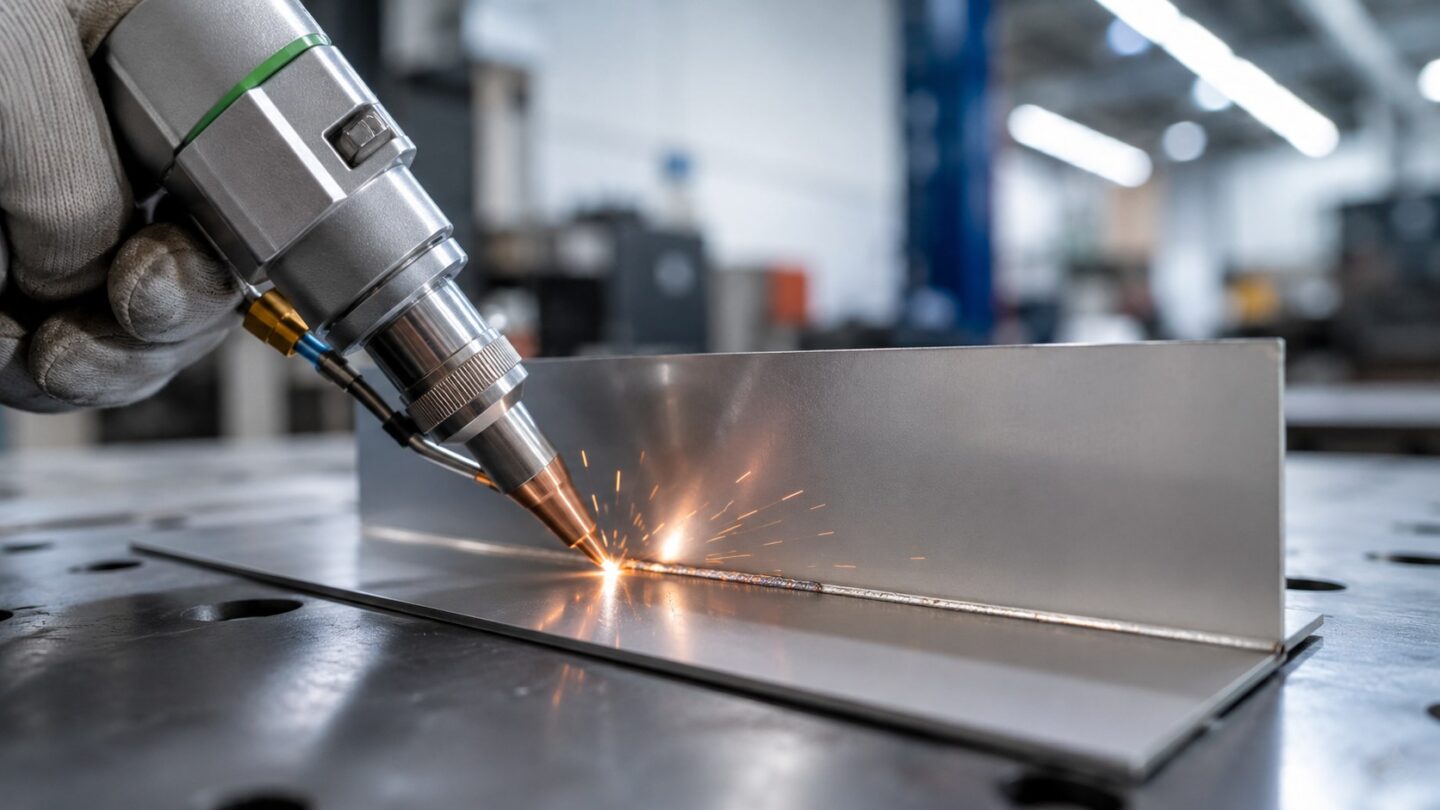
Compared with traditional welding methods, laser welding provides concentrated energy and a relatively small heat-affected zone, making it suitable for many thin sheet applications. According to the American Welding Society, laser welding can produce narrow welds with minimal thermal distortion when the process is properly controlled.
To achieve stable results, manufacturers need to carefully manage laser power, welding speed, focus position, joint fit-up, and shielding gas.
Thin sheet metal has less material available to absorb and distribute welding heat.
When too much energy is concentrated in one area, the metal can melt excessively before the welding head moves forward. This may result in:
The thinner the material, the smaller the acceptable processing window becomes.
This is why thin metal laser welding requires more precise parameter control than many thicker-material applications.
Deformation is mainly caused by uneven heating and cooling.
During welding, the area around the weld expands as temperature rises. After the weld cools, the material contracts.
If too much heat enters a small area, this expansion and contraction can cause:
Reducing unnecessary heat input is therefore one of the most effective ways to control deformation.
Laser power should match the material thickness and welding speed.
For thin sheets, excessive power can create a large molten pool and increase the risk of burn-through.
Operators should start with appropriate parameters for the material and gradually adjust them based on penetration and weld appearance.
The goal is not to use the highest possible power, but to use enough energy to create a stable weld without overheating the sheet.
Welding speed determines how long the laser beam remains over a particular area.
If the welding speed is too slow, heat accumulates and increases the risk of burn-through and distortion.
Increasing the welding speed can reduce heat input per unit length, but moving too fast may cause:
Laser power and welding speed should therefore be adjusted together.
The laser focus affects the energy density delivered to the workpiece.
A tightly focused beam can create very high energy concentration. For some thin sheet applications, slightly adjusting the focus position can help control penetration and stabilize the molten pool.
The correct focus position depends on:
Before batch production, sample welding is recommended to verify the parameter combination.
Handheld laser welding systems often support beam wobble or oscillation.
The wobble width influences how laser energy is distributed across the weld area.
A suitable wobble setting can help:
However, an overly large wobble width can reduce energy density and affect weld strength.
Operators should select the wobble pattern and width according to the joint and sheet thickness.
Joint fit-up is particularly important in laser welding.
Large or inconsistent gaps may require more filler material or more heat to bridge the joint, which can increase deformation.
For thin metal sheets, keeping the workpieces accurately positioned helps achieve a more stable weld.
Useful measures include:
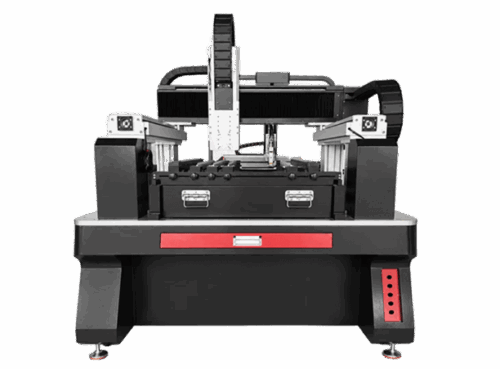
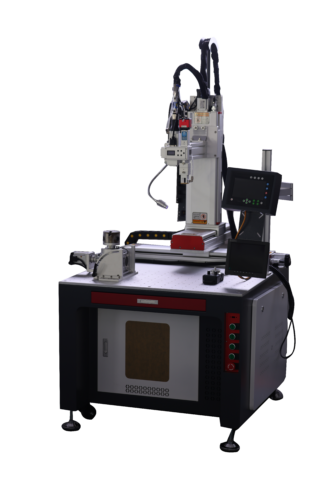
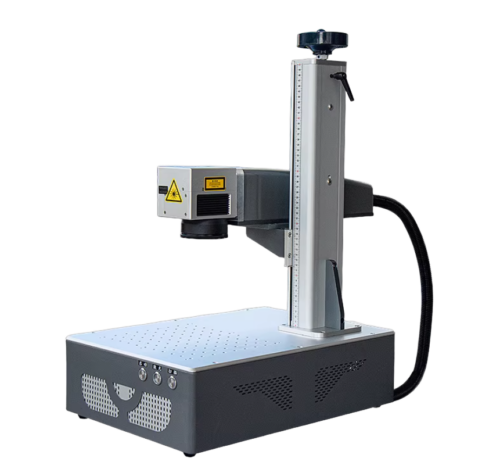
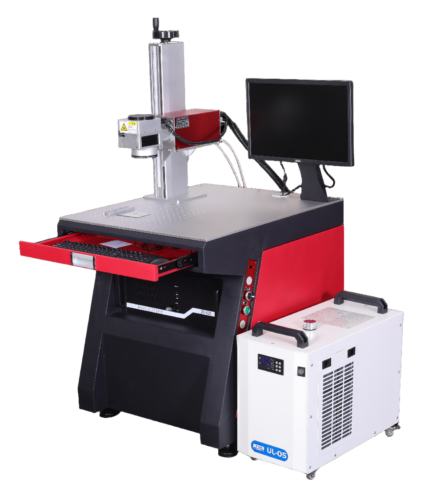
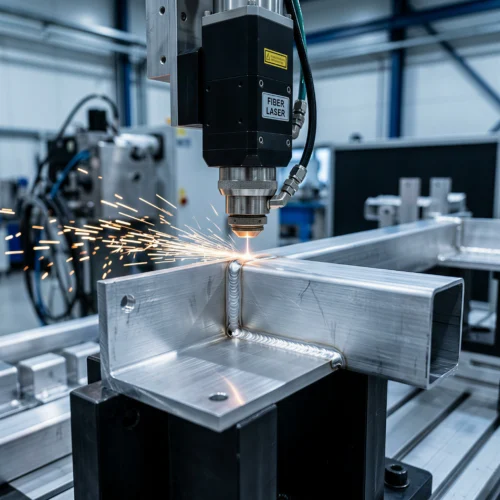
For repeatable precision welding, a platform automatic laser welding machine can provide more stable positioning and controlled welding paths for small parts and batch production.
Shielding gas helps protect the molten weld pool from oxidation.
Gas type, pressure, and flow should be adjusted according to the welding material and process.
Poor shielding may result in:
At the same time, excessive gas pressure may disturb the molten pool, especially on thin materials.
A stable and properly directed shielding gas flow is therefore important.
Fixtures can help control movement during heating and cooling.
For thin sheet fabrication, proper clamping can:
However, excessive clamping force should also be avoided because it may introduce additional stress.
Stainless steel is commonly used in cabinets, kitchen equipment, enclosures, and decorative metal products.
Thin stainless steel can usually achieve clean and narrow weld seams with laser welding, but excessive heat can still cause visible distortion or discoloration.
Stable welding speed and shielding gas control are important.
Thin carbon steel is widely used in sheet metal fabrication and industrial components.
Welding parameters should be controlled to avoid excessive penetration and surface deformation.
Clean workpiece surfaces also help improve weld consistency.
Aluminum requires particular attention because of its thermal conductivity and reflective characteristics.
Thin aluminum parts can be sensitive to rapid heat changes, and improper parameters may result in unstable penetration or deformation.
Sample testing and accurate process control are especially important.
Yes.
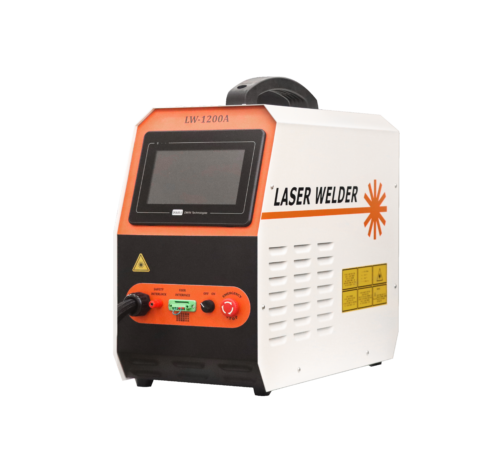
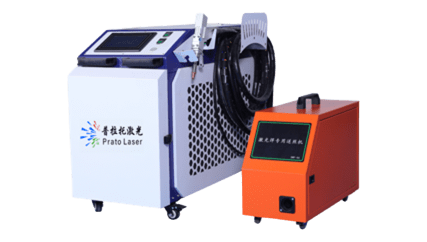
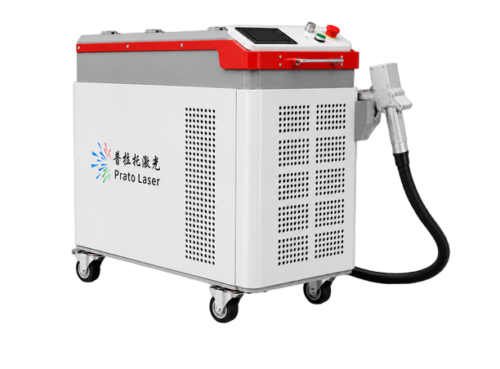
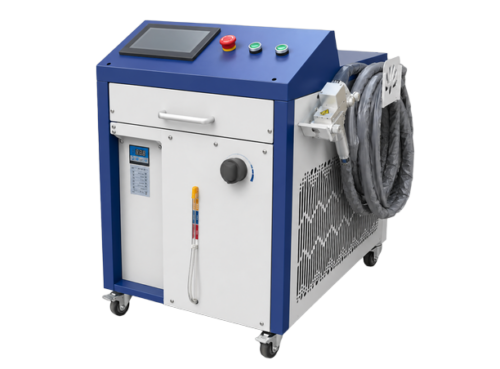
A handheld laser welding machine can be used for stainless steel, carbon steel, galvanized steel, aluminum, and other thin metal fabrication applications. Prato Laser's air-cooled models, for example, are designed for sheet metal and flexible workshop welding, with recommended welding thickness starting from 0.5 mm depending on the model.
Handheld welding is particularly suitable for applications such as:
For high-volume applications requiring highly repeatable weld positions, automated or platform welding systems may provide better consistency.
For better production results, manufacturers should:
A stable welding process is usually achieved through a combination of these factors rather than changing only one parameter.
Burn-through usually occurs when too much laser energy is concentrated in one area. Excessive power, slow welding speed, incorrect focus, or poor joint fit-up can all contribute.
Reducing heat input, increasing welding speed appropriately, using proper fixtures, and maintaining consistent welding parameters can help minimize deformation.
Yes. Laser welding is widely used for thin stainless steel because it can provide narrow weld seams and relatively low heat input when parameters are properly controlled.
Not necessarily. Faster welding reduces heat input, but excessive speed may cause incomplete fusion or insufficient penetration. Power and speed need to be balanced.
It depends on the joint gap, material, and welding requirement. Tight-fitting joints may not require filler wire, while larger gaps may benefit from wire feeding.
Burn-through and deformation are two common challenges when welding thin metal sheets, but both can be reduced through proper process control.
The most important factors include laser power, welding speed, focus position, wobble width, joint fit-up, shielding gas, and workpiece fixation.
With the correct parameters, thin metal laser welding can produce clean weld seams with limited thermal distortion while improving production efficiency.
Prato Laser provides handheld laser welding machines and automatic platform laser welding machines for different sheet metal and precision welding requirements.

English