

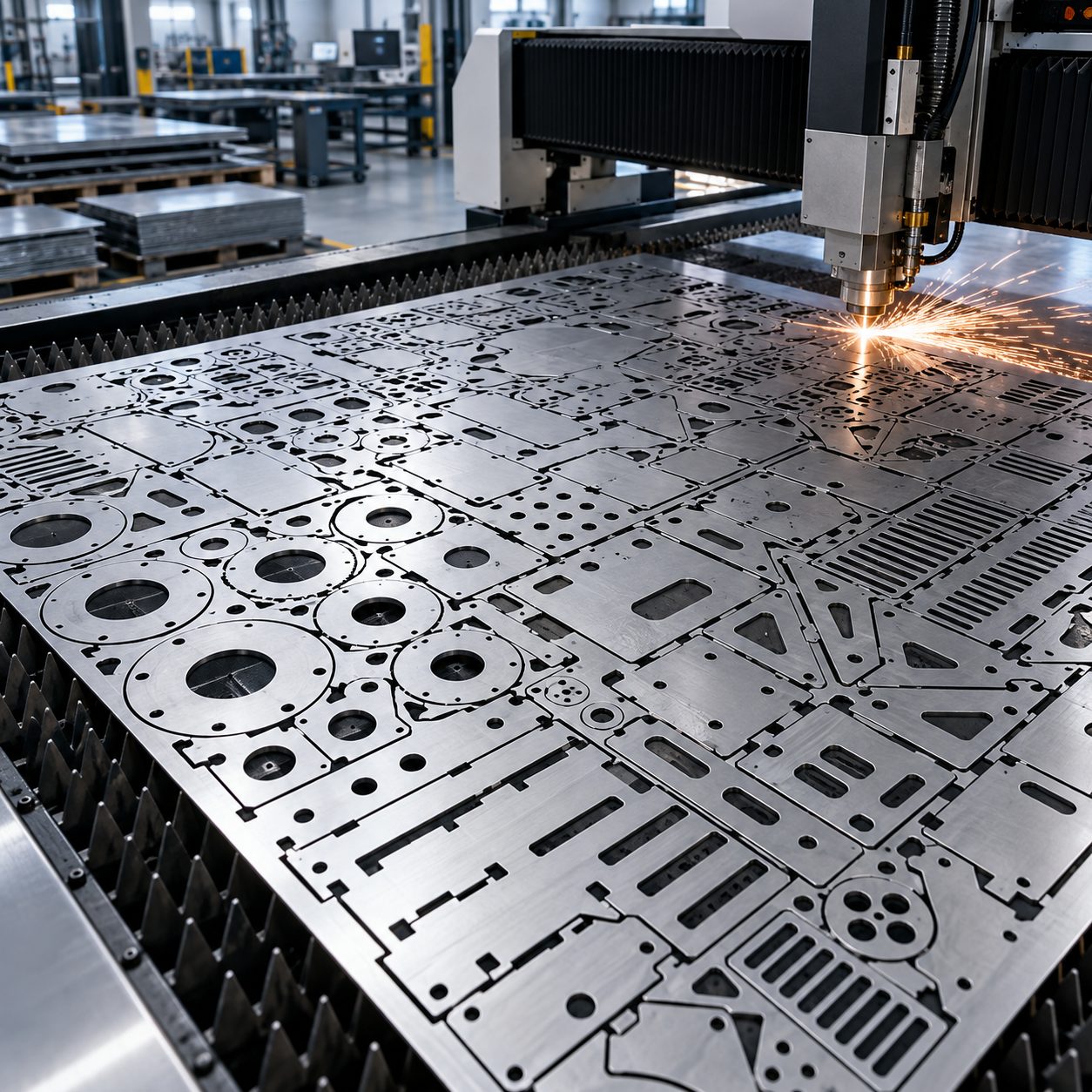
Laser cutting nesting plays an important role in sheet metal fabrication because it helps manufacturers arrange parts more efficiently on each sheet, reduce material waste, and improve overall material utilization.
Even when a laser cutting machine operates efficiently, poor part layout can leave large unused areas on the sheet and increase scrap.
This is where laser cutting nesting becomes important.
Nesting means arranging different parts on a sheet in a way that uses as much material as possible while still maintaining safe cutting distances and stable processing.
For manufacturers handling medium- or high-volume sheet metal production, better nesting can help reduce material waste, lower cost per part, and improve overall production efficiency.
Laser cutting nesting is the process of arranging multiple parts on a metal sheet before cutting.
The goal is to place parts as efficiently as possible while considering:
Modern CNC systems can automatically optimize layout based on imported drawings and production requirements.
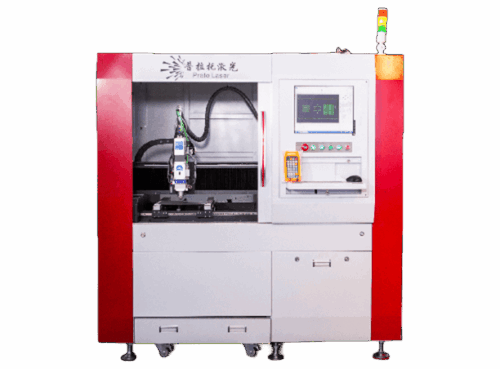
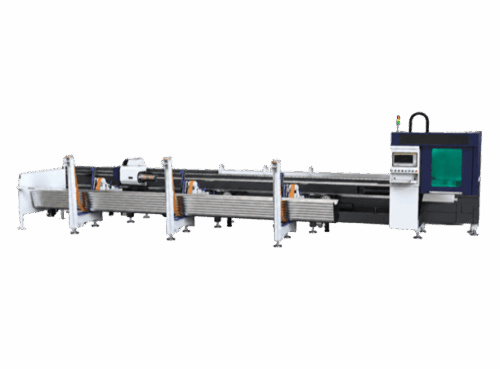
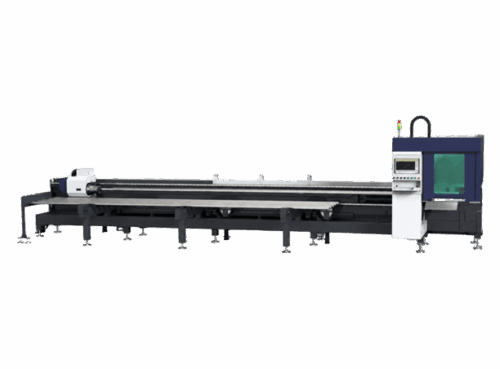
Prato Laser fiber laser cutting machines use intelligent CNC control systems that support drawing import, cutting parameter adjustment, layout optimization, and daily production management. (Prato Laser Cutting)
Improving material utilization is not only about reducing scrap.
It can also help manufacturers:
For expensive materials such as stainless steel, aluminum, brass, or copper, even a small improvement in sheet utilization can make a noticeable difference over time.
Parts need enough distance between them to ensure stable cutting, but excessive spacing wastes material.
When setting nesting distance, manufacturers should consider:
The goal is to maintain safe cutting conditions without leaving unnecessary gaps.
For some rectangular or straight-edged parts, two adjacent components can share one cutting line.
This is often called common-line cutting.
It can help:
However, common-line cutting is not suitable for every part.
Part geometry, thermal deformation, and edge quality requirements should be considered before using it.
Part orientation has a major effect on nesting efficiency.
Irregular shapes may leave large gaps if all parts are placed in the same direction.
Rotating components can help fit smaller parts into unused areas and increase the number of parts cut from each sheet.
For materials with directional surface finishes, grain direction, or bending requirements, rotation should still follow production specifications.
A sheet filled only with large parts often leaves small unused spaces.
One effective nesting strategy is to combine:
Smaller parts can be placed into gaps between larger parts.
This is especially useful for manufacturers producing multiple components from the same material and thickness.
If multiple customer orders use the same material and thickness, manufacturers can consider nesting them together.
This can reduce:
Mixed-order nesting is particularly useful for job shops and customized sheet metal production.
After cutting, some sheets may still contain usable areas.
Instead of treating them as scrap, manufacturers can record:
These remnants can then be reused for future small parts or sample production.
Proper remnant management can further improve overall material utilization.
Laser cutting removes a narrow amount of material during the cutting process.
This is known as kerf.
If kerf width is not considered during nesting, actual part dimensions and spacing may differ from the design.
Accurate kerf compensation helps maintain both dimensional accuracy and efficient layout.
For manufacturers interested in this topic, our previous article on laser cutting kerf width explains how cutting parameters affect kerf and part accuracy.
Good nesting is not only about fitting more parts onto a sheet.
The cutting sequence also matters.
A well-planned sequence can help:
In some cases, cutting smaller internal features first and larger outer contours later can improve processing stability.
Using a sheet that is much larger than the required production area may create unnecessary leftover material.
Manufacturers should select sheet dimensions according to:
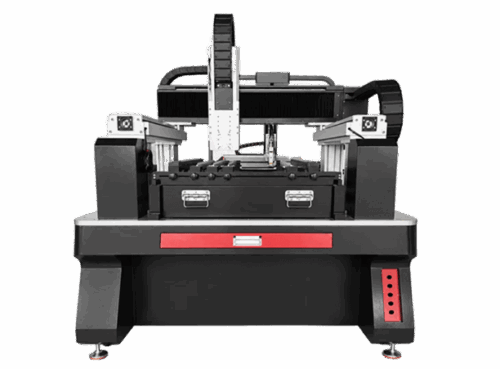
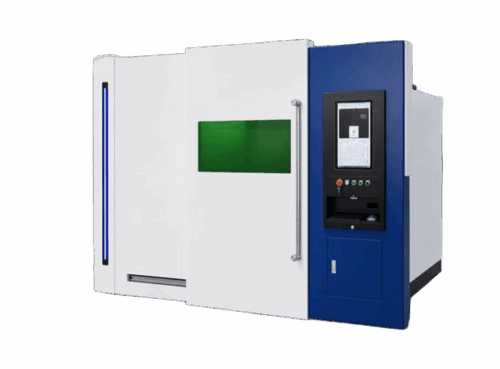
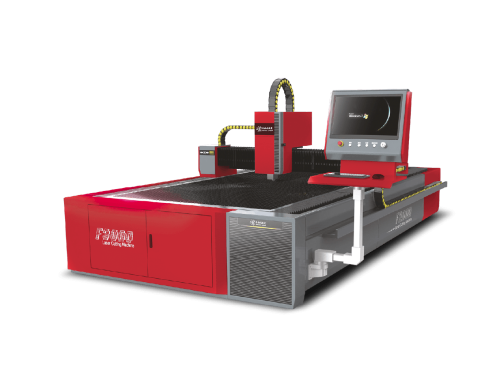
Prato Laser provides fiber laser cutting machines with different working areas, including standard and large-format sheet processing models, allowing manufacturers to match equipment size to actual production requirements. (Prato Laser Cutting)
Yes.
Automatic nesting software can compare many layout combinations much faster than manual arrangement. According to Autodesk, nesting software can optimize part placement, reduce material waste, and improve material utilization in laser cutting and sheet metal fabrication.
Depending on the software and production requirements, it may support:
However, automatic nesting should still be reviewed by experienced operators.
The layout with the highest theoretical material utilization is not always the best production layout if it creates excessive heat concentration, unstable parts, or difficult unloading.
Material Utilization vs Cutting Efficiency
Manufacturers should not focus only on fitting the maximum number of parts onto one sheet.
A good nesting strategy should balance:
For example, placing parts extremely close together may improve theoretical material utilization but increase the risk of thermal deformation or part movement.
The best nesting plan is the one that reduces waste while maintaining reliable production.
How Fiber Laser Cutting Machines Support Efficient Nesting
Modern fiber laser cutting machines combine high-speed cutting with CNC control systems that support drawing import, layout optimization, and production management.
Prato Laser offers standard and large-format fiber laser cutting systems for carbon steel, stainless steel, aluminum, galvanized sheet, brass, and other metal materials.
For manufacturers handling high-volume production, efficient nesting combined with stable cutting performance can help reduce waste and improve overall processing efficiency.
1. What is nesting in laser cutting?
Nesting is the process of arranging multiple parts on a metal sheet to maximize material utilization before laser cutting.
2. How can nesting reduce sheet metal waste?
Better part spacing, rotation, mixed-part layouts, common-line cutting, and remnant reuse can help reduce unused sheet areas.
3. Does smaller spacing always improve material utilization?
Not always. Parts still need enough distance to maintain stable cutting and avoid heat-related problems.
4. Can different orders be nested on the same sheet?
Yes, if they use the same material and thickness and production management allows mixed-order processing.
5. Is automatic nesting better than manual nesting?
Automatic nesting can significantly improve efficiency, but experienced operators should still review the layout for cutting stability and production practicality.
Conclusion
Laser cutting nesting is an important part of improving sheet metal production efficiency.
By optimizing part spacing, rotation, common-line cutting, mixed-part layouts, remnant reuse, and cutting sequence, manufacturers can increase sheet utilization and reduce material waste.
The best nesting strategy should balance material savings with cutting stability, part quality, and production efficiency.
Prato Laser provides fiber laser cutting machines with intelligent CNC control and multiple working-area options for efficient sheet metal processing.

English