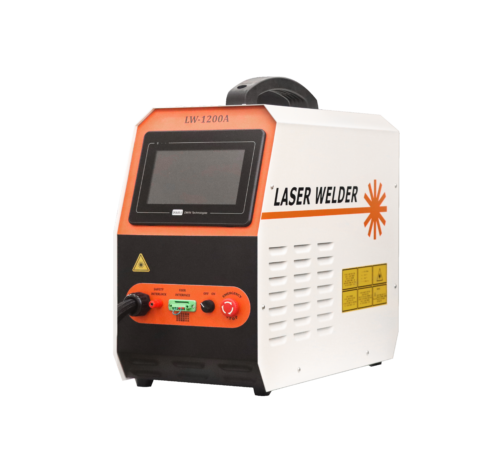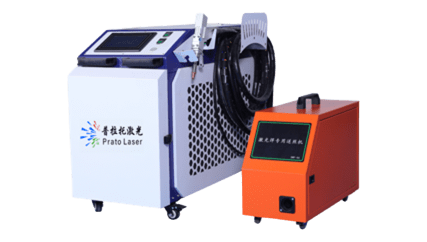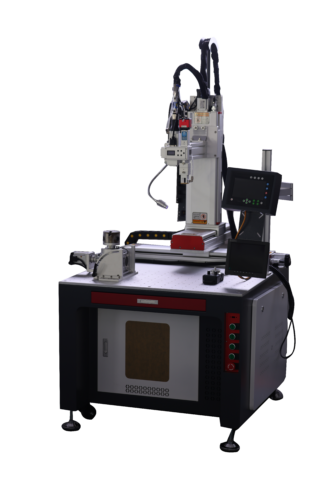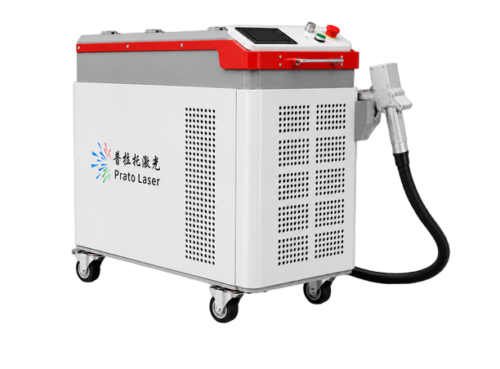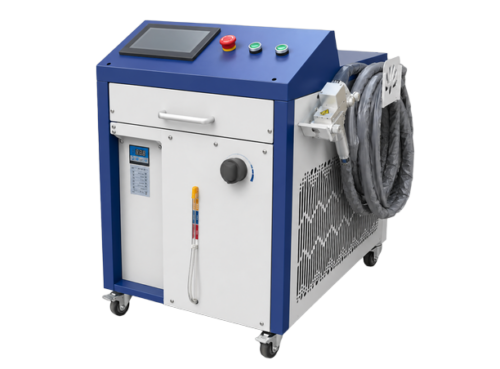


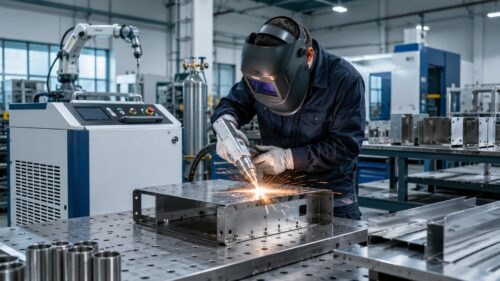
Handheld laser welding can help manufacturers achieve faster welding, lower heat input, cleaner seams, and reduced distortion compared with many traditional welding methods. It is widely used for stainless steel products, sheet metal cabinets, kitchen equipment, aluminum frames, metal furniture, automotive parts, and industrial components.
However, laser welding defects can still occur when the material surface, welding parameters, shielding gas, wire feeding, joint fit-up, or operator technique is not properly controlled.
Common problems include porosity, cracks, incomplete penetration, burn-through, undercut, spatter, uneven weld beads, and excessive deformation. Understanding the causes of these defects can help operators improve weld quality, reduce rework, and maintain stable production.
A suitable handheld laser welding machine should always be matched with correct operating parameters and proper process preparation.
Laser welding defects are usually caused by a combination of factors rather than one single problem.
The most common influencing factors include:
Dirty or oxidized material surfaces
Incorrect laser power
Welding speed that is too fast or too slow
Improper focus position
Unstable shielding gas flow
Incorrect wire feeding speed
Poor joint fit-up
Excessive gaps between workpieces
Uneven hand movement
Unsuitable parameters for the material thickness
Before changing the machine settings, operators should first check the material, joint condition, gas supply, wire feeding, and welding path.
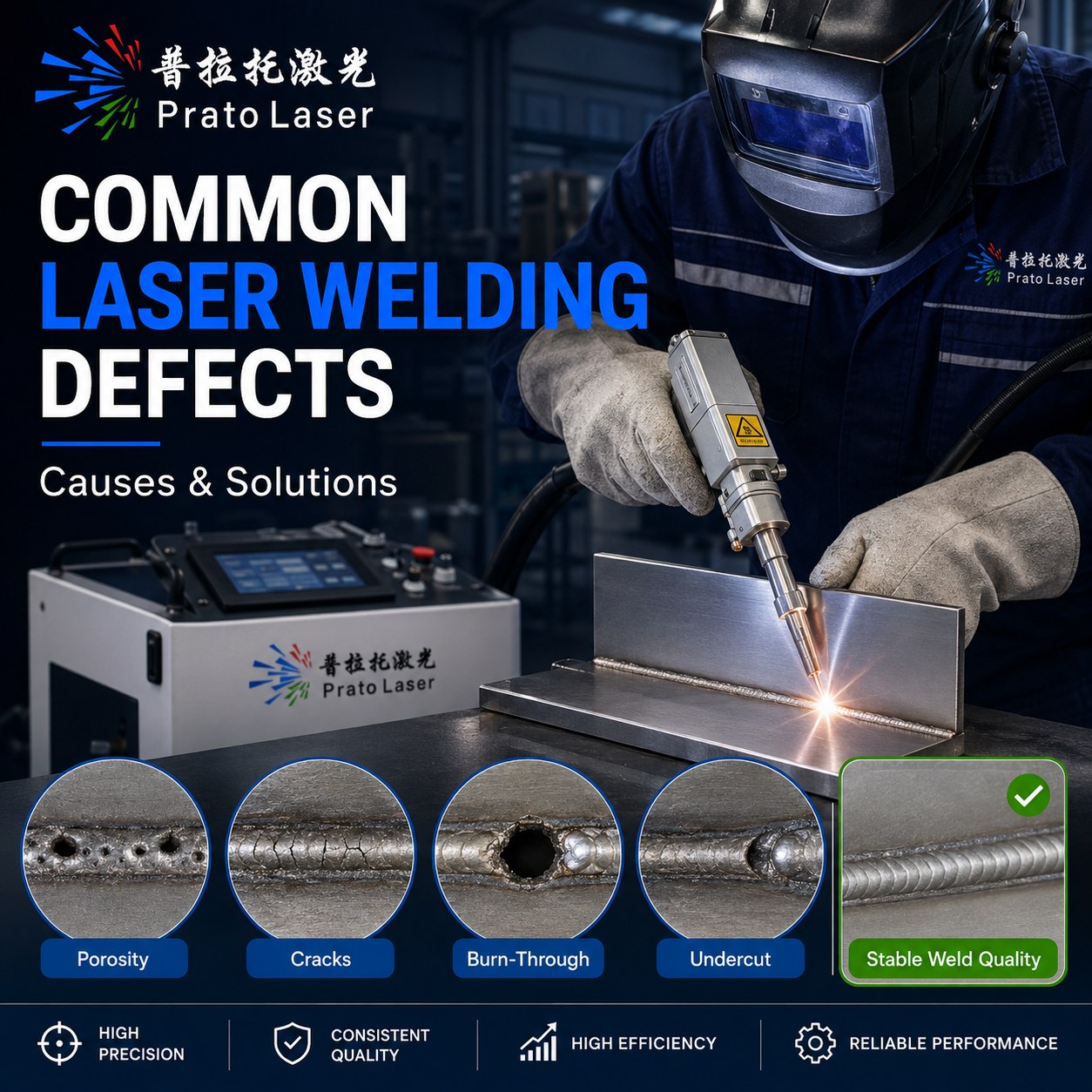
Porosity appears as small holes or cavities inside or on the surface of the weld bead. It can reduce weld strength and affect the appearance of the finished part.
Common Causes
Porosity may be caused by oil, rust, paint, moisture, or oxide layers on the workpiece. Unstable shielding gas flow, poor gas coverage, or contamination from the filler wire may also create pores.
Aluminum welding is especially sensitive because the oxide layer and surface contamination can affect weld quality. Proper cleaning and process control are important when welding aluminum.
How to Fix It
Clean the joint area before welding and remove oil, moisture, rust, paint, and oxide layers. Check whether the shielding gas is flowing continuously and whether the gas nozzle is positioned correctly.
Operators should also inspect the filler wire and make sure it is clean and suitable for the base material.
Incomplete penetration occurs when the weld does not fully join the workpieces through the required depth. This can weaken the joint and cause failure during later use.
Common Causes
The laser power may be too low, the welding speed may be too fast, or the focus position may be incorrect. A joint gap that is too large or poor welding-head positioning can also reduce penetration.
How to Fix It
Increase the laser power gradually or reduce the welding speed. Check the focus position and keep the welding head at the correct angle and distance.
The workpieces should fit together properly before welding. Large or inconsistent gaps should be corrected before production.
Burn-through happens when the laser creates a hole or causes excessive melting in the workpiece. This problem is common when welding thin sheet metal.
Common Causes
Excessive laser power, slow welding speed, repeated heating in one area, or poor joint fit-up may cause burn-through.
Thin stainless steel and aluminum parts are especially sensitive to excessive heat input.
How to Fix It
Reduce laser power, increase welding speed, or adjust the oscillation width. Avoid stopping the welding head in one position for too long.
For very thin materials, trial welding should be carried out before batch production.
Cracks may appear during welding or after the joint cools. They can seriously affect weld strength and product reliability.
Common Causes
Cracks may be related to rapid cooling, unsuitable filler wire, material composition, excessive heat concentration, contamination, or high internal stress.
Some materials, especially certain aluminum alloys, require more careful parameter control and filler-material selection.
How to Fix It
Confirm that the filler wire is compatible with the base material. Clean the workpiece carefully and avoid excessive heat concentration.
Operators should adjust the welding sequence, speed, and power to reduce thermal stress. For crack-sensitive materials, process testing may be necessary before mass production.
Undercut appears as a groove along the edge of the weld bead. It reduces the effective thickness of the joint and may weaken the weld.
Common Causes
Undercut is often caused by excessive power, fast welding speed, a poor welding angle, or unstable hand movement.
How to Fix It
Reduce power slightly, slow the welding speed, and maintain a stable welding angle. The welding head should move smoothly along the joint.
Operators should avoid moving too quickly along the weld edge.
Laser welding usually produces less spatter than many traditional welding methods, but spatter may still occur under unstable conditions.
Common Causes
Possible causes include excessive power, an incorrect focus position, dirty material surfaces, unstable shielding gas, or poor joint fit-up.
How to Fix It
Clean the material surface and check the focus position. Adjust the laser power and welding speed gradually.
Make sure the shielding gas flow is stable and the welding head is not too far from the workpiece.
An uneven weld bead may appear too wide, too narrow, inconsistent, or wavy. This affects appearance and may also indicate unstable penetration.
Common Causes
Uneven hand speed, changing welding angles, unstable wire feeding, inconsistent joint gaps, or irregular gas flow may cause an uneven weld bead.
How to Fix It
Keep a consistent welding speed and maintain a stable angle. Check the wire feeder and make sure the wire feeding speed matches the welding speed.
Fixtures can help hold the workpieces in position and keep the joint gap consistent.
Deformation occurs when heat causes the workpiece to bend, twist, or lose its original shape.
One advantage of handheld laser welding is its relatively low heat input, which can help reduce distortion when the parameters are properly controlled.
Common Causes
Excessive laser power, slow welding speed, repeated welding in one area, poor clamping, or an unsuitable welding sequence may cause deformation.
How to Fix It
Reduce heat input by adjusting power and speed. Use suitable fixtures to hold the parts firmly.
For large assemblies, use a balanced welding sequence instead of completing one long weld continuously from one side.
Wire feeding problems can cause incomplete filling, irregular weld beads, spatter, or unstable welding.
Common Causes
The feeding speed may be too fast or too slow. The wire guide may be blocked, the wire may be bent, or the wire position may not match the weld seam.
How to Fix It
Check the wire feeder, wire guide, and wire tip. Adjust the wire feeding speed to match the welding power and travel speed.
The wire should enter the molten pool smoothly without pushing against the workpiece.
Dark, yellow, blue, or black discoloration may appear around the weld, especially on stainless steel.
Common Causes
Insufficient shielding gas, poor gas coverage, contamination, excessive heat input, or slow welding speed can increase oxidation.
How to Fix It
Check the shielding gas type, purity, pressure, and nozzle position. Increase gas coverage when necessary.
Reduce heat input and clean the workpiece before welding.
A Practical Troubleshooting Order
When a welding defect appears, operators should avoid changing many parameters at the same time.
A more effective troubleshooting order is:
Changing one factor at a time makes it easier to identify the real cause of the defect.
How to Prevent Laser Welding Defects
Stable welding quality depends on preparation, parameters, equipment condition, and operator control.
Before production, manufacturers should:
Clean the workpiece carefully
Confirm the material and thickness
Check the joint gap
Select suitable filler wire
Confirm the gas type and pressure
Save tested welding parameters
Inspect the welding head and protective lens
Train operators to maintain a stable speed and angle
Use fixtures for consistent positioning
Complete trial welding before batch production
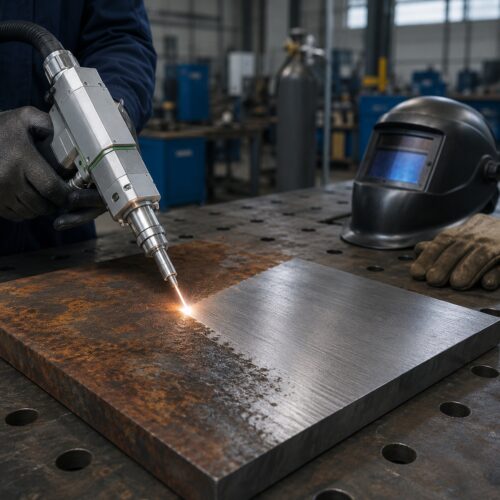
For rusted or contaminated parts, pre-weld surface cleaning can help reduce defects caused by oil, rust, and oxide layers.
Safety Considerations
Laser welding should be performed by trained operators in a controlled work area. Welding can generate hazardous fumes and gases, so suitable ventilation and protective measures are important.
Operators should avoid breathing welding fumes and use adequate ventilation. More general information is available from OSHA welding safety guidance.
Operators should also use suitable eye, skin, and respiratory protection according to the equipment instructions and workplace requirements.
Porosity, incomplete penetration, burn-through, uneven weld beads, and discoloration are among the most common problems. The actual defect depends on the material, thickness, gas supply, and welding parameters.
Porosity is usually caused by contamination, moisture, oxide layers, unstable shielding gas, or dirty filler wire. Cleaning the joint area and improving gas coverage can help reduce it.
Increase laser power gradually, reduce welding speed, check the focus position, and make sure the joint gap is suitable.
Thin sheet metal may burn through when the power is too high, the speed is too slow, or the welding head stays in one area for too long.
An uneven weld bead may be caused by unstable hand movement, inconsistent welding speed, changing angles, irregular wire feeding, or uneven joint gaps.
Discoloration is often related to oxidation caused by insufficient shielding gas, poor gas coverage, excessive heat input, or a contaminated workpiece.
Yes. Suitable filler wire can help fill joint gaps, improve weld formation, and support stronger joints. However, the wire type and feeding speed must match the material and welding process.
Yes. Prato Laser can recommend a suitable handheld laser welding solution based on the material, thickness, joint type, filler wire, and production requirements.
Most laser welding defects can be reduced through better surface preparation, stable shielding gas, suitable laser power, correct welding speed, accurate wire feeding, and consistent operator technique.
When a problem appears, operators should inspect the full process rather than only increasing or reducing power. A systematic troubleshooting method helps identify the real cause and avoid unnecessary parameter changes.
Prato Laser provides laser welding, cutting, cleaning, and marking solutions for metal processing industries. You can contact Prato Laser for a suitable welding configuration based on your material, thickness, joint type, and production needs.

English