

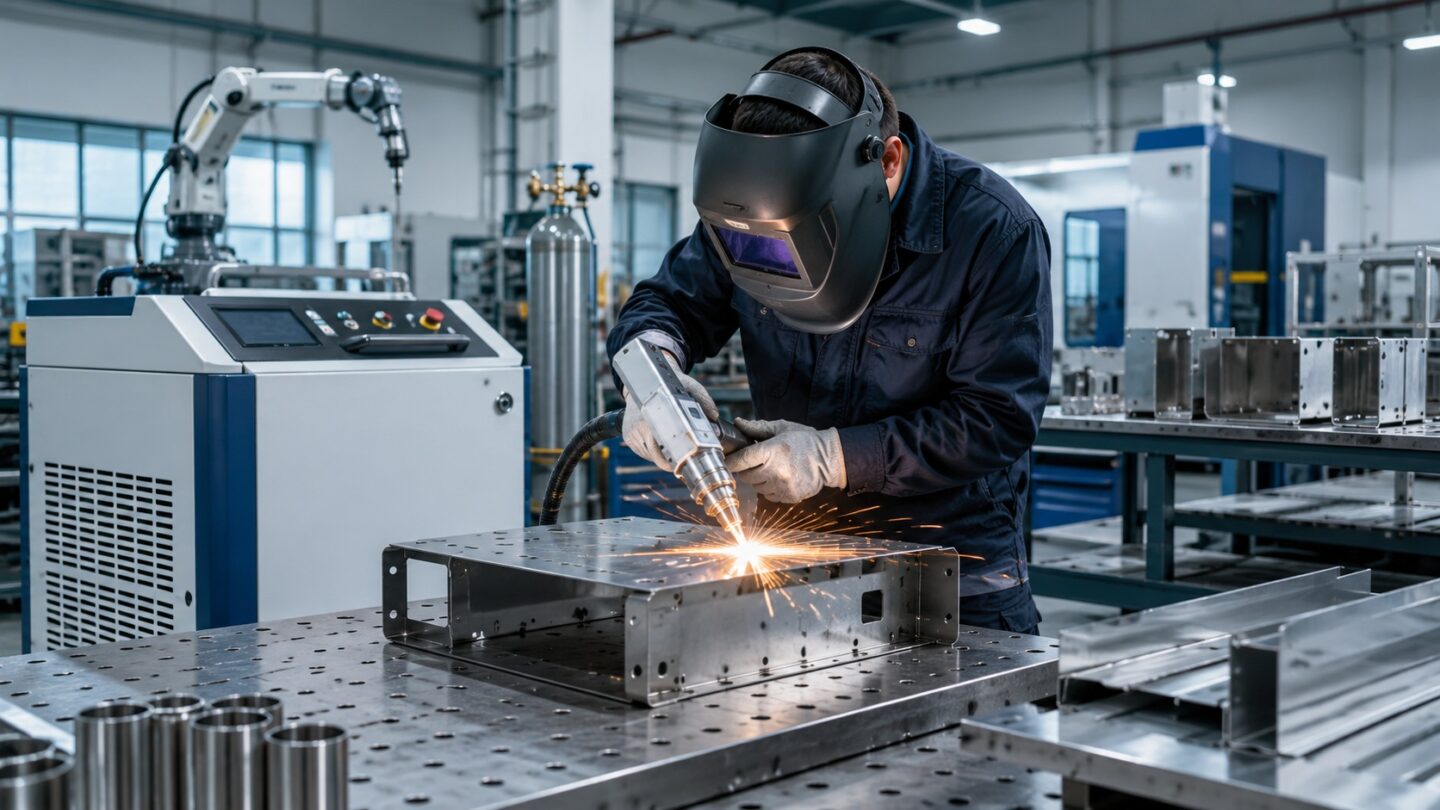
Laser welding has become an increasingly popular solution for metal fabrication due to its fast welding speed, low heat input, clean weld appearance, and flexible operation.
Compared with traditional TIG and MIG welding methods, laser welding can help manufacturers improve production efficiency, reduce deformation, and achieve more consistent weld quality.
According to the American Welding Society (AWS), welding technology selection depends on factors including material type, welding process requirements, and production conditions.
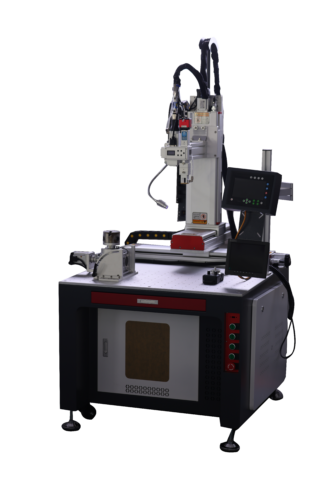
However, choosing the right Laser Welding Machine is not simply about selecting higher power. The best solution depends on material type, thickness, production volume, welding requirements, and working environment.
This guide explains the key factors manufacturers should consider before purchasing a laser welding machine.
Different production requirements need different welding solutions.
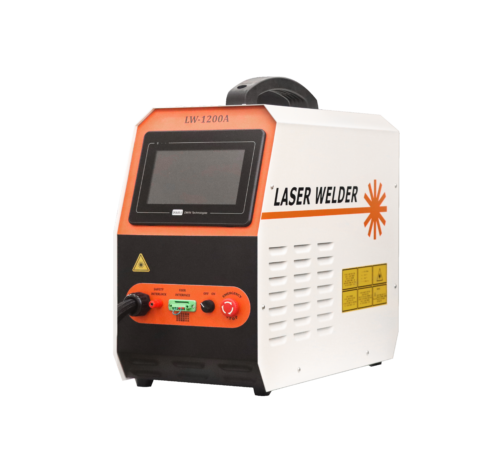
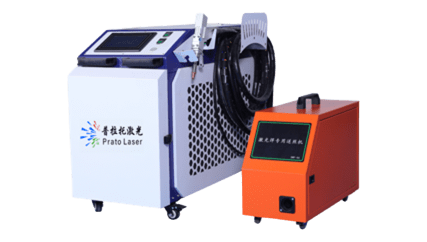
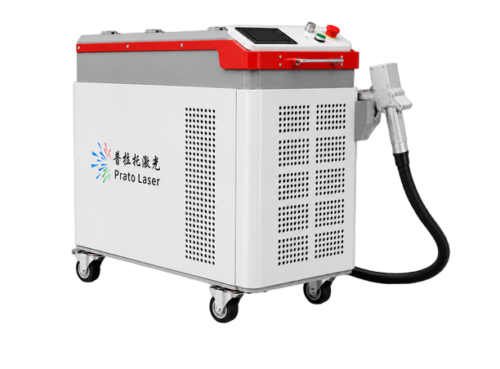
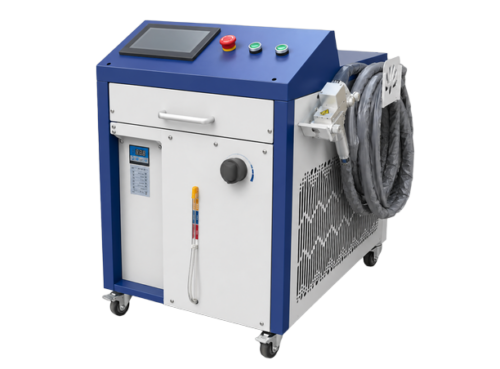
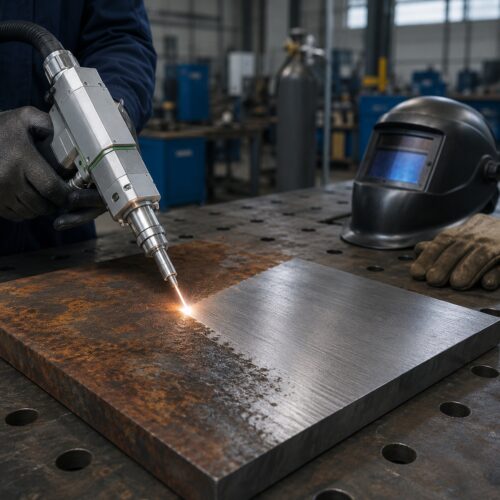
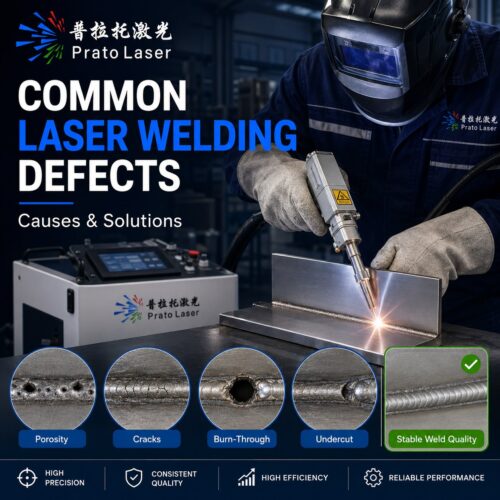
A Handheld Laser Welding Machine is widely used for flexible metal fabrication.
It is suitable for:
Advantages:
For small and medium-sized factories with different product types, handheld laser welding is often a practical choice.
Cooling method is another important factor when selecting equipment.
A Water-Cooled Handheld Laser Welding Machine is suitable for continuous industrial production.
Advantages:
An Air-Cooled Handheld Laser Welding Machine is more compact and flexible.
Advantages:
Factories should choose the cooling method according to daily working hours and production intensity.
Laser power directly affects welding penetration and efficiency.
However, higher power does not always mean better results.
The suitable power depends on:
General selection:
Suitable for thin stainless steel, carbon steel, and general sheet metal applications.
Suitable for higher production efficiency and medium-thickness metal welding.
Suitable for thicker materials and heavy industrial applications.
Before purchasing, manufacturers should test actual samples to confirm the best configuration.
Different metals have different welding characteristics.
Laser welding is widely used for stainless steel products because it can provide clean weld seams with lower deformation.
Common applications include:
Carbon steel welding requires suitable power and parameter settings to achieve stable penetration and strong joints.
Aluminum has higher reflectivity and oxide layers, making parameter adjustment more important.
Proper surface cleaning and suitable welding parameters help improve welding stability.
Compared with TIG and MIG welding, laser welding offers several advantages:
For manufacturers requiring higher efficiency and consistent quality, laser welding can help improve production performance.
Many buyers focus only on laser power but ignore other important factors.
Common mistakes include:
The machine should match daily production needs, not only the thickest material occasionally processed.
Stainless steel, aluminum, and carbon steel require different welding parameters.
Technical support, training, spare parts, and parameter guidance are also important factors for long-term operation.
A handheld laser welding machine is usually a good choice because it is flexible, easy to operate, and suitable for many metal fabrication applications.
The required power depends on material type, thickness, welding speed, and production requirements. Sample testing is recommended before final selection.
Laser welding can provide faster speed, lower deformation, and cleaner welds. However, the best choice depends on the specific application.
Yes. Aluminum can be laser welded, but proper parameters and surface preparation are important because aluminum has an oxide layer and high reflectivity.
Choose a supplier that can provide sample testing, technical support, machine training, and long-term service.
Choosing the right laser welding machine requires considering more than just laser power. Material type, thickness, production volume, cooling method, and application requirements all affect the final choice.
A suitable laser welding solution can help manufacturers improve welding efficiency, reduce production costs, and achieve more stable product quality.
Prato Laser provides laser welding, cutting, cleaning, marking, and tube processing solutions for global metal manufacturers.
For a suitable welding solution, visit Contact Prato Laser.

English