

Laser Welding vs TIG Welding is one of the most frequently discussed topics in modern metal fabrication. Manufacturers worldwide are looking for ways to improve productivity, reduce labor costs, and achieve higher welding quality. While TIG welding has been a trusted process for decades, fiber laser welding technology is rapidly becoming the preferred choice for many industrial applications.
In this article, we compare laser welding vs TIG welding in terms of welding speed, shielding gas consumption, weld quality, operating costs, and production efficiency to help manufacturers make an informed decision.
TIG (Tungsten Inert Gas) welding, also known as GTAW (Gas Tungsten Arc Welding), uses a non-consumable tungsten electrode to create an electric arc that melts the base material. An inert shielding gas, typically argon, protects the weld pool from contamination.
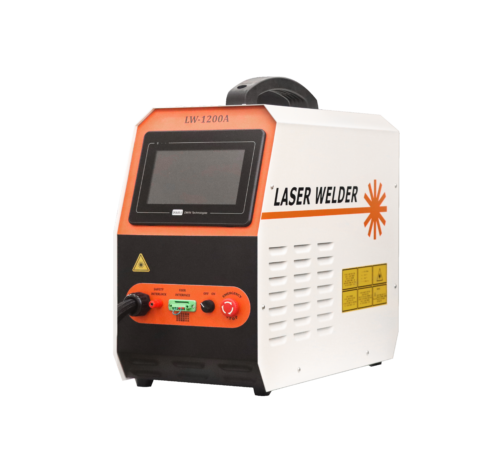
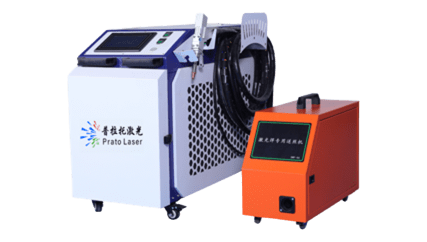
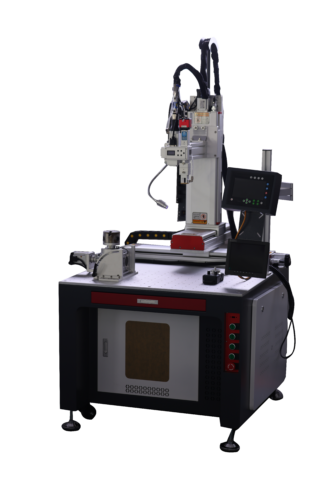
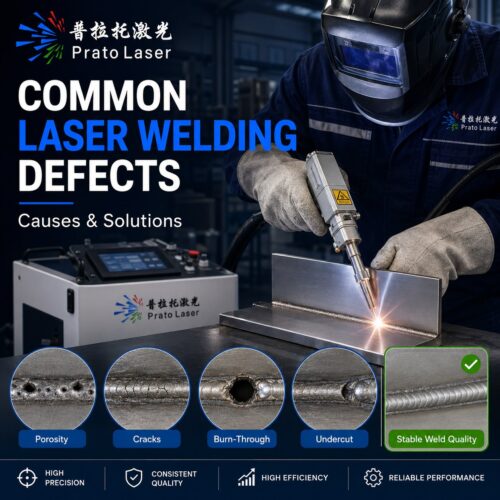
Laser welding uses a concentrated laser beam to melt and join metal materials. Modern fiber laser welding systems deliver highly focused energy, resulting in fast welding speeds, minimal heat input, and excellent weld consistency.
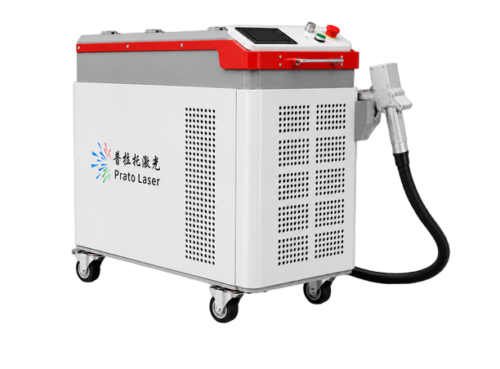
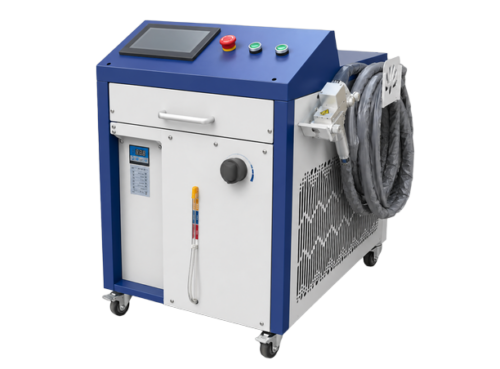
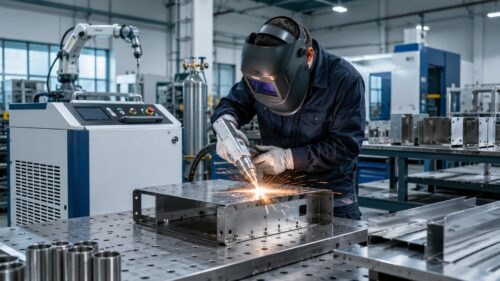
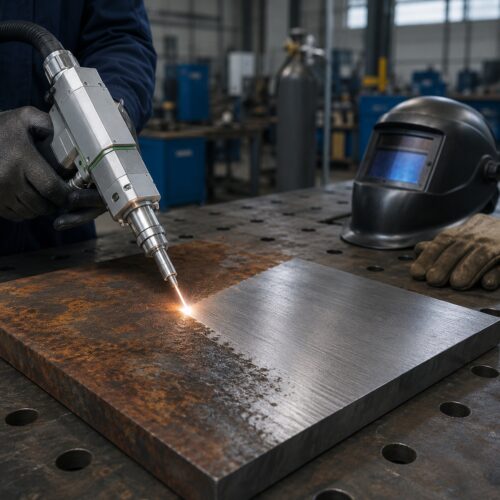
Handheld laser welding machines have become increasingly popular due to their flexibility, ease of operation, and ability to replace traditional welding methods in many applications.
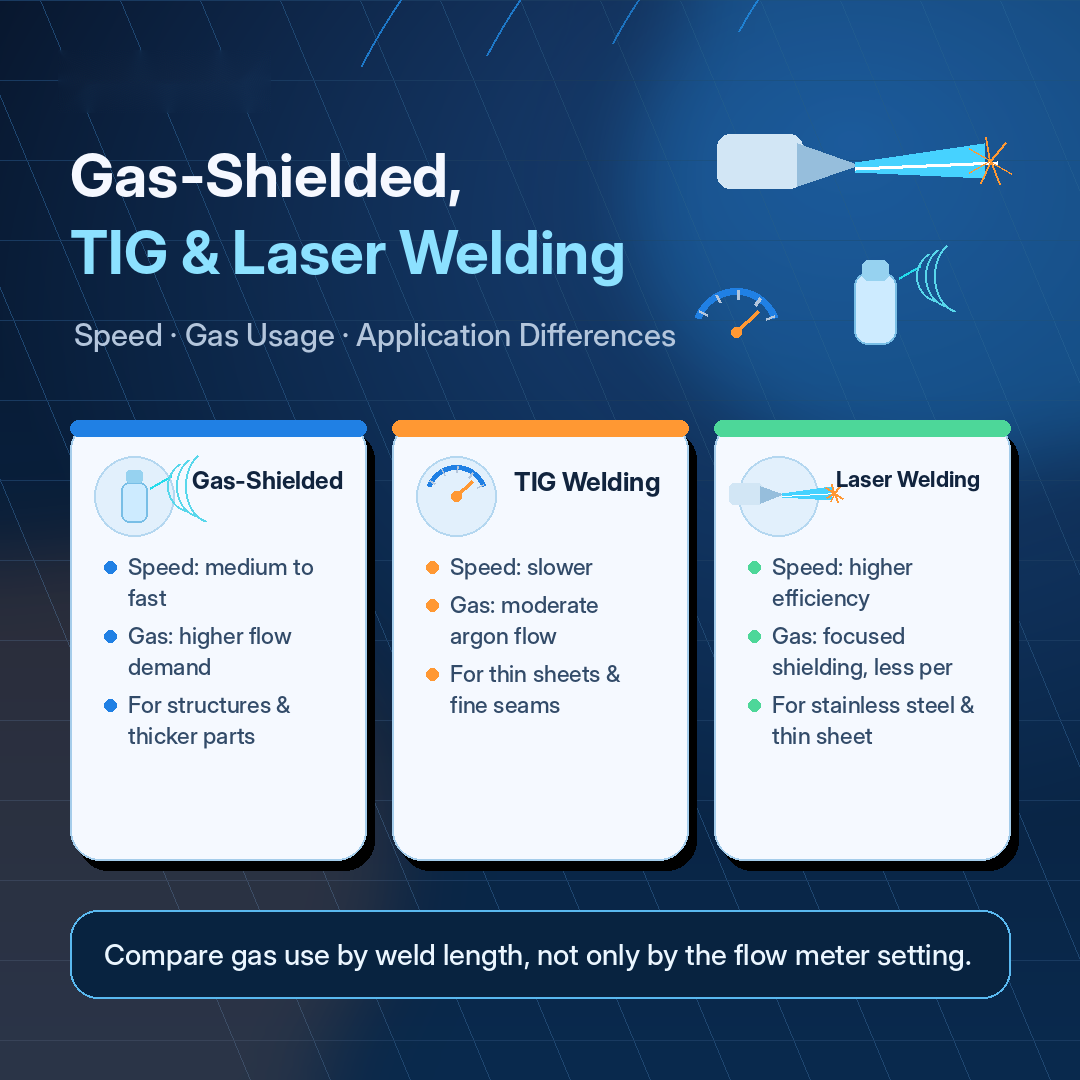
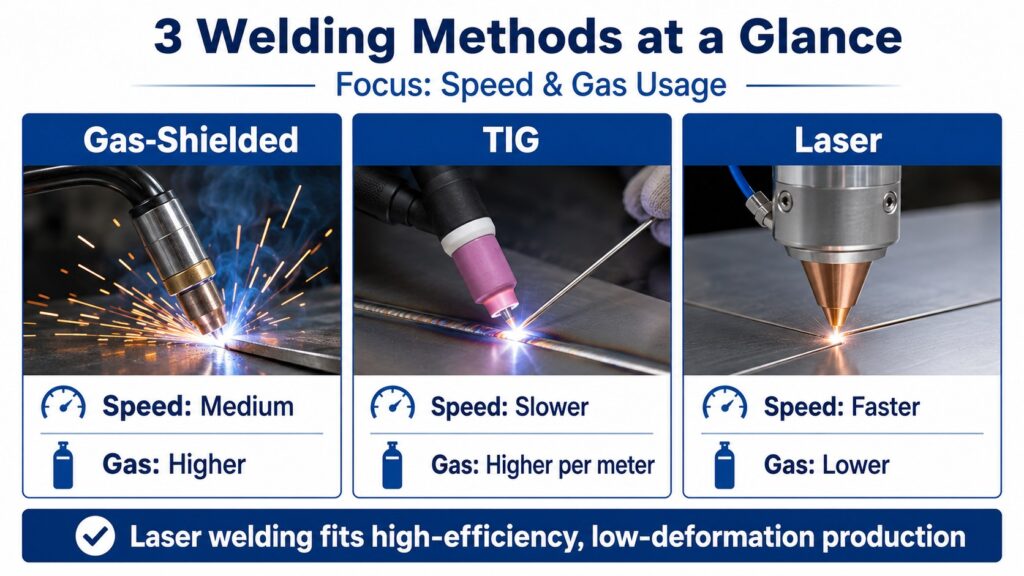
One of the most significant differences between laser welding and TIG welding is welding speed.
| Welding Method | Typical Speed |
|---|---|
| TIG Welding | 0.2–1.0 m/min |
| Fiber Laser Welding | 2–10 m/min |
Depending on material type and thickness, laser welding can be 3 to 10 times faster than TIG welding.
For manufacturers handling large production volumes, this increase in speed can dramatically improve productivity and shorten delivery times.
For welding a 1.5 mm stainless steel sheet:
This means the same job can often be completed in a fraction of the time.
Shielding gas plays a crucial role in both welding methods, but consumption levels differ significantly.
TIG welding typically requires:
Laser welding generally requires:
As a result, laser welding often reduces shielding gas consumption by 30–50% compared to TIG welding.
For high-volume production facilities, this reduction can lead to substantial long-term operating cost savings.
Both welding methods can produce high-quality welds, but there are notable differences.
Because laser welding introduces less heat into the material, it significantly reduces thermal distortion, making it ideal for precision fabrication.
Although laser welding equipment generally requires a higher initial investment, the total cost of ownership often becomes lower over time.
Many manufacturers find that laser welding equipment achieves a favorable return on investment within a relatively short period, particularly in high-volume production environments.
Laser welding is widely used across numerous industries, including:
As demand for efficiency and precision continues to grow, laser welding technology is becoming increasingly popular in these sectors.
The global manufacturing industry is under constant pressure to improve efficiency while controlling costs.
Compared with TIG welding, laser welding offers:
These advantages make laser welding an attractive solution for businesses seeking higher productivity and long-term competitiveness.
Founded in 2014, Prato Laser specializes in advanced laser processing equipment, including laser tube cutting machines, handheld laser welding machines, laser cleaning machines, laser marking machines, and fiber laser cutting systems.
With extensive experience in metal fabrication solutions, Prato Laser helps customers worldwide improve production efficiency, reduce manufacturing costs, and achieve superior welding performance.
Whether you are upgrading from traditional TIG welding or exploring modern welding technologies for the first time, our professional team can help you find the right solution for your production needs.
Yes. Laser welding is typically 3–10 times faster than traditional TIG welding, depending on material thickness and application requirements.
Yes. Laser welding generally requires lower gas flow rates and more efficient gas utilization, reducing overall gas consumption.
In many industrial applications, laser welding can successfully replace TIG welding while improving productivity and consistency.
Laser welding is suitable for stainless steel, carbon steel, galvanized steel, aluminum, brass, and many other metal materials.
Yes. Handheld laser welding machines are widely used for sheet metal fabrication, metal furniture, doors and windows, kitchenware, and other metal processing applications.
When comparing Laser Welding vs TIG Welding, laser welding demonstrates clear advantages in welding speed, gas consumption, productivity, and operational efficiency. While TIG welding remains valuable for certain specialized applications, modern fiber laser welding systems are becoming the preferred solution for manufacturers seeking faster production, lower costs, and consistent weld quality.
As manufacturing continues to evolve, investing in advanced laser welding technology can provide a significant competitive advantage for businesses looking to improve efficiency and profitability.


English