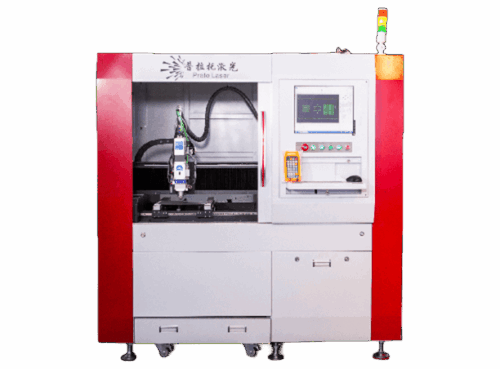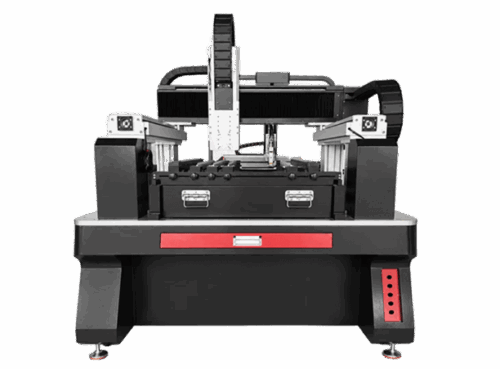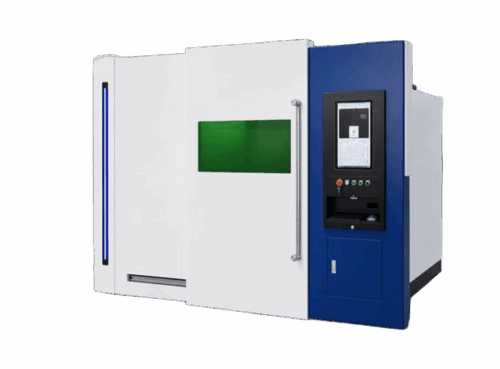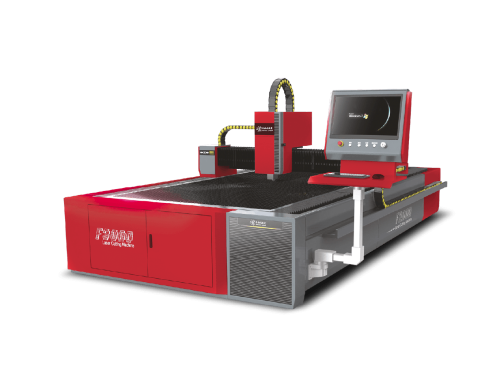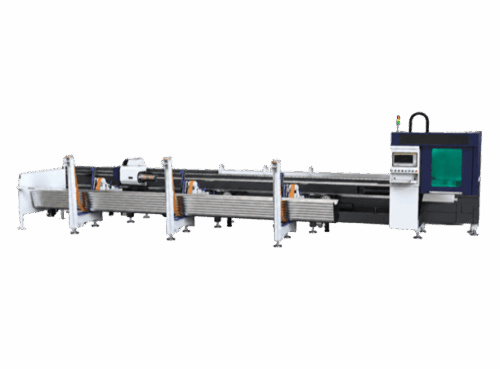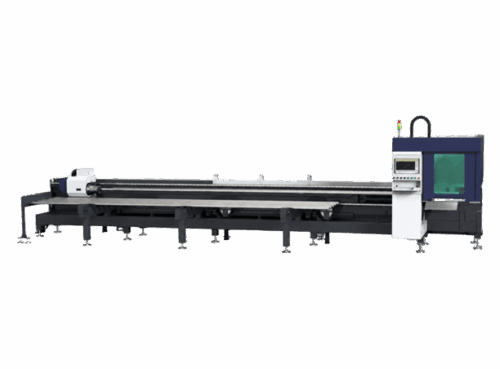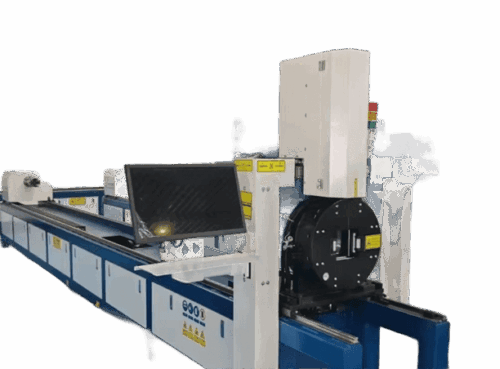


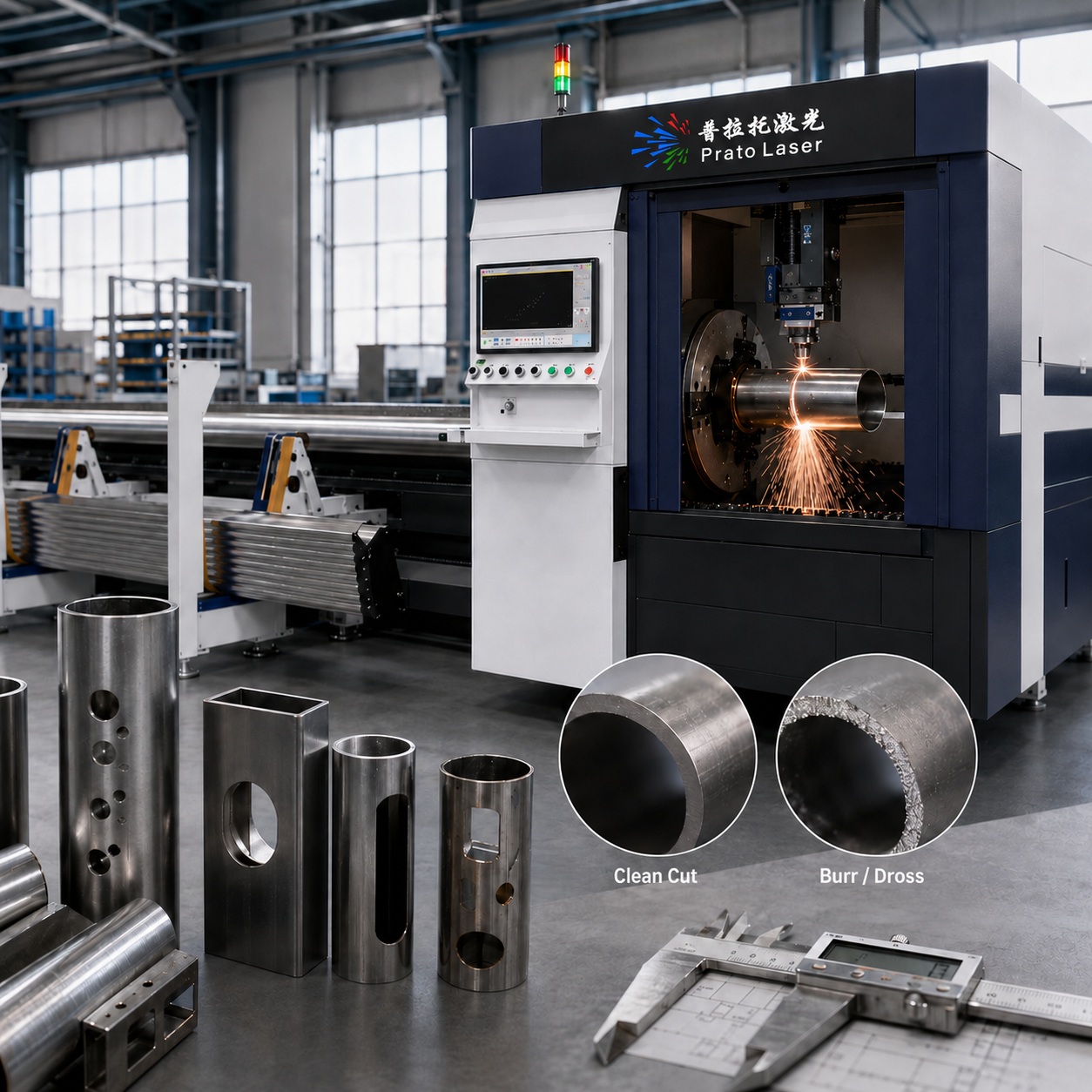
Laser tube cutting is widely used in metal fabrication, machinery manufacturing, furniture frames, fitness equipment, steel structures, railings, and many other tube processing applications. A laser tube cutting machine can process round tubes, square tubes, rectangular tubes, and other metal profiles with high speed and flexible cutting shapes.
However, even with advanced laser cutting equipment, manufacturers may still face some common cutting problems during daily production. Burrs, dross, incomplete cutting, hole deformation, tube vibration, and size deviation can affect cutting quality, welding preparation, and final assembly.
Understanding why these problems happen can help operators adjust cutting parameters, improve machine setup, and reduce unnecessary rework.
Laser tube cutting problems usually come from several factors working together. These may include incorrect laser power, unsuitable cutting speed, unstable gas pressure, poor focus position, tube material quality, inaccurate clamping, or insufficient machine maintenance.
In many cases, the problem is not caused by one single factor. For example, burrs may be related to cutting speed, gas pressure, focus position, and material surface condition at the same time. Therefore, operators should check the full cutting process instead of changing only one parameter.
A stable cutting result depends on the balance between machine configuration, cutting parameters, material condition, and operator experience.
Burrs are one of the most common laser tube cutting problems. They appear as rough edges or small metal residues around the cut surface. Burrs can increase grinding work and affect the appearance of the final part.
Burrs may be caused by low laser power, high cutting speed, incorrect focus position, unstable assist gas pressure, or unsuitable cutting parameters for the tube thickness. Material quality and surface coating can also affect burr formation.
Operators can first check whether the laser power and cutting speed match the tube material and wall thickness. If the speed is too fast, the laser may not fully melt or remove the material. If the gas pressure is unstable, molten metal may not be blown away effectively.
It is also important to check the focus position and nozzle condition. A damaged nozzle or incorrect focus can reduce cutting quality and cause uneven edges.
Dross, also called slag, refers to molten metal that sticks to the bottom or inside edge of the cut. This problem is common when cutting thicker tubes or when the assist gas does not remove molten material properly.
Dross may occur when cutting speed is too slow, laser power is too low, gas pressure is not suitable, or the nozzle is dirty or misaligned. For some materials, wrong assist gas selection can also increase dross.
To reduce dross, operators should adjust cutting speed and laser power according to the tube wall thickness. Assist gas pressure should also be checked carefully. Nitrogen, oxygen, and compressed air may produce different edge results, depending on material type and quality requirements.
Regular nozzle cleaning and replacement can also help keep the gas flow stable. If the nozzle is blocked or damaged, the cutting area may not receive enough gas flow to remove molten metal.
Incomplete cutting means the laser fails to cut through the tube wall completely. This can stop production, damage the part, and increase material waste.
Incomplete cutting may happen when laser power is too low, cutting speed is too high, focus position is incorrect, or the tube wall thickness exceeds the machine’s suitable cutting range. Dirty protective lenses, poor beam quality, or unstable gas supply can also cause this problem.
The first step is to confirm whether the tube material and wall thickness are within the machine’s recommended cutting capacity. Then, operators should reduce cutting speed or increase laser power according to the process requirement.
It is also necessary to inspect the protective lens, nozzle, and gas supply system. If the optical parts are dirty or damaged, laser energy transmission may be reduced, causing poor cutting penetration.
Tube cutting often involves small holes, long slots, connection holes, or decorative patterns. Hole deformation can affect later assembly, welding, and fastening.
Hole deformation may be caused by excessive heat input, unsuitable cutting path, wrong piercing method, poor tube support, or material movement during cutting. Small holes are especially sensitive because the heat-affected area is relatively larger.
Operators can optimize the cutting sequence and reduce unnecessary heat concentration around small holes. For small holes or dense hole patterns, lower power, suitable speed, and proper piercing parameters may help improve shape quality.
Stable clamping and support are also important. If the tube moves during cutting, the hole position and shape may become inaccurate.
Tube vibration can lead to uneven cutting edges, poor hole accuracy, and unstable cutting quality. This problem is more likely to happen when processing long tubes, thin-wall tubes, or tubes with poor straightness.
Common causes include unstable chuck clamping, insufficient tube support, excessive cutting speed, poor tube straightness, or vibration from the machine bed. If the tube is long and not properly supported, it may shake during rotation and cutting.
Operators should check whether the chuck clamps the tube firmly and whether the support system is correctly adjusted. For long tubes, the feeding and support structure should keep the tube stable during processing.
Tube straightness should also be inspected before cutting. Bent or uneven tubes may cause vibration and affect cutting accuracy.
For factories that process tubes in batches, choosing a stable laser tube cutting solution with reliable clamping and feeding systems can help improve consistency.
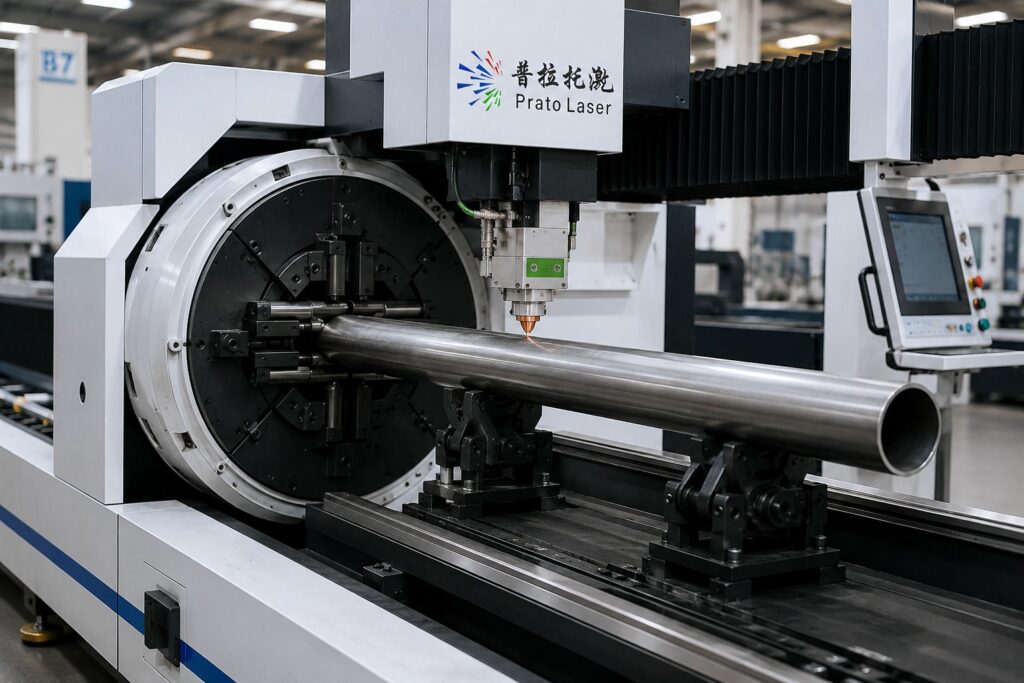
Size deviation means the final tube parts do not match the drawing dimensions. This problem can affect welding, assembly, and product consistency.
Size deviation may come from incorrect drawing files, machine calibration errors, poor clamping, tube movement, thermal deformation, or wrong compensation settings. If the machine has not been calibrated regularly, positioning accuracy may gradually decline.
Before production, operators should check the cutting file, tube size, and parameter settings. Trial cutting can help confirm whether the final dimensions match the design requirements.
Regular machine calibration and maintenance are also important. If size deviation appears repeatedly, the operator should check the mechanical transmission system, chuck positioning, and software compensation settings.
Burn marks appear when excessive heat affects the tube surface around the cutting area. This can be a problem for stainless steel, aluminum, or visible parts that require a clean appearance.
Burn marks may be caused by too much laser power, too slow cutting speed, poor gas protection, or repeated heating in the same area. For thin-wall tubes, overheating can also cause deformation.
Operators should reduce heat input by adjusting power, speed, and cutting sequence. For stainless steel or appearance-sensitive parts, nitrogen is often used to reduce oxidation and improve edge quality.
If burn marks still appear, operators should check whether the gas pressure, nozzle distance, and focus position are suitable.
Laser tube cutting machines may process round tubes, square tubes, rectangular tubes, oval tubes, and other profiles. Different shapes may require different clamping methods and cutting strategies.
Poor cutting quality on different tube shapes may happen when the clamping system is not suitable, the tube surface is uneven, or the cutting path is not optimized for the profile shape. Corners and edges of square or rectangular tubes may also require more careful parameter control.
Operators should select the correct tube type in the cutting software and make sure the machine configuration supports the required profile. The chuck and support system should hold the tube firmly without causing deformation.
For complex profiles, trial cutting is recommended before mass production.
To reduce cutting problems, manufacturers should build a stable production process instead of relying only on parameter adjustment after defects appear.
First, operators should confirm the tube material, wall thickness, diameter, and surface condition before cutting. Second, the machine should be set up with the correct nozzle, focus position, laser power, cutting speed, and assist gas pressure. Third, operators should inspect clamping stability and tube straightness before starting batch production.
Regular maintenance is also important. Nozzles, lenses, filters, guide rails, chucks, and support systems should be checked according to the machine maintenance schedule. Good maintenance helps keep cutting quality stable and reduces unexpected downtime.
Laser cutting equipment should be operated by trained workers. Operators should follow machine instructions, use suitable protective equipment, and keep the cutting area clean and organized. For general industrial laser safety information, manufacturers can refer to laser safety guidance from OSHA.
A safe and organized workshop helps protect operators and supports stable production quality.
Burrs are usually caused by unsuitable cutting speed, low laser power, wrong focus position, unstable gas pressure, or a damaged nozzle. Operators should check cutting parameters, nozzle condition, gas flow, and material thickness.
To reduce dross, adjust cutting speed, laser power, and assist gas pressure. Operators should also check whether the nozzle is clean and correctly aligned. For different materials, gas selection can also affect the final edge quality.
Incomplete cutting may happen when laser power is too low, cutting speed is too high, the focus position is incorrect, or the tube wall is too thick for the current machine configuration. Dirty lenses or unstable gas supply can also reduce cutting performance.
Hole deformation can be caused by excessive heat input, unstable clamping, poor cutting sequence, or unsuitable piercing parameters. Small holes and dense hole patterns usually need more careful parameter control.
To prevent tube vibration, check chuck clamping, tube support, tube straightness, and cutting speed. Long tubes and thin-wall tubes need stable support during feeding, rotation, and cutting.
Size deviation may be related to drawing errors, machine calibration, clamping movement, thermal deformation, or incorrect compensation settings. Trial cutting and regular calibration can help improve dimensional accuracy.
Yes. A stable machine structure, reliable chuck clamping, accurate motion control, and suitable laser configuration can help reduce cutting problems. However, good operation, correct parameters, and regular maintenance are also important.
Most laser tube cutting problems can be reduced by checking cutting parameters, material condition, clamping stability, assist gas, nozzle condition, and machine maintenance. Burrs, dross, incomplete cutting, hole deformation, vibration, and size deviation are common issues, but they can often be improved with systematic troubleshooting.
For manufacturers, stable cutting quality is not only about the machine itself. It also depends on process control, operator training, and regular maintenance.
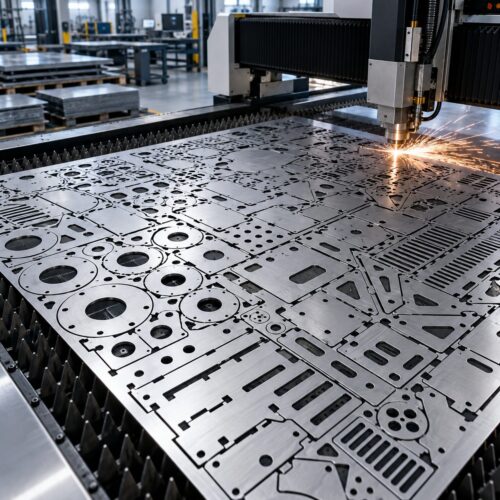
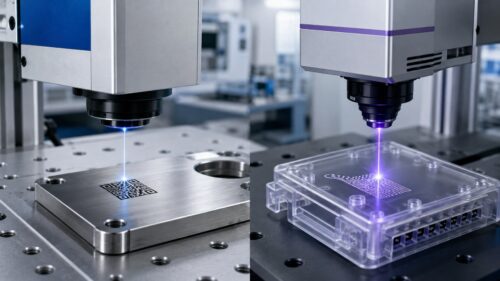
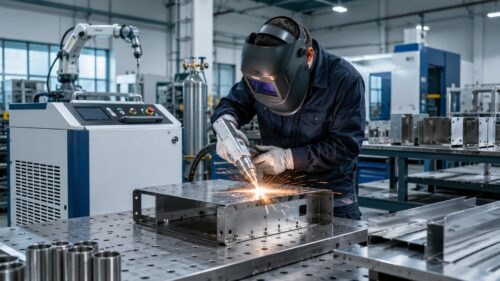
Prato Laser provides laser cutting, welding, marking, and cleaning solutions for metal processing industries. If you are looking for a suitable tube cutting machine for your production needs, you can contact Prato Laser to get a recommended configuration based on your tube size, material, thickness, and application requirements.


English