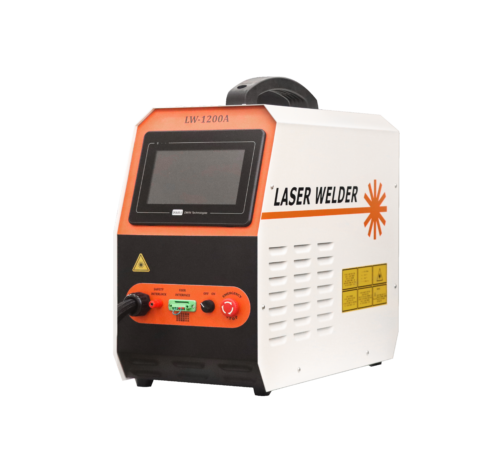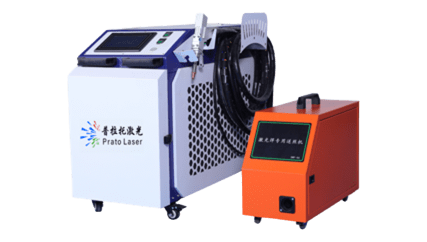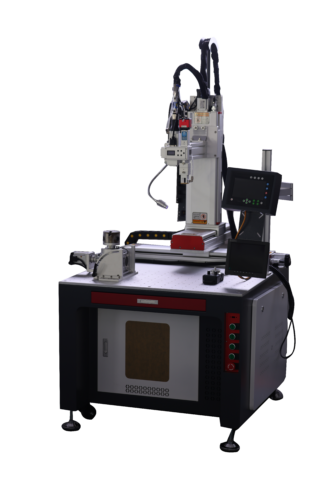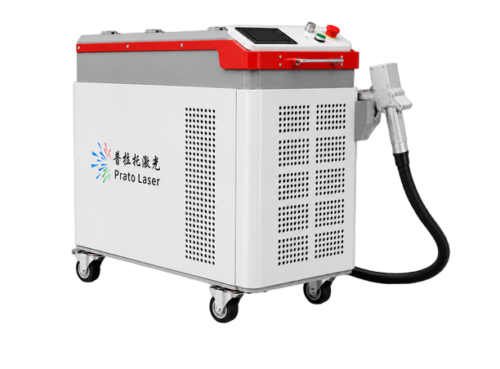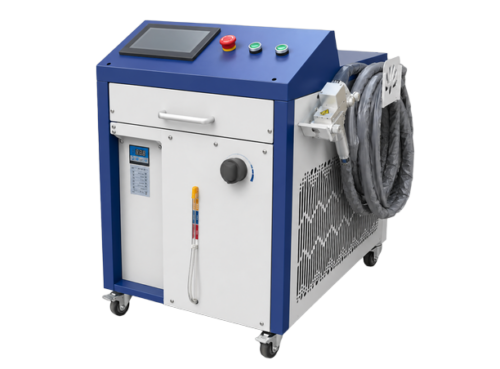


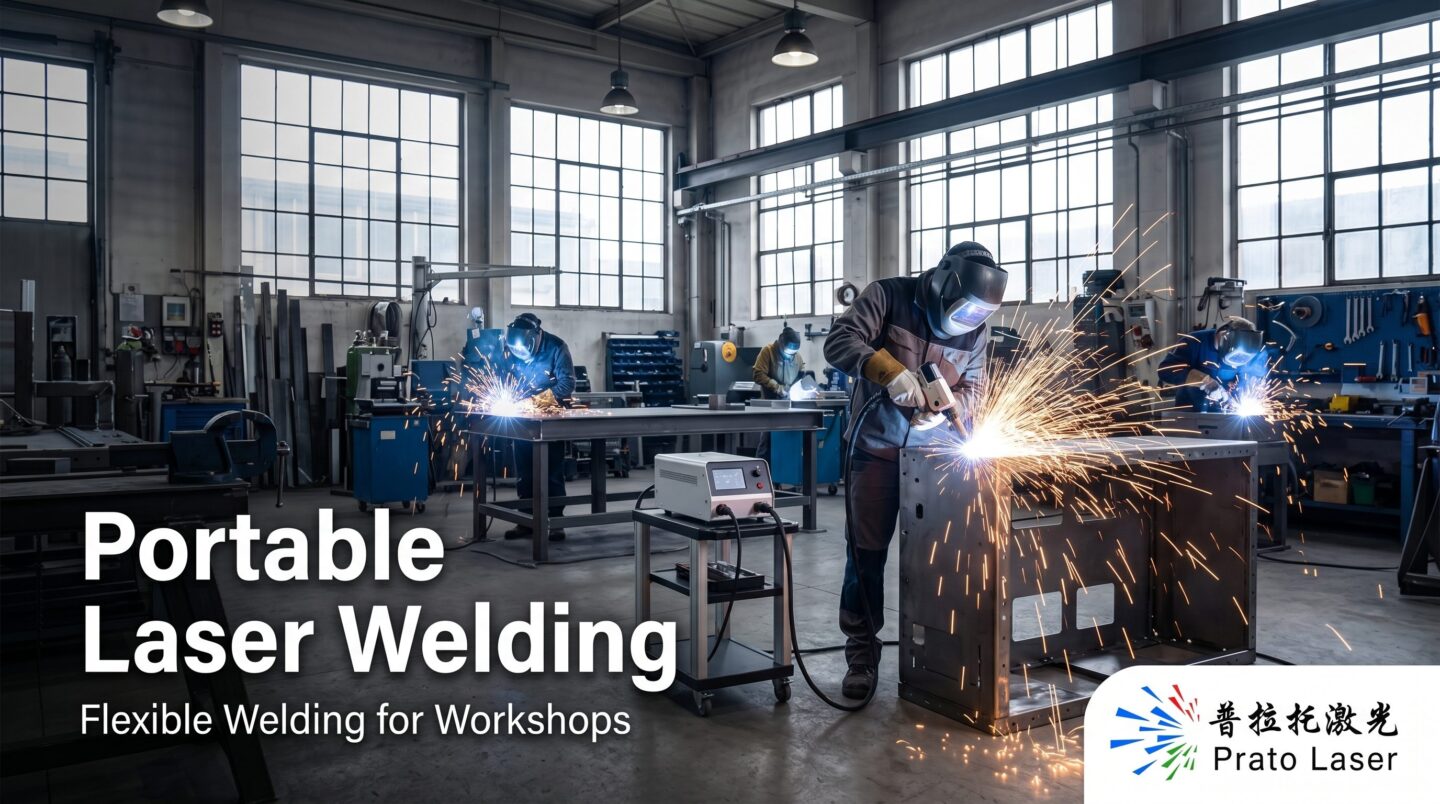
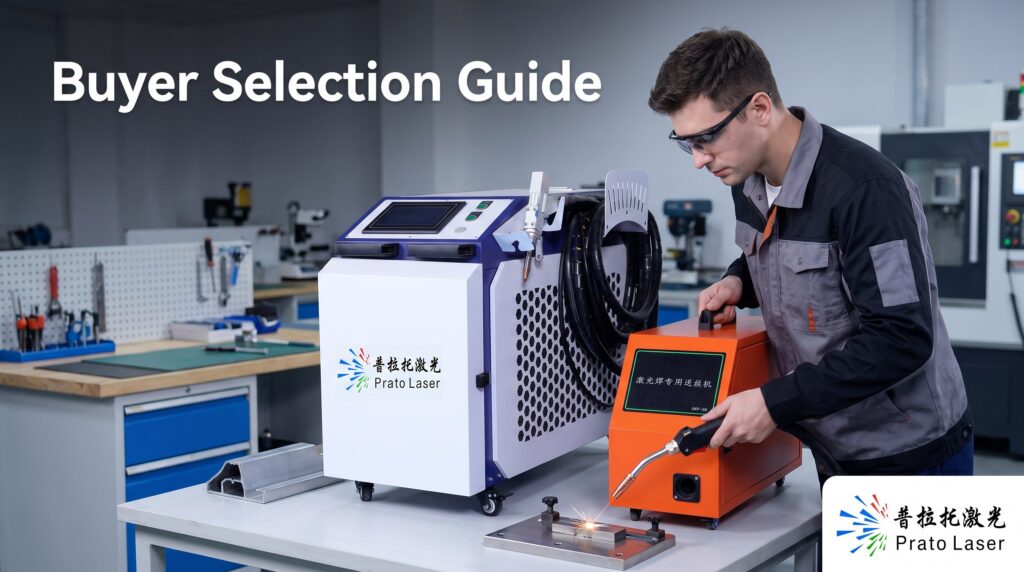
A portable laser welding machine is becoming a serious option for metalworking companies that need flexible welding capacity without adding a large fixed workstation. In workshops where product batches change frequently, the ability to move equipment, adjust quickly, and weld different metal parts can be a practical advantage.
The shift is not only about portability. It reflects a broader change in factory decision-making. Many manufacturers are looking for tools that improve productivity while staying manageable for small teams. For sheet metal shops, metal furniture producers, automotive parts suppliers, and stainless steel product manufacturers, flexible welding equipment can support faster production changes.
That is why portable laser welding is receiving more attention in B2B equipment purchasing.
Traditional welding stations often work well in stable production lines. However, many workshops do not operate under perfect production conditions. They handle small batches, custom orders, repair work, prototype parts, and urgent delivery schedules.
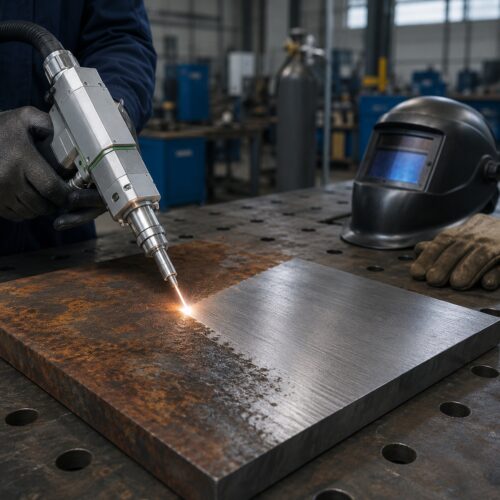
A portable laser welding machine gives operators more freedom than a fixed welding setup. It can be moved to different work areas, used for large workpieces that are difficult to position, and adapted for different metal assemblies.
This flexibility is useful in industries where parts vary in size and geometry. A stainless steel cabinet manufacturer may weld panels in one area, frames in another, and small brackets at a separate bench. A portable system reduces unnecessary part movement.
The same logic applies to automotive repair, metal furniture, architectural metalwork, and maintenance tasks.
A portable laser welding machine is most effective in applications that require clean welds, controlled heat input, and flexible handling.
Typical applications include:
In these applications, the weld seam often matters visually. Clean welding can reduce grinding and polishing. For thin sheet metal, lower heat input can also reduce warping.
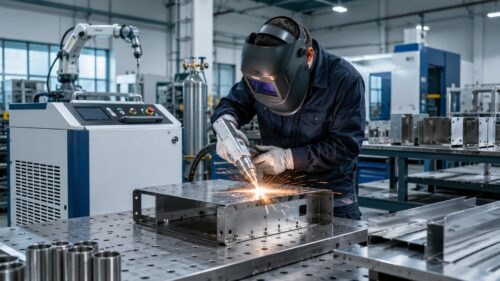
A common use case is metal enclosure manufacturing. The parts may include corners, seams, brackets, and internal supports. Traditional welding can create visible discoloration or distortion if not controlled carefully. A portable laser welding process can help improve seam consistency while allowing the operator to work around the product.
Companies reviewing general laser welding options can explore Prato Laser’s Handheld Laser Welding Machine category for related equipment types.
Small and medium-sized manufacturers often face a different challenge than large automated plants. They need productivity, but they also need flexibility.
A portable laser welding machine can support this balance.
The main advantages include faster welding speed, reduced heat distortion, smaller weld seams, and less finishing work. For factories that produce stainless steel or aluminum products, the reduction in post-weld cleanup can be important.
Another advantage is labor efficiency. In many regions, experienced welders are difficult to hire. Laser welding does not eliminate the need for skilled production knowledge, but it can make some welding tasks easier to standardize.
Operators still need training, especially on laser safety and process control. The equipment should be used with proper protective measures and controlled work areas. Buyers should review laser and welding safety references from OSHA and industry guidance from the American Welding Society.
Portable does not mean suitable for every job.
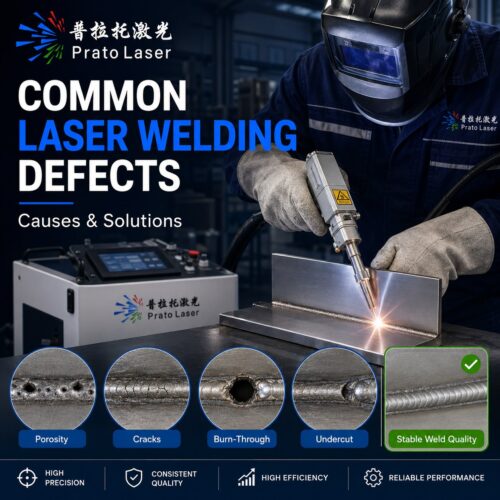
A portable laser welding machine still requires proper joint preparation. If parts have large gaps, poor fit-up, oil contamination, or unstable positioning, weld quality may be affected.
Another limitation is application thickness. Laser power, welding speed, wire feeding, and material type all influence the result. Buyers should not rely only on advertised power numbers. Real sample testing is more reliable.
Some buyers also assume that portability means low maintenance. That is not correct. Laser optics, protective lenses, cooling systems, wire feeders, and welding guns require routine inspection. A poorly maintained machine can reduce weld quality and increase operating cost.
Water-cooled systems are often selected when the machine needs to run for longer periods. In a workshop with continuous production, thermal stability becomes important.
A water-cooled portable laser welding machine can support longer duty cycles than many compact systems. This is useful for manufacturers welding stainless steel cabinets, carbon steel assemblies, aluminum frames, or fabricated metal components across regular shifts.
The tradeoff is that water-cooled systems may be larger and require more attention to cooling maintenance. The benefit is more stable performance in industrial workloads.
Factories comparing water-cooled configurations can review the Water-Cooled Handheld Laser Welding Machine product page for a practical example of this equipment category.
A good purchasing process starts with the application, not the machine catalog.
Buyers should define:
The next step is sample testing. Buyers should provide actual workpieces, not only simple sample plates. Real parts show whether the machine can handle corners, seams, gaps, and production tolerances.
It is also important to compare the full production workflow. For example, a portable laser welding machine may reduce welding time, but the real savings may come from less polishing, lower rework, and faster operator training.
Companies that need broader laser processing solutions can compare available equipment through the Prato Laser Products page.
One common mistake is choosing equipment only by price. A low-cost machine may look attractive at first, but weak cooling, unstable wire feeding, poor optics, or limited service support can create problems later.
Another mistake is buying too much power. Higher power can be useful for thicker materials, but it also increases cost. If most production involves thin stainless steel, buyers may not need the highest-power option.
A third mistake is ignoring safety infrastructure. Laser welding requires proper eye protection, operating procedures, and restricted working zones. A factory should treat laser welding as industrial equipment, not a simple handheld tool.
Quality systems also matter. Manufacturers serving export markets may need to align production processes with recognized quality frameworks such as ISO.
The growth of portable welding equipment reflects a practical trend in manufacturing. Factories want flexible tools that can support multiple product types without requiring major layout changes.
This does not replace automated welding cells in high-volume production. Large factories may still prefer robotic or fixture-based systems for repeatable parts. But for mixed production environments, repair work, custom fabrication, and small-batch manufacturing, a portable laser welding machine can offer a strong balance between flexibility and welding quality.
For many buyers, the right question is not whether portable laser welding is better than every traditional method. The better question is where it can remove bottlenecks.
A portable laser welding machine can be a practical investment when a factory needs cleaner welds, lower deformation, and more flexible production. It is especially relevant for sheet metal fabrication, stainless steel products, automotive components, kitchen equipment, and architectural metalwork.
The strongest results usually come from matching the machine to real production needs. Buyers should test actual workpieces, review cooling requirements, check safety practices, and confirm after-sales support before purchasing.
Manufacturers with specific welding applications can contact Prato Laser through Contact Us for machine selection and sample testing guidance.
A portable laser welding machine is a movable fiber laser welding system designed for flexible metal joining in workshops and factories.
Common materials include stainless steel, carbon steel, aluminum, galvanized steel, brass, copper, and selected alloys.
Yes. It is suitable for factories handling sheet metal parts, stainless steel products, cabinets, frames, automotive components, and custom fabrication.
Water cooling is recommended for longer working hours and more continuous industrial production. Lighter workloads may use compact systems depending on the application.
In many stainless steel and sheet metal applications, it can reduce grinding and polishing because the weld seam is narrower and cleaner.
Buyers should evaluate material type, thickness, welding hours, cooling needs, wire feeding, safety requirements, sample results, and supplier service support.

English