

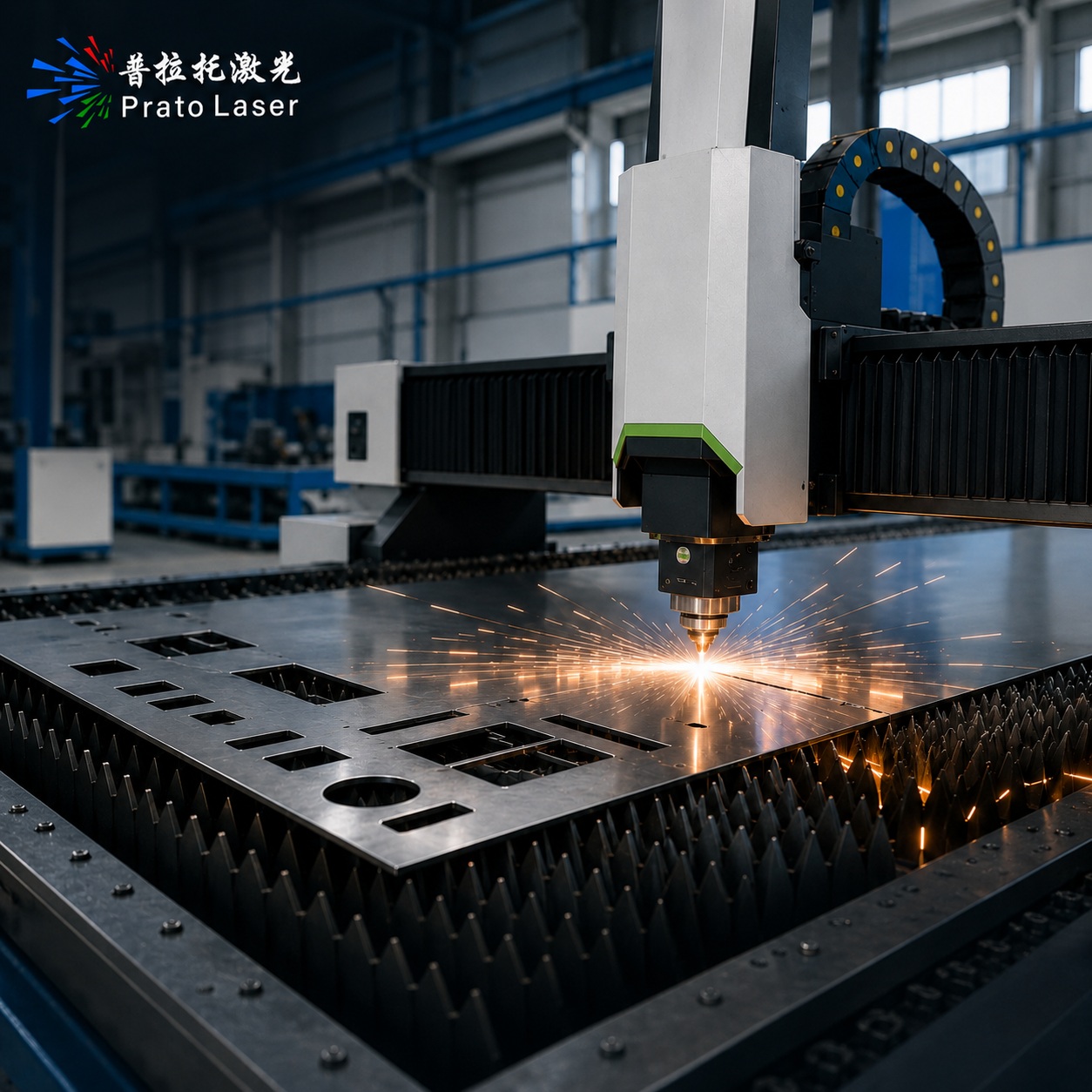
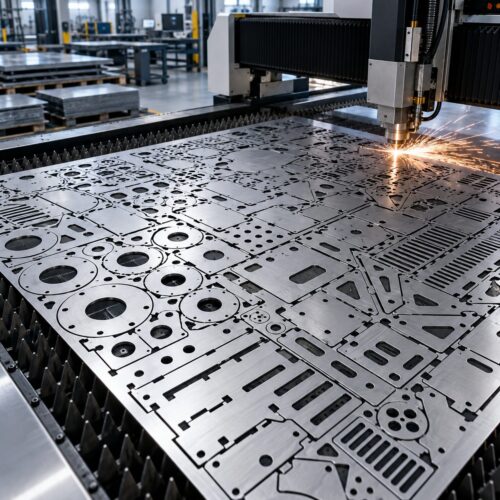
A sheet metal CNC laser cutting machine is now widely used in metal fabrication, machinery manufacturing, electrical cabinets, elevator parts, kitchen equipment, and automotive components. It combines CNC control, fiber laser technology, and automated cutting software to process flat metal sheets with high speed and stable accuracy.
Many workshops still use traditional sheet metal cutters, shearing machines, plasma cutting, or manual cutting tools. However, these methods may cause rough edges, low flexibility, high labor cost, and extra finishing work. As a result, more manufacturers are turning to CNC laser cutting for metal sheets.
For buyers, the key question is not only whether the machine can cut metal. The better question is whether it can improve production speed, reduce rework, support different materials, and keep cutting quality stable in daily production.
A sheet metal CNC laser cutting machine is a computer-controlled machine used to cut flat metal sheets. It uses a high-energy laser beam to melt or vaporize material along a programmed cutting path. Meanwhile, assist gas helps remove molten material and improve the cutting edge.
Unlike mechanical cutting tools, laser cutting does not require a physical blade to contact the sheet. Therefore, it can cut complex shapes, small holes, curves, sharp corners, and nested parts with better flexibility.
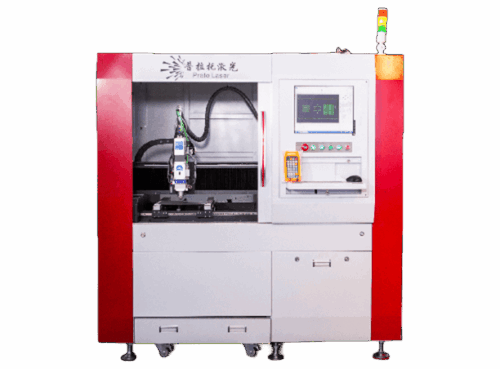
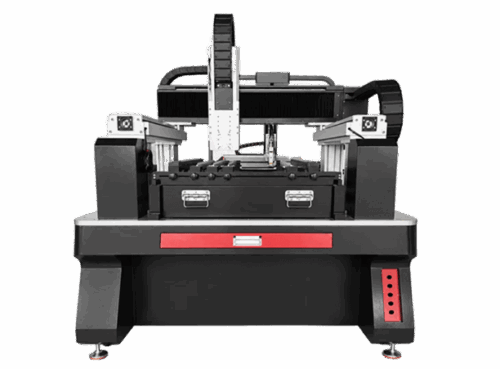
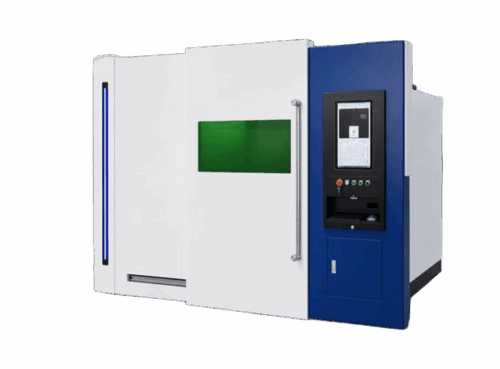
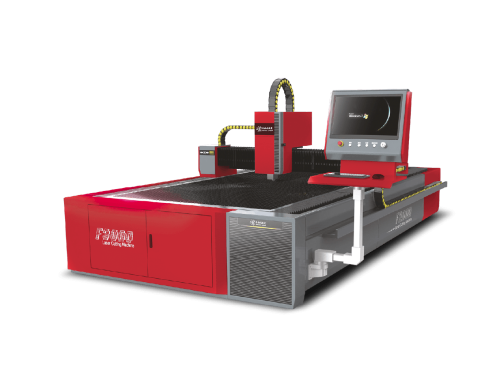
A typical CNC sheet metal laser cutting machine includes a machine bed, fiber laser source, cutting head, CNC control system, servo motor, guide rail, rack and pinion system, worktable, and dust extraction system. Together, these parts help the machine achieve accurate, repeatable, and efficient cutting.
For factories processing flat metal sheets, a fiber laser cutting machine can be a practical upgrade from traditional cutting methods.
Metal fabrication shops often face pressure from shorter delivery times, more complex part designs, and higher quality requirements. Therefore, cutting speed and repeatability are becoming more important.
A sheet metal laser cutter can process many designs without changing physical tooling. For example, if a customer changes the hole position or contour shape, the operator can update the drawing and cutting program instead of making a new mold or tool.
In addition, laser cutting can reduce secondary processing. The cut edge is usually smoother than plasma cutting or manual cutting. As a result, many parts need less grinding, less trimming, and less rework before welding or assembly.
This is especially useful for factories that handle small batches, mixed orders, and customized metal parts. Instead of relying on one fixed cutting method, manufacturers can use laser cutting to process different sheet designs with higher flexibility.
A laser cutter for metal sheets can process many common industrial materials. However, the final cutting ability depends on laser power, sheet thickness, material type, assist gas, and cutting parameters.
Common materials include:
Carbon steel is widely used in machinery, construction, and structural parts. Stainless steel is common in kitchen equipment, elevator panels, decoration, and medical equipment. Aluminum sheet is often used where lightweight parts are required.
In addition, galvanized sheet and electrolytic plate are widely used in electrical cabinets and enclosures. Therefore, a flexible sheet metal CNC laser cutting machine can support a wide range of production tasks.
A traditional sheet metal cutter can be useful for straight cuts and simple shapes. However, it has limits when parts require holes, curves, detailed contours, or frequent design changes.
Laser cutting offers better design flexibility. It can process complex shapes directly from CAD drawings. Also, it does not need a blade to press against the sheet, so the heat-affected zone and mechanical deformation can be controlled more effectively.
Compared with plasma cutting, fiber laser cutting usually provides a narrower kerf and better edge quality. In many cases, this helps reduce burrs and improves part consistency.
However, laser cutting is not only about edge quality. It also improves production planning. Because the CNC system can support nesting, factories can arrange multiple parts on one sheet to improve material utilization.
CNC control is one of the main reasons why sheet metal laser cutting is suitable for industrial production. The machine follows programmed cutting paths with repeatable motion control. Therefore, parts can be produced more consistently from batch to batch.
For example, electrical cabinet parts may require accurate holes and slots. Elevator panels may need clean edges and stable dimensions. Kitchen equipment parts often require good surface quality, especially when stainless steel is used.
In these cases, CNC control helps reduce manual error. Meanwhile, the operator can store cutting programs for repeat orders. This makes future production faster and more consistent.
In addition, stable machine structure also matters. A strong machine bed, accurate transmission system, and reliable cutting head can help maintain cutting accuracy during long-term operation.
A sheet metal CNC laser cutting machine can be used in many industries. Because it supports both simple and complex cutting patterns, it is suitable for different production needs.
In sheet metal fabrication, the machine can cut brackets, panels, covers, frames, and custom parts. For electrical cabinet manufacturing, it can process doors, side panels, mounting plates, and ventilation holes.
Meanwhile, elevator manufacturers use laser cutting for panels, structural parts, and stainless steel components. Kitchen equipment manufacturers also use sheet metal laser cutters for sinks, cabinets, tables, shelves, and stainless steel covers.
Automotive parts suppliers may use laser cutting for metal brackets, covers, fixtures, and formed parts. In addition, machinery manufacturers can use it for equipment panels, guards, structural plates, and precision components.
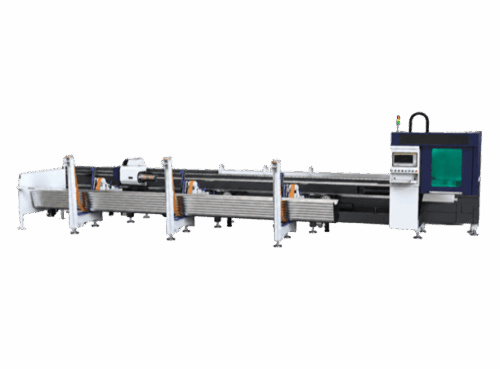
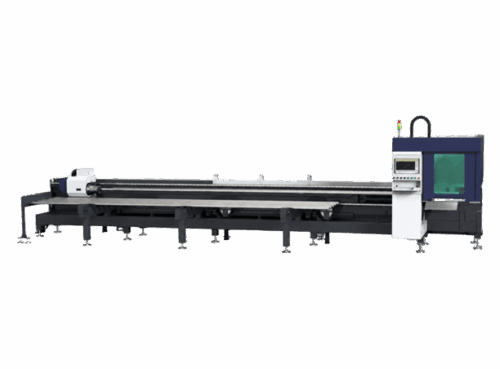
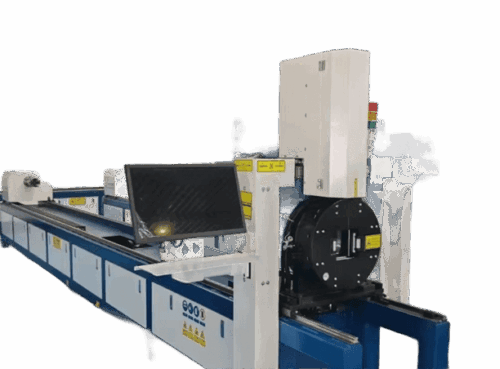
For companies that also process tubes, a laser tube cutting machine can work together with sheet cutting equipment to build a more complete metal processing line.
Before buying a sheet metal CNC laser cutting machine, buyers should define their real production needs. First, check the main material type and sheet thickness range. Next, confirm the required working area, cutting speed, and accuracy level.
Laser power should match the material and thickness. For example, thin stainless steel and carbon steel sheets may not need the same power as thicker industrial plates. However, if the factory plans to expand production, a higher power option may provide more flexibility.
In addition, buyers should review the machine structure. A stable bed, quality guide rails, reliable transmission parts, and an accurate cutting head can improve long-term cutting performance.
Dust extraction is also important. During metal sheet cutting, smoke and dust are produced. Therefore, a good extraction design can improve the working environment and help keep the machine cleaner. For laser equipment safety, buyers can also refer to OSHA laser hazards guidance when planning workshop protection, operator training, and safety procedures.
Finally, buyers should request sample cutting before purchase. Real samples can show edge quality, cutting speed, hole accuracy, and machine stability more clearly than only checking specifications.
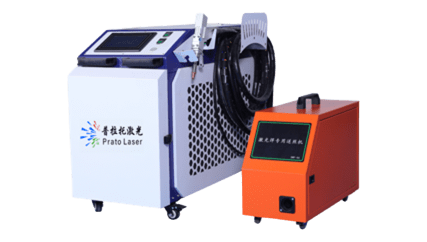
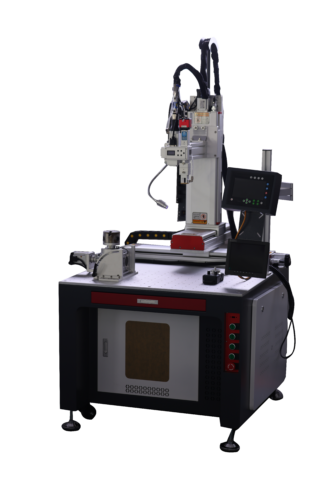
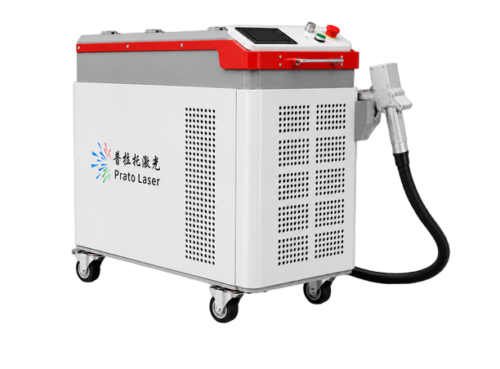
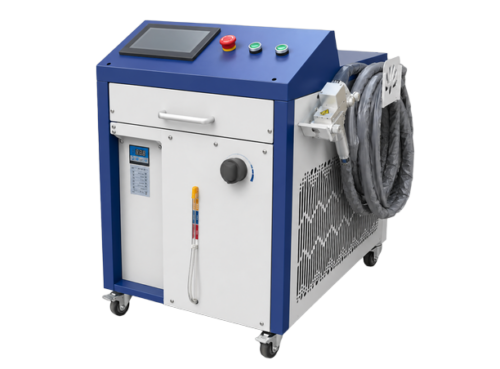
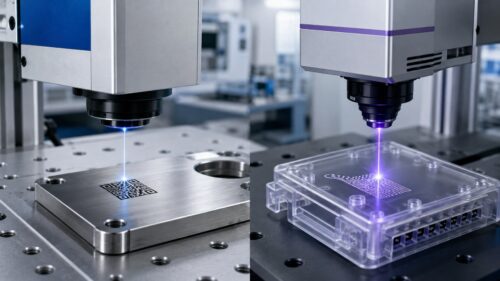
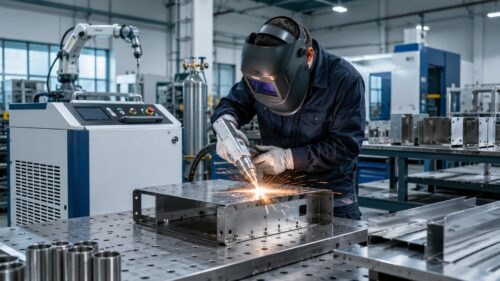
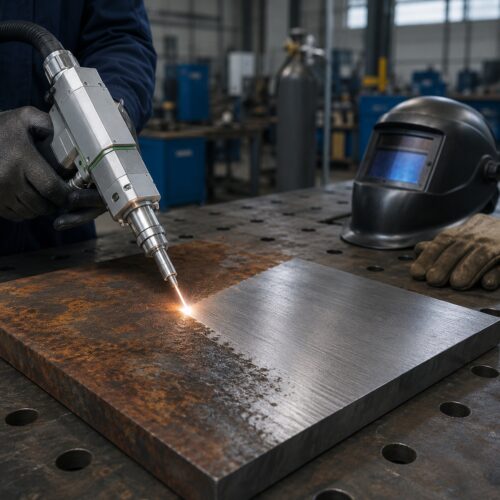
Prato Laser provides industrial laser cutting solutions for metal sheet processing, tube cutting, welding, cleaning, and marking. For sheet metal cutting, Prato Laser offers fiber laser cutting machines for different production needs, worktable sizes, and power options.
The machine can be used for carbon steel, stainless steel, aluminum alloy, galvanized sheet, brass, and other metal sheets. Also, it is suitable for sheet metal fabrication, elevator manufacturing, kitchen equipment, electrical cabinets, machinery parts, and hardware production.
Prato Laser focuses on practical factory needs. Therefore, buyers can discuss material type, sheet thickness, working size, cutting accuracy, automation needs, and budget before choosing a model.
For production lines that need higher speed and efficiency, buyers can also review the high-speed laser cutting machine. In addition, Prato Laser can support sample testing and machine selection based on actual cutting requirements.
If you are planning a new metal sheet cutting project, you can contact Prato Laser to discuss your materials, drawings, and production goals.
Before choosing a machine, buyers should prepare a clear checklist. This can help reduce wrong model selection and unnecessary cost.
Important points include:
In addition, buyers should not choose a machine only by price. A lower initial cost may not be the best choice if the machine is unstable, slow, or difficult to maintain. Therefore, machine structure, cutting quality, service support, and long-term reliability should also be considered. In addition, buyers can use ISO 9001 quality management as a reference when evaluating supplier quality control, production consistency, and long-term service capability.
A sheet metal CNC laser cutting machine can help manufacturers improve cutting speed, accuracy, edge quality, and production flexibility. Compared with traditional sheet metal cutters, it provides better support for complex shapes, repeat orders, and mixed production.
For metal fabrication shops, the right machine can reduce manual work, improve material utilization, and shorten delivery time. As a result, it becomes more than a cutting tool. It becomes an important part of modern metal processing.
When selecting a machine, buyers should compare material type, sheet thickness, power, working size, machine structure, and support service. Finally, sample testing with real drawings and materials is the best way to confirm whether the machine fits production needs.
A sheet metal CNC laser cutting machine is a computer-controlled machine that uses a laser beam to cut flat metal sheets. It is used for carbon steel, stainless steel, aluminum, galvanized sheet, and other metal materials.
A sheet metal laser cutter can cut carbon steel, stainless steel, aluminum sheet, galvanized sheet, brass, titanium alloy, and other metal sheets. However, cutting ability depends on laser power, sheet thickness, and material type.
For complex shapes, holes, curves, and high-accuracy parts, laser cutting is usually more flexible than a traditional sheet metal cutter. It can also reduce secondary finishing in many applications.
The suitable laser power depends on material type, sheet thickness, cutting speed requirements, and edge quality expectations. Therefore, buyers should provide actual materials and drawings before choosing a power level.
Yes, a fiber laser cutting machine can cut aluminum sheet. However, aluminum is reflective, so the machine configuration and cutting parameters should be selected carefully.
Common industries include sheet metal fabrication, electrical cabinets, elevator manufacturing, kitchen equipment, automotive parts, machinery manufacturing, advertising metal signs, and hardware products.
You should compare material type, sheet thickness, working area, cutting accuracy, laser power, machine structure, dust extraction, spare parts, and after-sales support. Also, sample cutting is recommended before purchase.

English