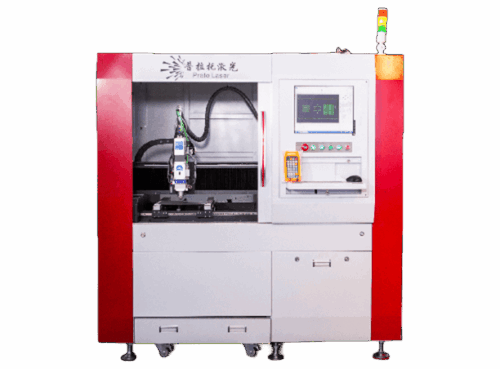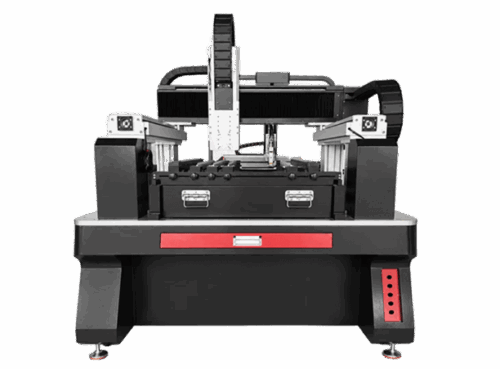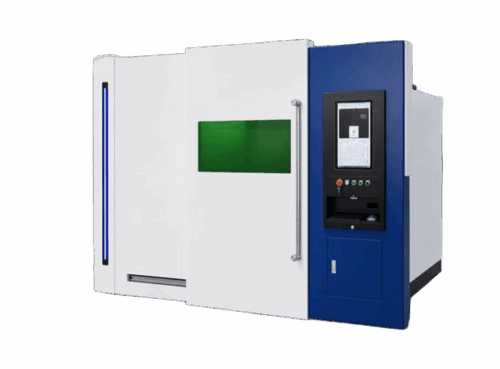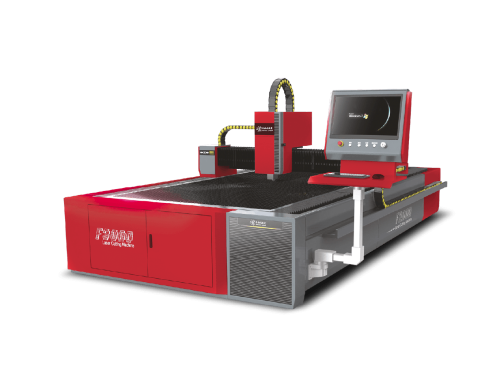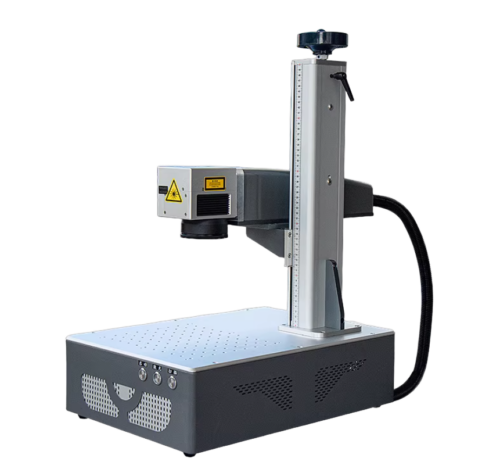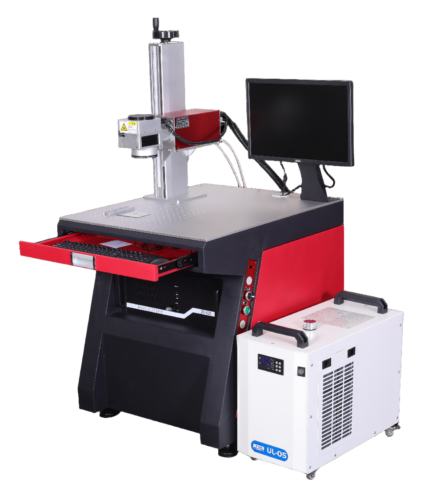


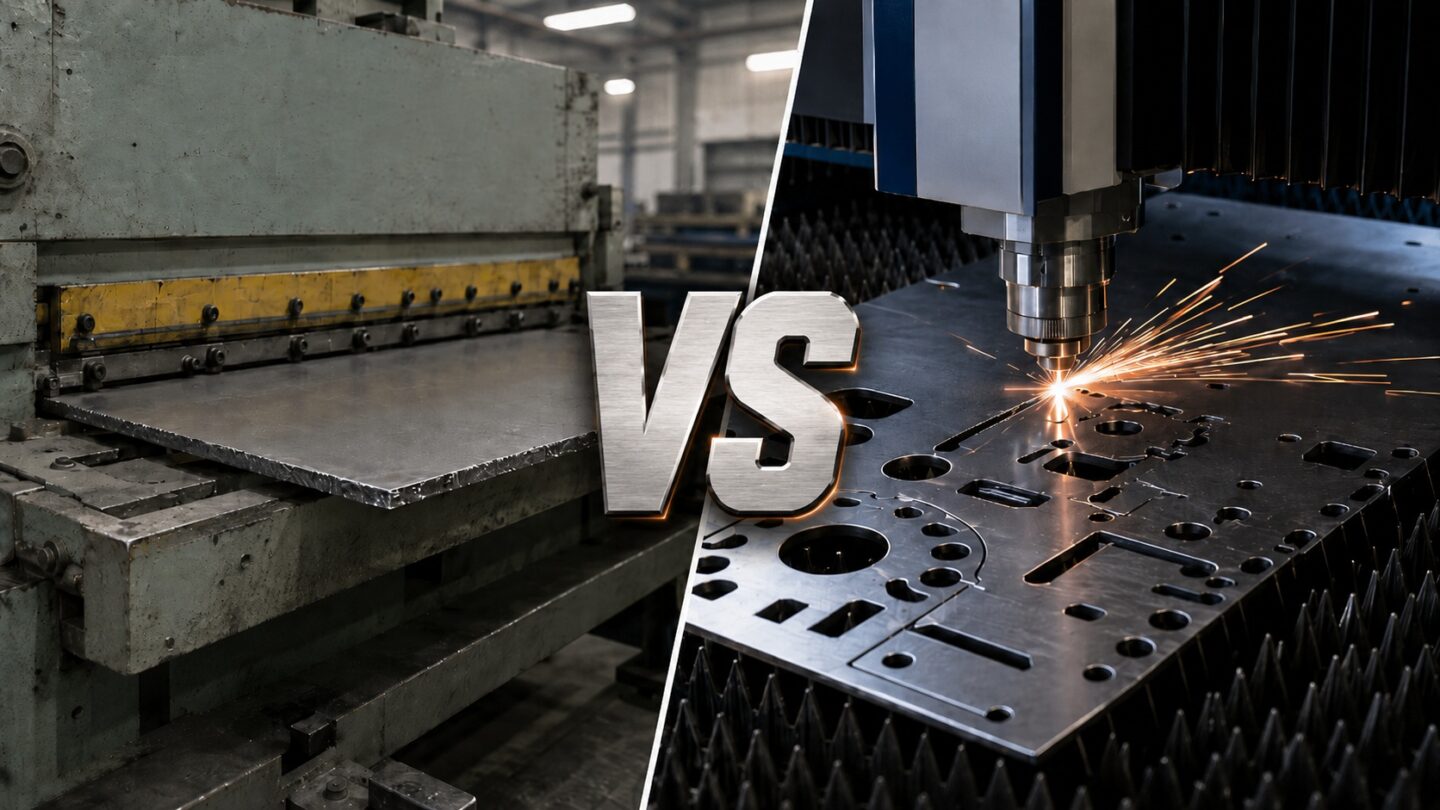
A sheet metal laser cutter is becoming a common choice for metal fabrication shops that need faster cutting, cleaner edges, and better flexibility. It can process flat metal sheets through a focused laser beam and CNC control, which makes it suitable for both simple parts and complex shapes.
Traditional sheet metal cutters are still useful in many workshops. However, they often have limits when the part design includes holes, curves, small details, or frequent order changes. As a result, many manufacturers are comparing laser cutting with mechanical cutting before investing in new equipment.
This article explains the main differences between a sheet metal laser cutter and a traditional sheet metal cutter. It also shows when laser cutting is the better choice for modern metal fabrication.
A sheet metal laser cutter is a machine that uses a laser beam to cut flat metal sheets. In most industrial applications, a fiber laser cutting machine is used because it offers high cutting speed, good energy efficiency, and stable performance for metal materials.
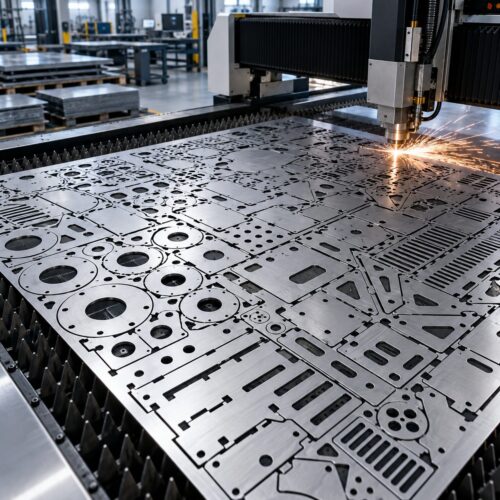
The machine follows a programmed cutting path from CAD drawings. Therefore, it can cut straight lines, curves, holes, slots, and irregular contours without physical tooling. This makes it suitable for customized parts, batch production, and mixed-order manufacturing.
A laser cutter for metal sheets is widely used for carbon steel, stainless steel, aluminum sheet, galvanized sheet, brass, and other metal materials. For factories that need stable sheet cutting performance, a fiber laser cutting machine can be a practical production upgrade.
A traditional sheet metal cutter can refer to several different cutting methods. Common options include shearing machines, manual cutting tools, mechanical cutting machines, punching machines, and plasma cutting systems.
These methods can be useful for simple production tasks. For example, a shearing machine is efficient for straight-line cutting. A manual cutter may also be enough for small repair jobs or low-volume work.
However, traditional cutters are less flexible when the part requires detailed shapes. In addition, some methods may create rough edges, wider cutting gaps, more deformation, or extra finishing work. Therefore, the right choice depends on the part design, material, thickness, accuracy requirement, and production volume.
Cutting speed depends on the material, sheet thickness, machine power, and part design. For simple straight cuts, a traditional sheet metal cutter can still be fast. However, laser cutting becomes more efficient when the part includes many shapes, holes, or repeated details.
A sheet metal laser cutter can follow a digital cutting path without changing physical tools. Also, it can process multiple part shapes on one sheet through nesting software. As a result, factories can reduce setup time and improve material utilization.
For high-volume metal fabrication, cutting efficiency is not only about machine speed. It also includes programming time, material handling, rework, and downstream finishing. In many cases, laser cutting helps reduce the total production time.
For factories that require higher productivity, a high-speed laser cutting machine may be suitable for faster sheet metal processing.
Accuracy is one of the biggest differences between laser cutting and many traditional cutting methods. A sheet metal laser cutter can produce narrow kerfs, clean contours, and more consistent dimensions.
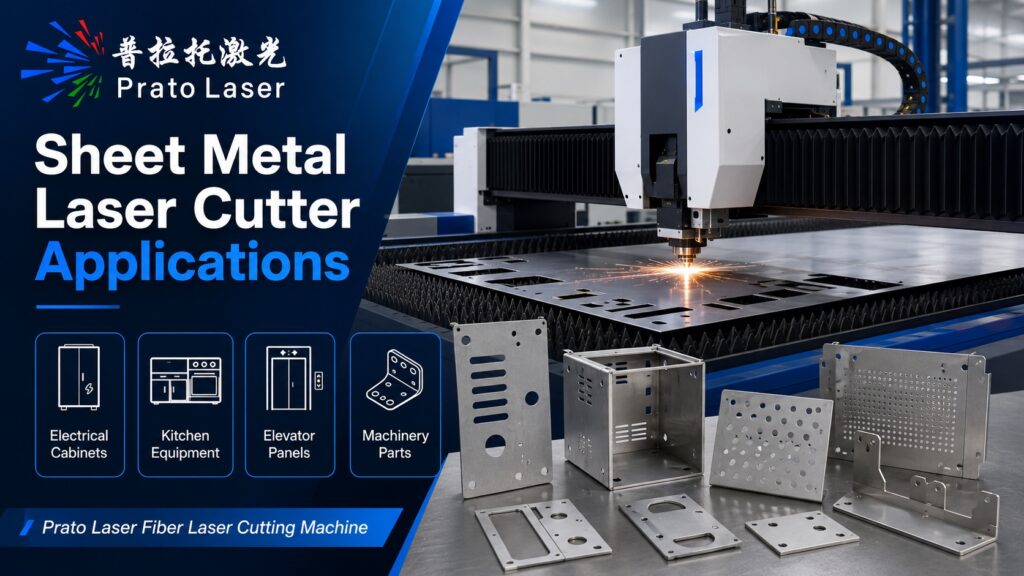
For example, electrical cabinet parts often need accurate holes and slots. Elevator panels may require smooth edges and stable dimensions. Meanwhile, kitchen equipment manufacturers often need clean stainless steel cutting with less visible edge damage.
Traditional cutters may work well for simple shapes. However, when the part design becomes more complex, laser cutting usually provides better repeatability. In addition, a cleaner cut edge can reduce grinding, trimming, and secondary finishing.
This is important for workshops that want to improve assembly quality. When parts are cut more accurately, welding, bending, and installation can become easier.
A sheet metal laser cutter can process many types of metal sheets. Common materials include:
However, the cutting result depends on laser power, sheet thickness, assist gas, and cutting parameters. Therefore, buyers should not choose a machine only by material name. They should provide actual sheet thickness, drawings, and cutting requirements before selection.
In contrast, traditional sheet metal cutters may have more limits. For example, some cutting tools are better for straight cuts but not for complex holes or detailed contours. Plasma cutting may handle thicker materials, but the edge quality may require more finishing.
A traditional sheet metal cutter is not always the wrong choice. In some production environments, it can still be practical.
For simple straight-line cutting, a shearing machine can be fast and cost-effective. For low-budget workshops, a traditional cutter may also be easier to purchase at the beginning. In addition, some repair jobs or rough cutting tasks may not require laser-level accuracy.
Therefore, buyers should look at the real production process. If the work mainly involves simple cuts, low precision, and limited part variation, a traditional cutter may still meet the need.
However, when a factory starts receiving more complex orders, the limits become clearer. At that point, laser cutting can offer better flexibility and long-term production value.
A sheet metal laser cutter is usually the better choice when the factory needs complex shapes, clean edges, fast order changeover, and stable cutting accuracy.
It is especially useful for:
In these applications, parts often require holes, slots, curves, and repeated dimensions. Therefore, CNC laser cutting can help improve both cutting quality and production consistency.
Also, laser cutting is useful for small-batch and customized orders. Instead of making new tools for every design change, the operator can update the drawing and cutting program. This gives manufacturers more flexibility when customer requirements change.
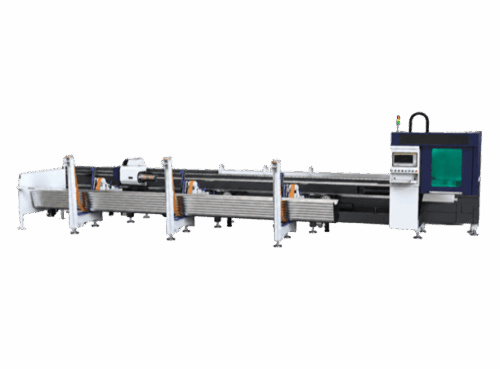
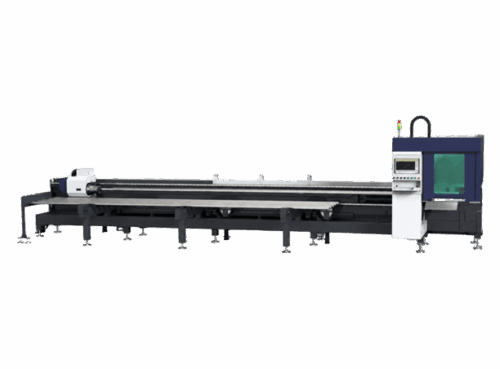
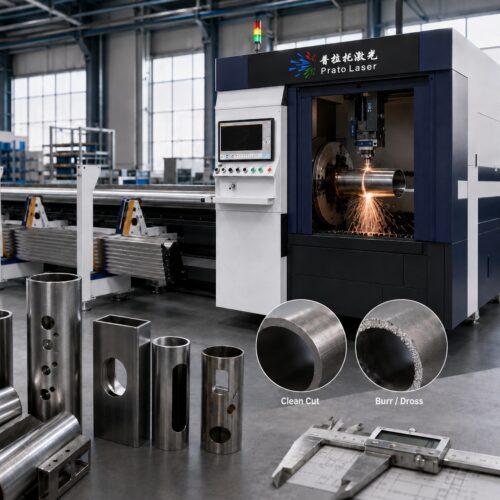
For factories that also process round, square, or rectangular tubes, a laser tube cutting machine can work together with sheet cutting equipment to build a more complete metal processing line.
Before buying a laser cutter for metal sheets, buyers should define the main production needs. First, check the material type and maximum sheet thickness. Next, confirm the required cutting speed, worktable size, and accuracy level.
Laser power is also important. A machine for thin stainless steel sheet may not need the same power as a machine for thick carbon steel plate. However, if the factory plans to expand production, a higher power option may provide more flexibility.
In addition, the machine structure should be reviewed carefully. A stable bed, accurate transmission system, reliable cutting head, and good CNC control system can support long-term cutting performance.
Dust extraction should not be ignored. Metal laser cutting produces smoke, dust, and fumes. Therefore, a good workshop layout and extraction system can improve the production environment.
For safety planning, buyers can also refer to OSHA laser hazards guidance when reviewing operator protection, laser safety, and workshop procedures.
Laser power affects cutting thickness, speed, and processing efficiency. However, higher power is not always the only answer. Buyers should consider the full production process before selecting a machine.
For example, a workshop cutting thin stainless steel panels may focus on speed, edge quality, and surface protection. In contrast, a heavy machinery manufacturer may care more about cutting thicker carbon steel plates.
Production volume also matters. If the machine runs many hours each day, stability, maintenance, and spare parts support become more important. Also, automated loading, exchange platforms, and nesting software may improve efficiency for batch production.
For more industry discussion about laser cutting power selection, buyers can read this laser cutting resource from The Fabricator.
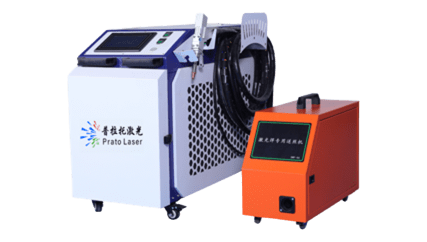
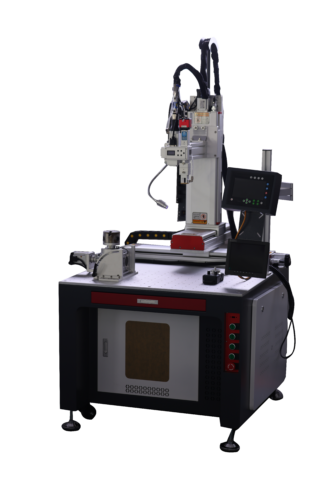
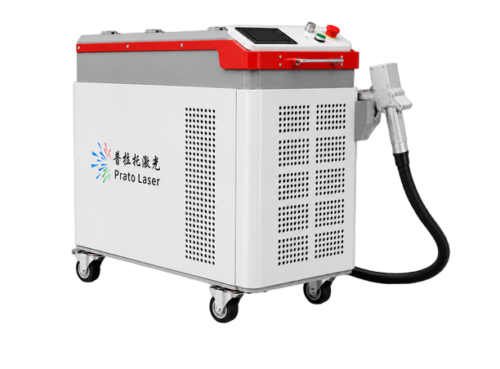
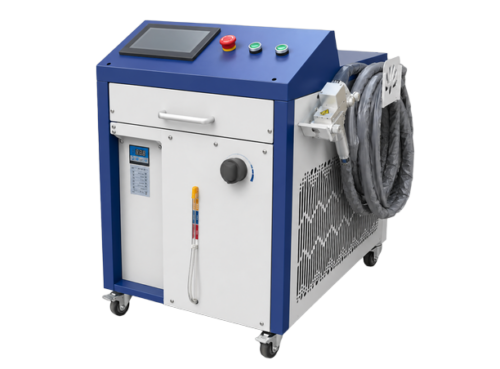
Prato Laser provides industrial laser solutions for metal sheet cutting, tube cutting, welding, cleaning, and marking. For sheet metal cutting, Prato Laser offers fiber laser cutting machine options for different work sizes, power levels, and production needs.
The equipment can support common metal fabrication materials such as carbon steel, stainless steel, aluminum alloy, galvanized sheet, brass, and other metal sheets. Therefore, it can be used in sheet metal workshops, elevator manufacturing, kitchen equipment production, machinery manufacturing, electrical cabinet production, and hardware processing.
Prato Laser focuses on practical machine selection. Buyers can discuss material type, sheet thickness, working size, cutting accuracy, automation needs, and budget before choosing a model.
In addition, sample cutting is recommended before purchase. Real samples can show cutting speed, edge quality, hole accuracy, and machine stability more clearly than only checking specifications.
For a new sheet metal cutting project, buyers can contact Prato Laser to discuss drawings, materials, sample testing, and machine configuration.
Before choosing between a sheet metal laser cutter and a traditional sheet metal cutter, buyers should prepare a clear checklist.
Important questions include:
In addition, buyers should compare total production cost instead of only machine price. A traditional cutter may cost less at the beginning. However, extra finishing, slower changeover, material waste, and rework can increase long-term cost.
Therefore, the best choice should match both current orders and future production plans.
A traditional sheet metal cutter can still be useful for simple straight cuts and low-complexity work. However, a sheet metal laser cutter offers stronger advantages in cutting flexibility, accuracy, edge quality, and digital production.
For modern metal fabrication shops, laser cutting can reduce manual work, support complex designs, and improve production consistency. As a result, it is a better choice for many factories that process custom metal parts, electrical cabinets, elevator panels, kitchen equipment, machinery covers, and industrial components.
Before making a purchase, buyers should compare material type, sheet thickness, cutting accuracy, power level, machine structure, and after-sales support. Finally, sample cutting with real drawings is the most reliable way to confirm whether the machine fits production needs.
A sheet metal laser cutter is a machine that uses a laser beam and CNC control to cut flat metal sheets. It is commonly used for carbon steel, stainless steel, aluminum sheet, galvanized sheet, and other metal materials.
A sheet metal laser cutter is usually better for complex shapes, holes, clean edges, and high-accuracy parts. However, a traditional sheet metal cutter may still be useful for simple straight cuts and low-cost cutting tasks.
A sheet metal laser cutter can cut carbon steel, stainless steel, aluminum sheet, galvanized sheet, brass, copper, titanium alloy, and other metal sheets. The final cutting ability depends on laser power, sheet thickness, and cutting parameters.
Laser cutting uses a focused laser beam to cut programmed shapes. Shearing uses mechanical force to cut straight lines. Therefore, laser cutting is more flexible for holes, curves, and complex contours.
Yes, a fiber laser cutter is widely used for stainless steel sheet cutting. It can provide clean edges, good speed, and stable cutting quality when the machine power and parameters are selected properly.
You should compare material type, sheet thickness, worktable size, cutting accuracy, laser power, edge quality, dust extraction, spare parts, and after-sales support. Also, sample cutting is strongly recommended before purchase.
Yes, in many applications, laser cutting can reduce burrs and improve edge quality. As a result, parts may need less grinding, trimming, or secondary finishing before welding and assembly.

English