

In the laser industry, buyers often see machine descriptions such as 3-axis, 4-axis, or 5-axis. These terms sound technical, but they are very important when choosing a laser cutting machine, laser tube cutting machine, laser welding system, or laser marking solution.
The number of axes shows how many directions or movements the machine can control during processing. A simple flat-sheet cutting job may only need 3-axis control. However, tube bevel cutting, curved surface processing, and complex 3D parts may require 4-axis or 5 Axis Laser Cutting.
This guide explains the difference between 3-axis, 4-axis, and 5-axis laser systems in a practical way.
In laser equipment, an axis refers to a controlled movement direction. The machine uses motors, guide rails, rotary devices, chucks, or cutting heads to move the laser beam or the workpiece.
A basic CNC laser machine usually controls three linear axes:
When the machine adds rotation or angle control, it can become a 4-axis or 5-axis laser system.
For buyers, the key question is simple: does the part only need flat cutting, or does it need cutting from different angles?
A 3-axis laser cutting machine controls X, Y, and Z movement. It is the most common structure for flat sheet metal cutting.
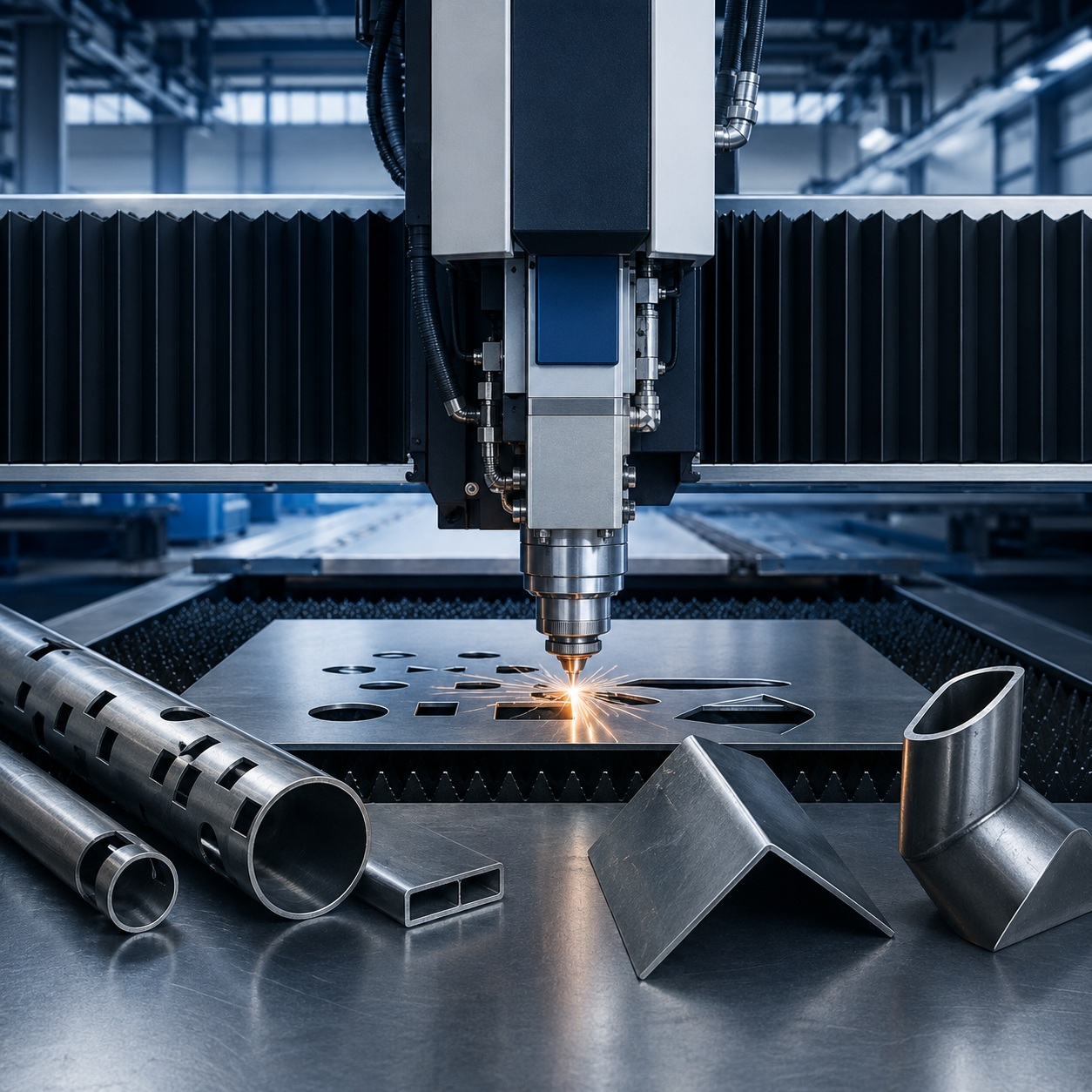
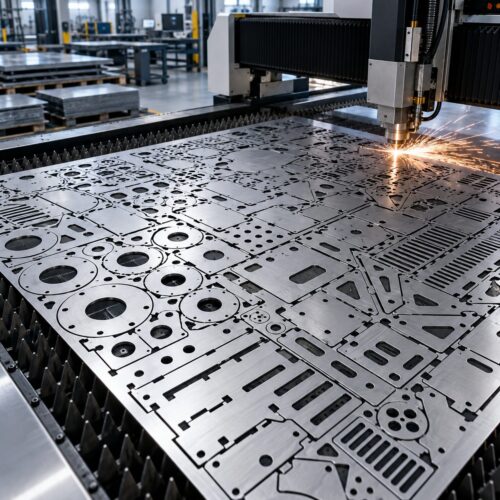
The laser head moves across the sheet surface, while the Z-axis controls focus height. This allows the machine to cut straight lines, curves, holes, slots, and complex 2D shapes on flat metal plates.
A standard fiber laser cutting machine is usually based on 3-axis motion. It is widely used for carbon steel, stainless steel, aluminum, galvanized steel, and other sheet metal materials.
3-axis laser systems are suitable for many flat material applications, including:
For these products, the cutting path mainly stays on one flat plane. Therefore, 3-axis control can usually meet production needs.
The main advantage of 3-axis laser cutting is simplicity. The machine structure is mature, easy to operate, and suitable for many factories.
It also offers good cutting speed and stable accuracy for flat sheets. For workshops that mainly cut stainless steel plates, carbon steel plates, or aluminum sheets, a 3-axis laser cutting machine is often the most cost-effective choice.
In addition, operators can learn the cutting process more quickly because the machine movement is easier to understand.
A 3-axis laser machine works well for flat parts, but it has limitations when the workpiece becomes more complex.
For example, if the factory needs to cut bevel edges, holes on tube walls, angled slots, or 3D curved surfaces, 3-axis movement may not be enough.
In these cases, buyers need to consider 4-axis or 5-axis laser systems.
A 4-axis laser system adds one rotary axis to the basic X, Y, and Z movement. This rotary axis allows the workpiece or chuck to rotate during cutting.
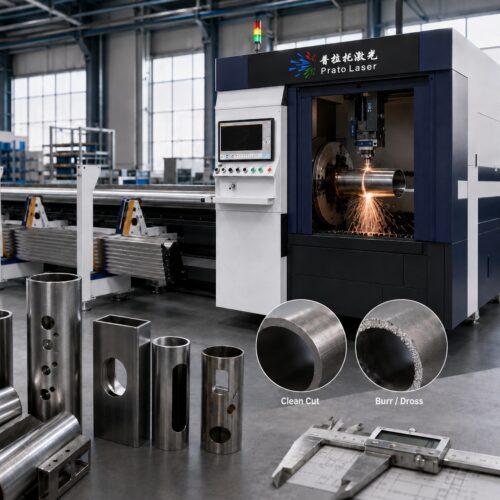
In the laser industry, 4-axis control is common in tube cutting applications. The machine can rotate round tubes, square tubes, rectangular tubes, or shaped profiles while the cutting head follows the programmed cutting path.
A laser tube cutting machine usually uses this type of rotary movement to process different tube shapes.
4-axis laser cutting is useful when the workpiece is not a flat sheet but a tube or profile.
Common applications include:
Compared with manual drilling, sawing, and punching, 4-axis laser tube cutting can improve hole position accuracy and reduce secondary processing.
Tube parts are different from flat sheets. A tube has a curved or multi-sided surface, so the machine must control both linear movement and rotation.
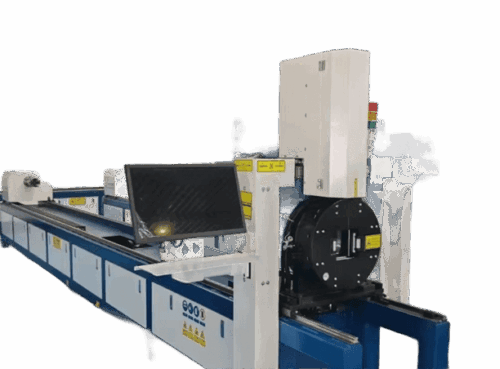
With 4-axis control, the chuck rotates the tube while the laser head cuts along the required path. This makes it possible to cut holes, notches, slots, and end profiles more accurately.
For factories that process tube frames, racks, furniture, fitness equipment, or automotive parts, 4-axis laser cutting can improve production consistency.
5 Axis Laser Cutting adds more movement control than 3-axis and 4-axis systems. In many industrial applications, the fifth axis allows the cutting head to tilt, swing, or cut at different angles.
This is useful when the part requires bevel cutting, angled cutting, curved surface processing, or complex 3D shapes.
In tube cutting, 5-axis systems are often used for bevel cutting. Instead of cutting only a straight vertical edge, the laser head can cut an angled edge in one process. This helps prepare parts for welding, assembly, and structural fitting.
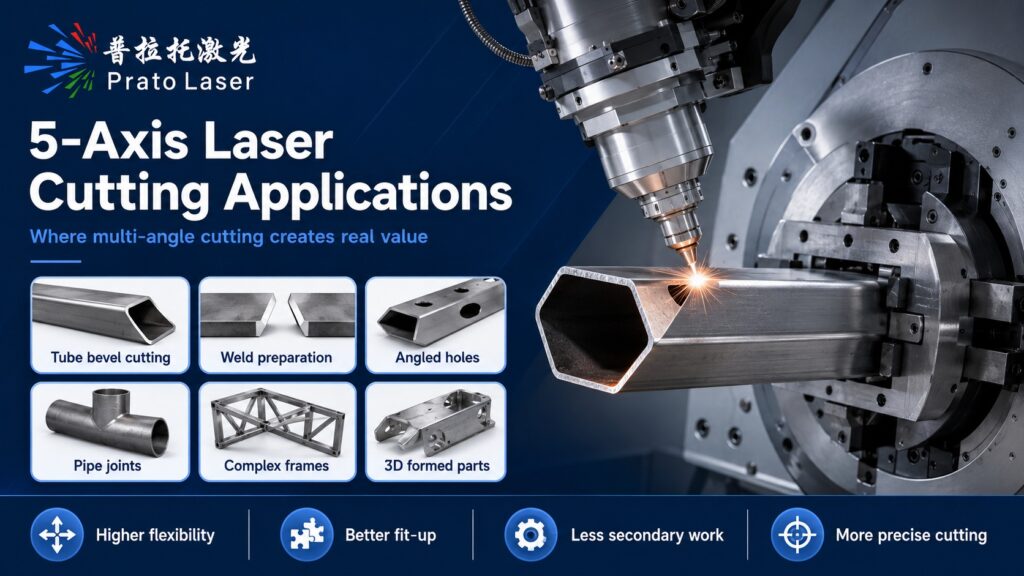
5 Axis Laser Cutting is suitable for applications that need higher flexibility and more complex cutting geometry.
Common applications include:
For example, a tube part may need a 45-degree bevel before welding. A 5-axis laser tube cutting machine can create this bevel directly, reducing the need for manual grinding or secondary machining.
The difference between these systems is not only the number of axes. It is also the type of work they can handle.
| Laser System | Main Movement | Best For | Typical Materials |
|---|---|---|---|
| 3-axis laser cutting | X, Y, Z linear movement | Flat sheet cutting | Carbon steel, stainless steel, aluminum, galvanized steel |
| 4-axis laser cutting | X, Y, Z + rotary movement | Tube and profile cutting | Round tube, square tube, rectangular tube, shaped profiles |
| 5-axis laser cutting | Linear movement + rotation or angle control | Bevels, 3D parts, complex cutting | Tubes, profiles, curved parts, formed metal parts |
A 3-axis machine is usually enough for flat sheet production. A 4-axis system is better for standard tube cutting. A 5-axis system is more suitable when the factory needs bevel cutting or complex angled processing.
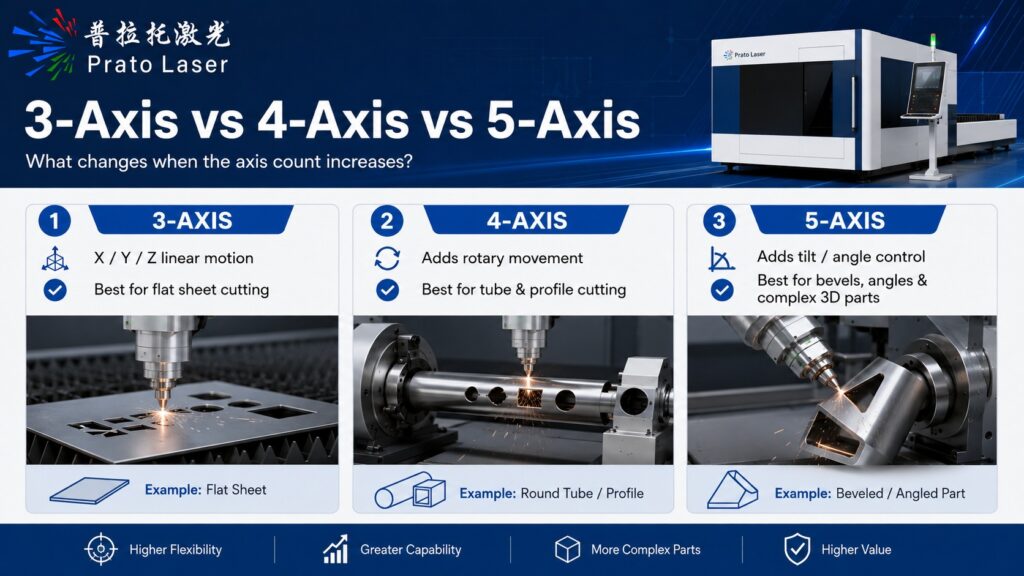
The right choice depends on the product shape and cutting requirement.
If the factory mainly cuts flat metal sheets, a 3-axis fiber laser cutting machine is usually practical. It can handle most sheet metal fabrication jobs with good speed and accuracy.
If the factory cuts tubes or profiles, a 4-axis laser tube cutting machine is more suitable. It can rotate the tube and complete holes, slots, and contour cutting on different sides.
If the factory needs bevel cutting, welding preparation, angled holes, or complex 3D cutting, 5 Axis Laser Cutting should be evaluated.
Buyers can also read this comparison between tube cutting machine and sheet cutter before choosing the machine structure.
In general, more axes mean higher machine complexity. A 3-axis laser cutting machine usually has a simpler structure and lower investment cost.
A 4-axis tube laser cutter needs a chuck system, rotary control, and tube support structure. Therefore, it costs more than a standard sheet cutting machine.
A 5-axis laser system requires more advanced motion control, cutting head movement, software support, and calibration accuracy. As a result, it usually has a higher price.
However, buyers should not judge only by machine price. If 5-axis cutting reduces manual beveling, improves welding fit-up, and saves labor, it may create better long-term value.
As the number of axes increases, programming becomes more important.
A 3-axis laser machine mainly processes 2D drawings. Operators usually import flat cutting files and set cutting parameters.
A 4-axis tube laser machine needs tube cutting software. The system must understand tube shape, chuck rotation, hole position, and cutting path.
A 5-axis system requires even more accurate programming and motion coordination. The cutting head angle, bevel direction, focus position, and collision avoidance all need careful control.
Therefore, buyers should also check software usability, operator training, and supplier technical support.
Laser cutting machines require proper safety planning, especially when the machine uses high-power fiber lasers or complex multi-axis movement.
Factories should consider machine enclosure, fume extraction, operator training, protective measures, and regular maintenance. For general laser safety reference, buyers can review OSHA’s laser hazards overview.
For 4-axis and 5-axis tube cutting, operators should also pay attention to chuck clamping, tube support, rotation stability, and collision prevention.
Prato Laser provides industrial laser solutions for sheet cutting, tube cutting, welding, cleaning, and marking. For buyers who need flat sheet processing, Prato Laser can recommend suitable fiber laser cutting machines based on material type, sheet thickness, worktable size, and production volume.
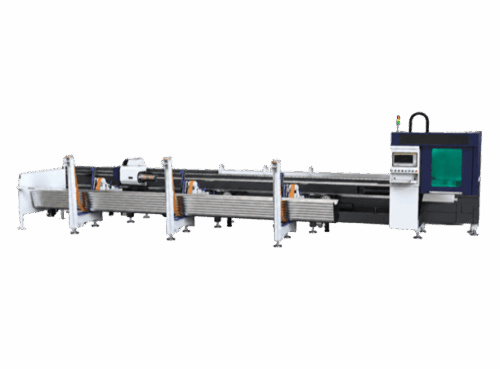
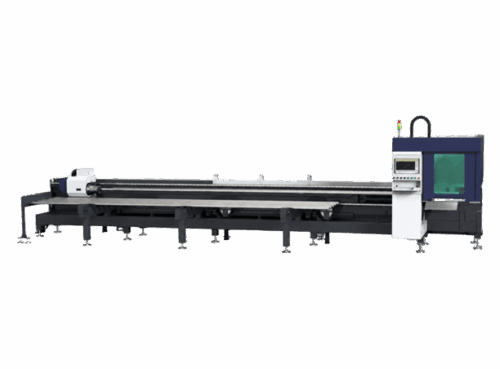
For tube processing, Prato Laser offers laser tube cutting solutions for round, square, rectangular, and shaped tubes. A fully automatic laser tube cutting machine can support efficient tube loading, clamping, and cutting for industrial production.
For buyers who need bevel cutting or more complex tube processing, Prato Laser can help evaluate whether 5 Axis Laser Cutting is necessary based on tube size, wall thickness, cutting angle, welding requirement, and production batch.
3-axis, 4-axis, and 5-axis laser systems are designed for different production needs.
A 3-axis laser cutting machine is suitable for flat sheet cutting. A 4-axis laser system adds rotation and is widely used for tube and profile cutting. A 5-axis laser system provides more angle control and is useful for bevel cutting, 3D parts, and complex industrial components.
For buyers, the best choice is not always the machine with the most axes. The best choice is the machine that matches the real product shape, cutting requirement, production volume, and budget.
3-axis laser cutting controls X, Y, and Z movement. It is commonly used for flat sheet metal cutting, including carbon steel, stainless steel, aluminum, and galvanized steel sheets.
4-axis laser cutting adds rotary movement to the basic three-axis structure. It is often used for tube and profile cutting because the machine can rotate the workpiece during processing.
5 Axis Laser Cutting is used for bevel cutting, angled holes, curved surfaces, 3D parts, and complex metal components. It is especially useful when parts need better welding preparation or angled cutting edges.
Not always. A 5-axis machine can handle more complex parts, but a 3-axis machine is often more practical and cost-effective for flat sheet cutting. Buyers should choose based on real production needs.
If you only cut straight profiles, holes, and slots on tubes, a 4-axis tube laser cutter may be enough. If you need bevel cutting, angled edges, or complex pipe connections, 5 Axis Laser Cutting may be a better choice.

English